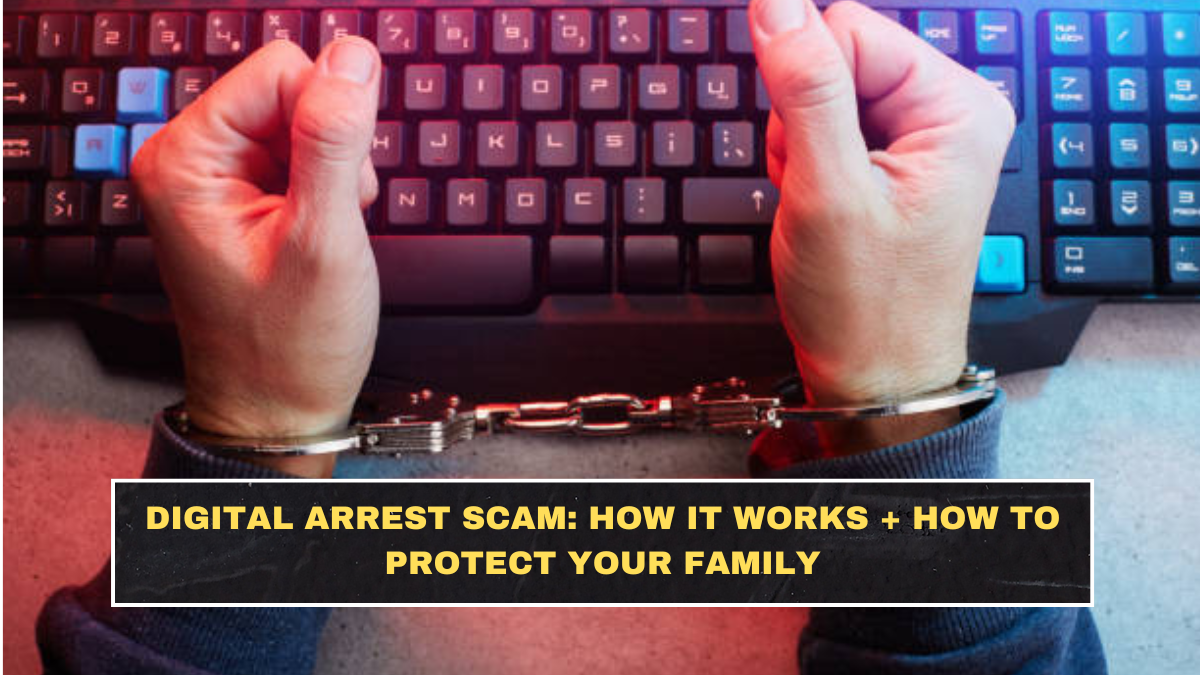
The Digital Arrest Scam is a growing form of cyber fraud where scammers impersonate police officers, government officials, or investigative agencies to intimidate victims into transferring money. In these scams, criminals often contact victims through video calls, phone calls, or messaging apps, falsely claiming that the victim is involved in a serious crime.
The scammers may threaten arrest, legal action, or account freezing unless the victim cooperates immediately. To increase fear and pressure, fraudsters often conduct fake video calls showing people dressed as police officers or displaying fabricated legal documents.
This scam relies heavily on panic and psychological pressure, making it important for individuals and families to understand how it works and how to avoid falling victim.
How the Digital Arrest Scam Typically Works
The fraud usually follows a structured pattern designed to scare victims into quick action.
| Scam Stage | What Happens |
|---|---|
| Initial contact | Victim receives a call claiming to be from police or investigation agency |
| False accusation | Scammer alleges involvement in money laundering or cybercrime |
| Video call intimidation | Victim is asked to join a video call with fake officers |
| Pressure tactics | Threats of arrest or legal consequences |
| Payment demand | Victim is told to transfer money to “verify innocence” |
Because victims are pressured to act immediately, they may not take time to verify the claims.
Common Warning Signs of the Scam
Recognizing red flags early can help prevent financial losses.
| Warning Sign | Explanation |
|---|---|
| Urgent demand for money | Authorities never demand immediate payment |
| Request for secrecy | Victims are told not to inform family members |
| Suspicious video calls | Fake uniforms or staged police backgrounds |
| Payment through digital wallets | Fraudsters prefer untraceable payment methods |
If any of these signs appear, the call is likely fraudulent.
Why Scammers Use Video Calls
Video calls are used to make the scam appear more convincing and official.
| Tactic | Purpose |
|---|---|
| Fake police uniforms | Create illusion of authority |
| Official-looking backgrounds | Mimic police offices |
| Multiple participants | Pretend to be different officials |
| Legal jargon | Confuse victims with complex language |
These methods are designed to create fear and urgency.
What Authorities Actually Do
Understanding how real law enforcement works can help people identify scams.
| Reality | Explanation |
|---|---|
| Police do not conduct arrests over video calls | Official procedures require physical verification |
| No demand for instant payments | Legal penalties follow official processes |
| Official summons issued in writing | Investigations follow formal legal channels |
Authorities do not threaten immediate arrest through messaging or video calls.
Steps to Protect Yourself and Your Family
Taking preventive measures can significantly reduce the risk of falling victim to such scams.
| Safety Step | Benefit |
|---|---|
| Verify caller identity | Prevent fraud from impersonators |
| Avoid sharing personal information | Protect financial data |
| Never transfer money under pressure | Scammers rely on urgency |
| Inform family members | Collective awareness reduces risk |
Discussing these scams openly within families helps ensure that vulnerable individuals recognize warning signs.
What to Do If You Receive Such a Call
If someone receives a suspicious call claiming legal action or arrest, they should take immediate precautions.
| Action | Reason |
|---|---|
| End the call immediately | Prevent further manipulation |
| Do not share financial information | Protect bank accounts |
| Report to cybercrime portal | Authorities can investigate |
| Inform family members | Prevent repeated targeting |
Quick reporting may help authorities stop similar scams from targeting others.
Reporting Digital Arrest Scams in India
Victims or individuals who receive suspicious calls can report the incident to cybercrime authorities.
| Reporting Method | Details |
|---|---|
| Cybercrime Helpline | Dial 1930 |
| National Cyber Crime Portal | Online complaint submission |
| Local police station | File official complaint |
Reporting fraud helps authorities identify scam networks and protect other potential victims.
Conclusion
The Digital Arrest Scam is a sophisticated fraud tactic that uses fear and impersonation to manipulate victims into transferring money. Understanding how the scam operates and recognizing the warning signs are crucial steps in preventing financial loss.
By staying informed, verifying suspicious claims, and reporting fraudulent calls, individuals can protect themselves and their families from such cybercrime threats.
FAQs
What is a digital arrest scam?
It is a fraud where scammers pretend to be police or government officials and threaten victims with arrest to force them into transferring money.
Do police conduct arrests through video calls?
No. Legitimate law enforcement agencies do not arrest individuals through video calls or messaging platforms.
What should I do if I receive such a call?
You should disconnect the call immediately and report the incident to the cybercrime helpline or portal.
How can I report cyber fraud in India?
You can report cybercrime by calling 1930 or filing a complaint on the National Cyber Crime Reporting Portal.
Why do scammers create fake police video calls?
Fraudsters use staged video calls to create fear and make the scam appear more convincing.
Click here to know more.