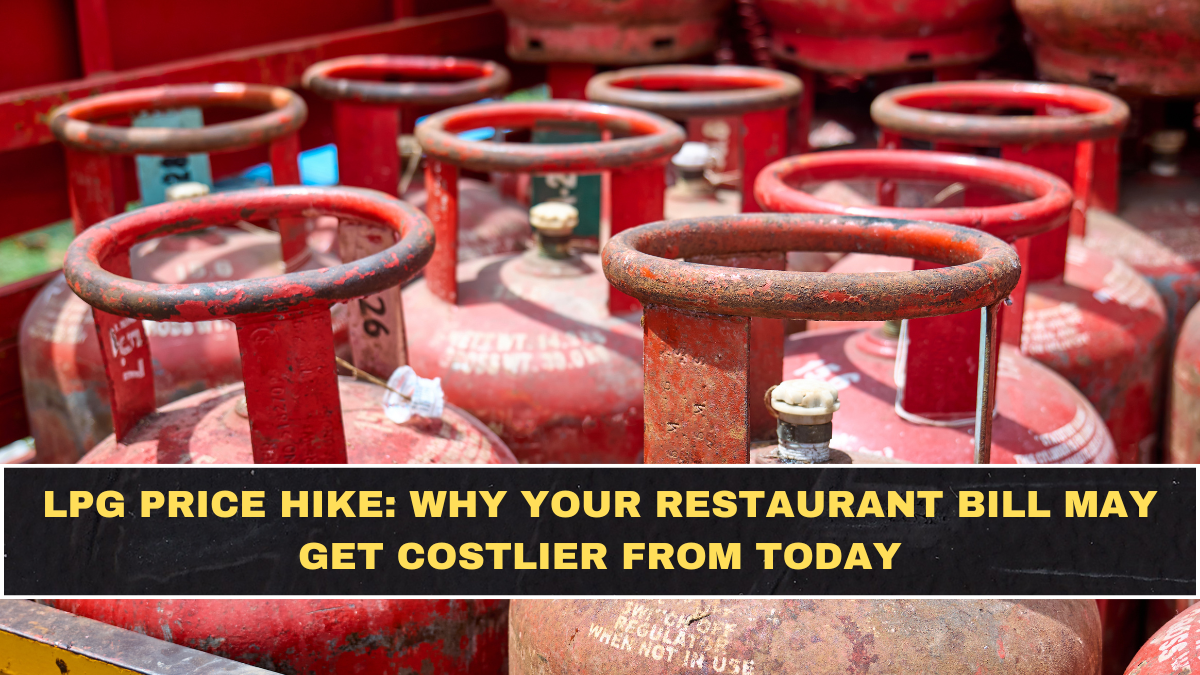
Commercial LPG prices have jumped sharply from May 1, 2026, and this is not just a routine fuel update. Indian Oil increased the price of a 19 kg commercial LPG cylinder by ₹993, taking the Delhi rate to ₹3,071.50. Household LPG prices were kept unchanged, but businesses using commercial cylinders have been hit immediately.
This matters because restaurants, dhabas, cloud kitchens, hotels, bakeries, tea stalls and catering services depend heavily on commercial LPG. For them, gas is not optional; it is a daily operating cost. When that cost rises suddenly, businesses either absorb the loss or pass it on to customers through higher food prices.
What Exactly Changed From May 1, 2026?
The biggest change is in the 19 kg commercial LPG cylinder, which is mostly used by businesses. Reuters reported that the commercial cylinder price increased by ₹993, while domestic household LPG used for cooking stayed unchanged. The hike has been linked to a sharp rise in global oil prices and geopolitical tension affecting energy markets.
The Economic Times also reported that the new Delhi rate for a commercial LPG cylinder is ₹3,071.50, while the domestic 14.2 kg LPG cylinder remains at ₹913 in Delhi. That means normal households may not feel the direct gas bill shock today, but commercial users will face the pressure immediately.
| Category | Previous Rate / Status | New Rate / Status | Main Impact |
|---|---|---|---|
| 19 kg commercial LPG cylinder | ₹2,078.50 in Delhi | ₹3,071.50 in Delhi | Restaurants and businesses hit directly |
| Price increase | — | ₹993 per cylinder | Sharp rise in operating cost |
| Domestic 14.2 kg LPG cylinder | Unchanged | ₹913 in Delhi | Households safe for now |
| Businesses affected | Food and hospitality | Immediate cost pressure | Menu prices may rise |
| Customers affected | Indirectly | Possible higher food bills | Eating out may get costlier |
Why Could Your Restaurant Bill Become More Expensive?
Restaurants do not calculate menu prices only from vegetables, flour, oil, meat or spices. Their final cost also includes rent, staff wages, electricity, delivery packaging, platform commission and cooking fuel. LPG is one of the most important costs because it is used throughout the day for frying, boiling, baking, reheating and preparing bulk food.
A small restaurant using 20 commercial cylinders a month could now pay nearly ₹19,860 extra every month because of the ₹993 hike. For a cloud kitchen, sweet shop or busy dhaba, the number can become even bigger. This is why businesses may slowly increase prices on thalis, snacks, tea, biryani, bakery items and delivery combos.
Who Will Feel The Price Pressure First?
Small food businesses are likely to feel the hit before premium restaurants. Street food sellers, tea stalls, small dhabas, tiffin services and local eateries usually run on thin profit margins. They also serve customers who are very price-sensitive, so even a small change in cost becomes difficult to manage.
Bigger restaurants may delay price hikes because they have stronger margins or better cost planning. But smaller outlets may respond faster by increasing menu prices, reducing portions, cutting discounts or charging extra for packaging. Customers may not notice everything at once, but the effect can slowly show up in everyday food spending.
Why Are Households Safe But Still Not Fully Protected?
Domestic LPG prices have not been increased in this May 1 update, so household users are not directly paying more for their 14.2 kg cylinder. That is the only good news for regular families right now. However, this does not mean consumers are fully protected from the LPG shock.
The indirect impact can still reach households through restaurant bills, food delivery prices, snacks, sweets, bakery products and catering services. Many people eat outside, order online or depend on local food vendors during workdays. So even when the home cylinder price stays the same, the cost of eating outside can still rise.
Is This Fuel Inflation Or Food Inflation?
This is fuel inflation first, but it can easily become food inflation. When LPG becomes expensive for businesses, cooking and production costs increase. If that pressure continues, restaurants and vendors eventually raise prices to protect their margins.
That is the uncomfortable part many customers miss. A restaurant may look like it is simply “charging more,” but the real reason could be higher input cost. Fuel, food ingredients, wages, rent and electricity all work together. When one major cost jumps sharply, the final bill usually follows.
What Should Customers Watch Over The Next Few Weeks?
Customers should watch three things carefully: menu prices, delivery app charges and portion sizes. Some restaurants may not openly increase prices immediately, but they may reduce discounts or change combo pricing. Others may keep the same price but quietly reduce quantity.
Delivery platforms could reflect the impact faster because cloud kitchens work with tight cost calculations. Budget food categories may see the biggest pressure because a ₹10 or ₹20 increase is more noticeable on tea, snacks, rolls, thalis and quick meals. This is where the LPG hike could hurt ordinary customers the most.
FAQs
Will domestic LPG cylinder prices increase too?
Domestic LPG prices were kept unchanged in the May 1, 2026 update, according to reports. The sharp hike applied to 19 kg commercial LPG cylinders used by businesses. However, households may still feel the indirect impact if restaurants, food delivery outlets and local vendors increase prices.
Why do restaurants use commercial LPG cylinders?
Restaurants use 19 kg commercial LPG cylinders because their daily cooking requirement is much higher than a normal household. These cylinders are designed and priced for business use. Since hotels, dhabas and cloud kitchens use multiple cylinders regularly, any price hike affects their operating cost quickly.
Will every restaurant increase menu prices now?
Not every restaurant will increase prices immediately, but many small businesses may be forced to adjust if the higher LPG rate continues. Some may raise menu prices, while others may reduce discounts, increase packaging charges or reduce portions. The impact depends on how much LPG each business uses.
Why did commercial LPG prices rise so sharply?
Reports have linked the hike to rising global oil prices and geopolitical tension affecting energy markets. Indian Oil increased commercial LPG prices by ₹993 per 19 kg cylinder from May 1, 2026. Reuters reported that household LPG prices remained unchanged while industrial LPG and jet fuel for foreign airlines became costlier.
Conclusion
The May 1 commercial LPG price hike is a serious cost shock for India’s food and hospitality businesses. A ₹993 increase per 19 kg cylinder can quickly raise monthly expenses for restaurants, cloud kitchens, hotels, dhabas and small vendors. Domestic LPG users are safe for now, but commercial users are clearly under pressure.
For customers, the impact may not appear instantly everywhere. But if the higher rate continues, eating out, ordering food, buying snacks or using catering services could become more expensive. The blunt reality is simple: when commercial cooking fuel becomes costlier, restaurant bills rarely stay untouched for long.
Click here to know more