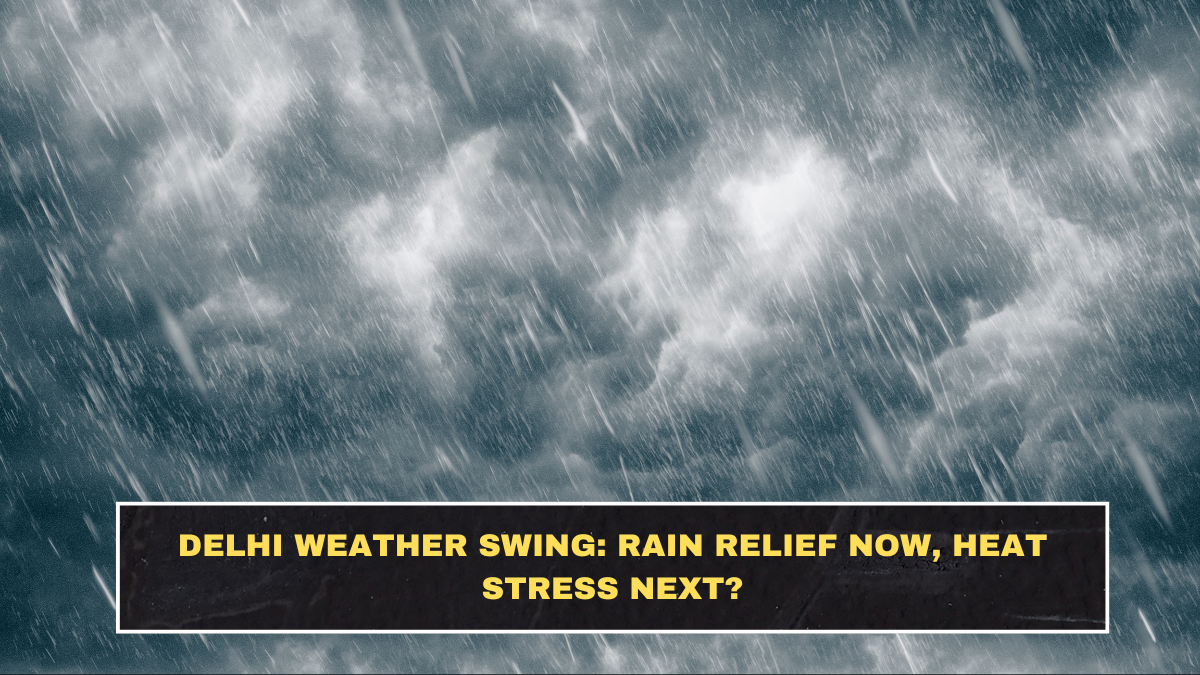
If you feel like Delhi’s weather is confusing right now, you’re not wrong. Within a short span, the city is experiencing rain, thunderstorms, and then a rapid rise in temperature. This kind of sudden shift is not typical for a stable seasonal transition.
The main reason behind this is the influence of western disturbances, which bring moisture and rainfall to north India, followed by clearing skies that allow temperatures to rise quickly.
So what feels like randomness is actually a pattern — just a fast-changing one.
Why Does This Weather Swing Matter for Daily Life?
This is not just about comfort — it directly affects how your day goes.
Rapid weather changes impact:
- Daily commute (traffic, waterlogging, visibility)
- Health (cold, dehydration, fatigue)
- Planning (outdoor activities, travel)
Data shows that sudden temperature changes increase the risk of seasonal illnesses, especially when people are not prepared.
What Is the Current Weather Pattern in Delhi?
Here’s a simplified breakdown:
| Phase | Condition | Impact |
|---|---|---|
| Rain/Thunderstorm | Cooling effect | Temporary relief from heat |
| Clear Skies | Rising temperature | Heat returns quickly |
| Afternoon Heat | Peak temperature increase | Discomfort and fatigue |
This cycle can repeat over a few days, making the weather feel unstable.
What’s Happening Right Now (Data-Based Insight)?
Recent observations indicate:
- Temperature fluctuations within short periods
- Thunderstorm activity due to atmospheric instability
- Rising daytime temperatures after rainfall
Additionally:
- Pre-summer heat conditions are building earlier
- Humidity levels fluctuate after rain
- Air quality can temporarily improve during rainfall
This combination creates a mixed experience — short relief followed by discomfort.
What Is Causing This Rapid Shift?
The key factors include:
- Western disturbances bringing rain and storms
- Quick clearing of clouds after the system passes
- Strong sunlight heating the surface rapidly
When clouds disappear, heat builds faster, leading to sudden temperature spikes.
What Should You Do to Handle This Weather?
Most people react after discomfort — that’s too late.
Instead:
- Carry light layers to adjust for temperature changes
- Stay hydrated throughout the day
- Plan travel considering possible rain or storms
- Avoid peak afternoon heat when possible
Preparation reduces the impact of sudden changes.
What Are the Common Mistakes People Make?
People underestimate how fast weather can change.
Common mistakes include:
- Dressing only for morning weather
- Ignoring hydration
- Not checking forecasts before travel
These small mistakes lead to discomfort and health issues.
What Should You Watch Next?
In the coming days:
- More temperature rise is expected
- Rain and thunderstorm activity may continue intermittently
- Heatwave conditions could develop later
Monitoring daily forecasts is important during this phase.
Reality Check: Is This Weather Pattern Unusual?
Partly — but not entirely unexpected.
Seasonal transitions often bring instability, but the intensity and speed of change are becoming more noticeable. This makes the weather feel more unpredictable than before.
Conclusion: What Does This Weather Swing Really Mean for You?
Delhi’s current weather is a reminder that conditions can change quickly. You can’t rely on a single pattern anymore.
If you stay prepared, you manage it easily. If you ignore it, you deal with unnecessary discomfort.
The weather won’t stabilize immediately — so your planning needs to adapt.
FAQs
Why is Delhi experiencing rain and heat together?
Due to western disturbances followed by rapid temperature rise.
Will the heat increase further?
Yes, temperatures are expected to rise in the coming days.
Is this weather dangerous?
It can cause discomfort and health issues if not managed properly.
How should I prepare for this weather?
Stay hydrated, check forecasts, and plan accordingly.
Will thunderstorms continue?
There may be intermittent thunderstorm activity in the short term.
Click here to know more.