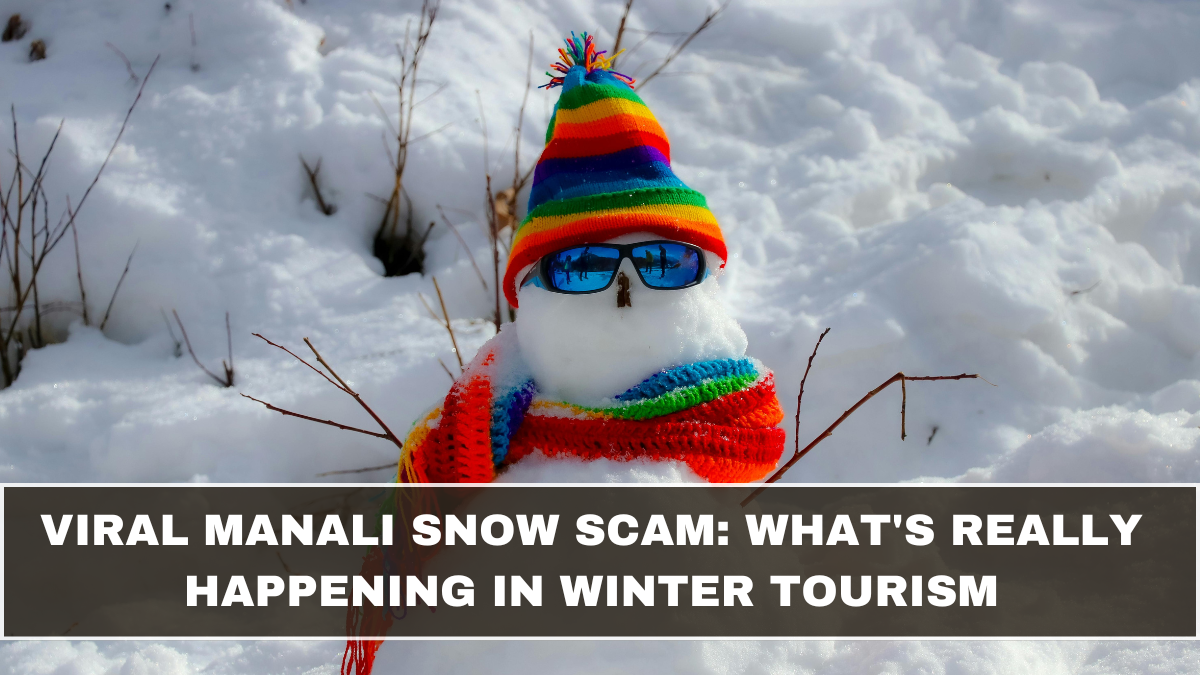
The Manali fake snow viral controversy has taken over social media, triggering intense discussion among travellers, locals and tourism enthusiasts across India. A viral video circulating online claims that snow seen at popular tourist spots in Manali is artificial, sparking a nationwide snow debate. As winter tourism peaks, this unexpected claim has raised questions about authenticity, expectations and the future of Manali winter tourism.
The video shows tourists questioning the texture and appearance of snow, with many alleging that artificial snow machines are being used to maintain tourist footfall. Whether true or exaggerated, the Manali fake snow viral trend has captured public attention and ignited widespread curiosity.
How the Manali Fake Snow Viral Controversy Started
The Manali fake snow viral debate began when a short clip surfaced online showing visitors poking and melting snow patches at a popular viewpoint. The video quickly spread across platforms, with captions suggesting that Manali’s snow was staged to attract tourists.
The clip triggered:
• Massive resharing on social media
• Heated comments from travellers and locals
• Comparisons with artificial snow parks
• Questions about climate change impact
• Debates on transparency in tourism
As the video gained traction, the snow debate intensified, making Manali winter tourism a trending topic across India.
What Experts Say About the Snow Debate
While the Manali fake snow viral claims grabbed attention, experts and local authorities responded by explaining the situation. According to tourism insiders, Manali does receive natural snowfall during winter, but not all areas remain snow-covered consistently.
Key clarifications include:
• Snowfall varies by altitude and timing
• Popular tourist spots may retain snow longer
• Compacted snow can feel different when touched
• Artificial snow is used only in controlled parks, not public hills
• Temperature fluctuations affect snow texture
These explanations suggest that the snow debate may be driven more by misunderstanding than deception. However, the viral nature of the claims continues to shape public perception of Manali winter tourism.
Impact on Manali Winter Tourism
The Manali fake snow viral controversy has had a mixed impact on tourism. While some potential travellers feel hesitant, others are visiting out of curiosity to see the reality themselves.
Tourism-related effects include:
• Increased online searches about Manali snowfall
• Tourists asking guides about snow authenticity
• Hotels addressing guest concerns proactively
• Travel vloggers posting real-time updates
• Greater awareness about seasonal travel planning
Despite the debate, Manali winter tourism remains strong, but travellers are now more informed and cautious about expectations.
Why the Snow Debate Went Viral So Quickly
The speed at which the Manali fake snow viral story spread highlights the power of social media. Visual content, especially when it challenges popular beliefs, tends to gain instant traction.
Reasons behind the virality include:
• Emotional reactions from disappointed tourists
• Growing climate change concerns
• Trust issues around travel marketing
• High winter travel demand
• Curiosity-driven engagement
The snow debate resonated with audiences because it combined travel dreams, environmental anxiety and viral storytelling.
Climate Change and Changing Snow Patterns
One important angle of the Manali fake snow viral discussion is climate change. Experts point out that unpredictable snowfall patterns are becoming more common across hill stations.
Factors influencing snowfall include:
• Rising average temperatures
• Shorter snowfall periods
• Rapid snow melting during daytime
• Increased tourist pressure on natural sites
These factors contribute to confusion during peak Manali winter tourism season, reinforcing the snow debate seen online.
What Tourists Should Know Before Visiting Manali
The Manali fake snow viral controversy has encouraged travellers to plan smarter and manage expectations. Understanding seasonal realities can help avoid disappointment.
Helpful tips for tourists:
• Check weather forecasts before booking
• Visit higher-altitude areas for snow
• Avoid relying solely on viral videos
• Speak with local guides for real updates
• Understand that snowfall is natural but variable
Being informed helps travellers enjoy Manali winter tourism without falling into misinformation traps.
How Local Businesses Are Responding
Local tourism operators are actively responding to the Manali fake snow viral claims by offering transparent communication. Many hotels and tour agencies are sharing live visuals and explaining snowfall conditions honestly.
Their efforts include:
• Real-time weather updates
• Honest travel advisories
• Alternative winter activities
• Educational content about snowfall patterns
These measures aim to rebuild trust and ensure that the snow debate does not harm long-term tourism sentiment.
Conclusion
The Manali fake snow viral controversy has opened up an important conversation about expectations, transparency and climate realities in hill tourism. While the snow debate has raised questions, it has also made travellers more aware and better informed. Manali winter tourism continues to thrive, but the focus is now shifting toward responsible travel, realistic planning and environmental awareness. As viral stories come and go, informed decisions will always lead to better travel experiences.
FAQs
What is the Manali fake snow viral controversy?
It refers to a viral video claiming that snow in Manali is artificial, sparking widespread online debate.
Is Manali’s snow really fake?
Experts confirm Manali receives natural snowfall, though snow appearance varies due to weather and temperature.
Why did the snow debate become so popular?
The mix of viral visuals, travel expectations and climate concerns made it highly shareable.
Has Manali winter tourism been affected?
Tourism continues, but travellers are now more cautious and better informed.
How can tourists avoid misinformation?
By checking official weather updates, consulting locals and avoiding reliance on viral clips alone.
Click here to know more.