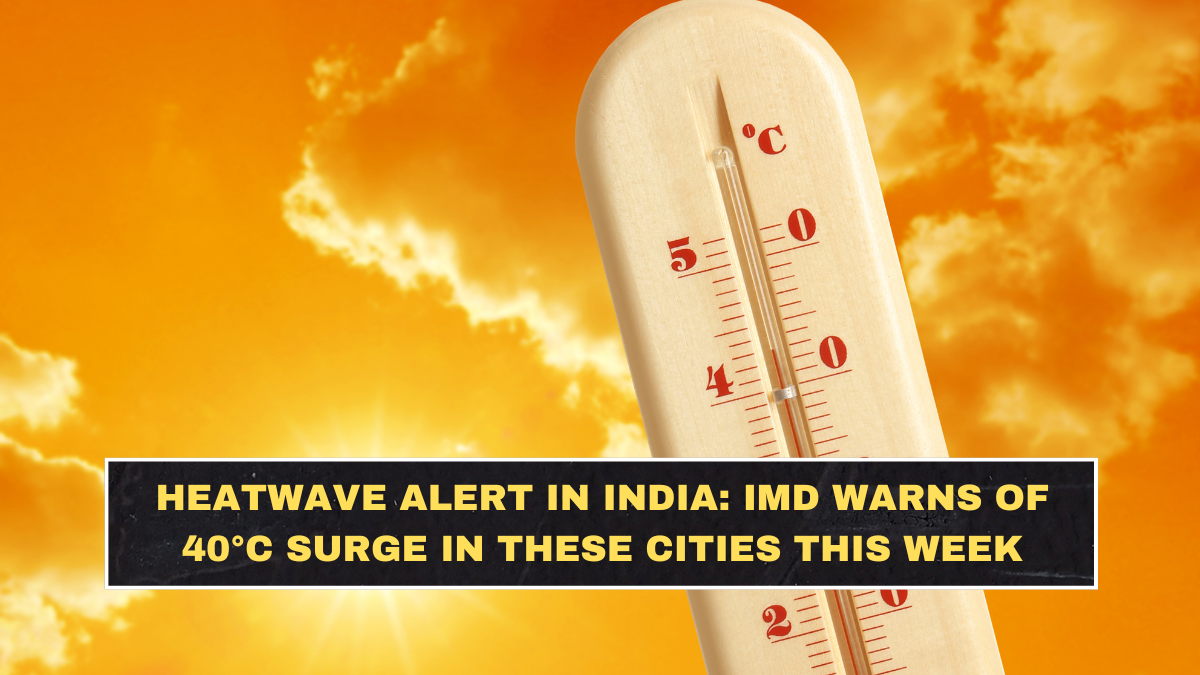
The temperature outside is not just “summer heat” anymore — it is turning into a serious health risk. The India Meteorological Department (IMD) has issued heatwave alerts in multiple states where temperatures are expected to cross 40°C, and in some regions even touch 42–44°C.
What most people ignore is that heatwaves are not just uncomfortable — they can be life-threatening. Every year, hundreds of heatstroke cases are reported in India during peak summer, and most of them happen because people underestimate the intensity of rising temperatures.
Why Does This Heatwave Matter More Than You Think?
This is not a normal seasonal increase. When temperatures cross 40°C consistently, the human body starts struggling to regulate its internal temperature, especially during daytime exposure.
For children, elderly people, and outdoor workers, the risk becomes even higher. Dehydration, dizziness, and heatstroke can develop quickly, sometimes within hours if precautions are not taken.
What Exactly Is a Heatwave According to IMD?
IMD defines a heatwave based on temperature thresholds and deviations from normal conditions.
- Plains: Heatwave declared when temperature ≥ 40°C
- Coastal areas: ≥ 37°C
- Hilly regions: ≥ 30°C
- Severe heatwave: When temperature is 4.5°C to 6.4°C above normal
This means even if your city usually experiences 35°C, a sudden jump to 40°C can qualify as a heatwave because of the abnormal rise.
Which Cities Are Likely to Be Affected?
Several states across north, central, and western India are expected to face high temperatures this week.
Heatwave Impact Snapshot (Expected Conditions)
| Region/State | Expected Temperature | Risk Level |
|---|---|---|
| Delhi-NCR | 40–42°C | High |
| Rajasthan | 41–44°C | Very High |
| Uttar Pradesh | 39–41°C | High |
| Madhya Pradesh | 40–43°C | Very High |
| Gujarat | 40–42°C | High |
These numbers indicate a clear rise above normal seasonal levels, which is why alerts have been issued.
What’s Happening Weather-Wise Right Now?
The main reason behind this heatwave is dry winds and clear skies, which allow direct solar radiation to heat the land rapidly. There is also a lack of western disturbances and rainfall activity, which normally helps in reducing temperature spikes.
Additionally, urban areas are facing the “heat island effect,” where concrete structures trap heat, making cities even hotter than surrounding rural areas.
What Should You Do to Stay Safe in This Heatwave?
Ignoring heatwave warnings is one of the biggest mistakes people make. Safety is not optional when temperatures cross dangerous levels.
Here are practical steps you should follow:
- Avoid going out between 12 PM and 4 PM
- Drink water regularly, even if you don’t feel thirsty
- Wear light-colored, loose cotton clothes
- Use hats, sunglasses, or umbrellas when stepping out
- Avoid heavy meals and alcohol during peak heat
For outdoor workers, taking breaks in shade and staying hydrated is critical.
What Mistakes Are Making Heatwaves More Dangerous?
Most heat-related problems happen because people assume they can “handle it.”
Common mistakes include:
- Skipping water intake until dehydration starts
- Staying in direct sunlight for long periods
- Wearing dark or tight clothing that traps heat
- Ignoring early symptoms like fatigue or dizziness
These small mistakes can quickly turn into serious health issues.
What Should You Watch Next?
Weather conditions can change quickly. IMD updates alerts regularly, and in some cases, sudden thunderstorms or wind patterns can reduce temperatures temporarily.
However, if dry conditions continue, the heatwave may extend for several more days. Keeping track of daily forecasts is important to plan your routine safely.
Reality Check: Is This the New Normal?
Yes — and this is where most people are not paying attention.
India has been experiencing more frequent and intense heatwaves over the past decade. Rising global temperatures and changing climate patterns are making extreme heat more common.
This means heatwaves are no longer rare events — they are becoming a regular part of summer.
Conclusion: What Should You Take Seriously Right Now?
This heatwave is not something you should ignore or take lightly. The combination of high temperatures, dry conditions, and rising urban heat makes it more dangerous than it looks.
The smartest thing you can do is adjust your daily routine, stay hydrated, and avoid unnecessary exposure. Because once heatstroke hits, it is much harder to recover than to prevent.
FAQs
What temperature is considered a heatwave in India?
In plains, 40°C or above is considered a heatwave, depending on deviation from normal temperature.
Which states are most affected by the current heatwave?
Rajasthan, Delhi-NCR, Uttar Pradesh, Madhya Pradesh, and Gujarat are among the most affected regions.
What are early signs of heatstroke?
Dizziness, headache, excessive sweating, nausea, and weakness are early warning signs.
How can I protect myself during a heatwave?
Stay hydrated, avoid direct sunlight, wear light clothing, and limit outdoor activities during peak hours.
Are heatwaves increasing in India?
Yes, data shows that heatwaves are becoming more frequent and intense due to climate changes.
Click here to know more.