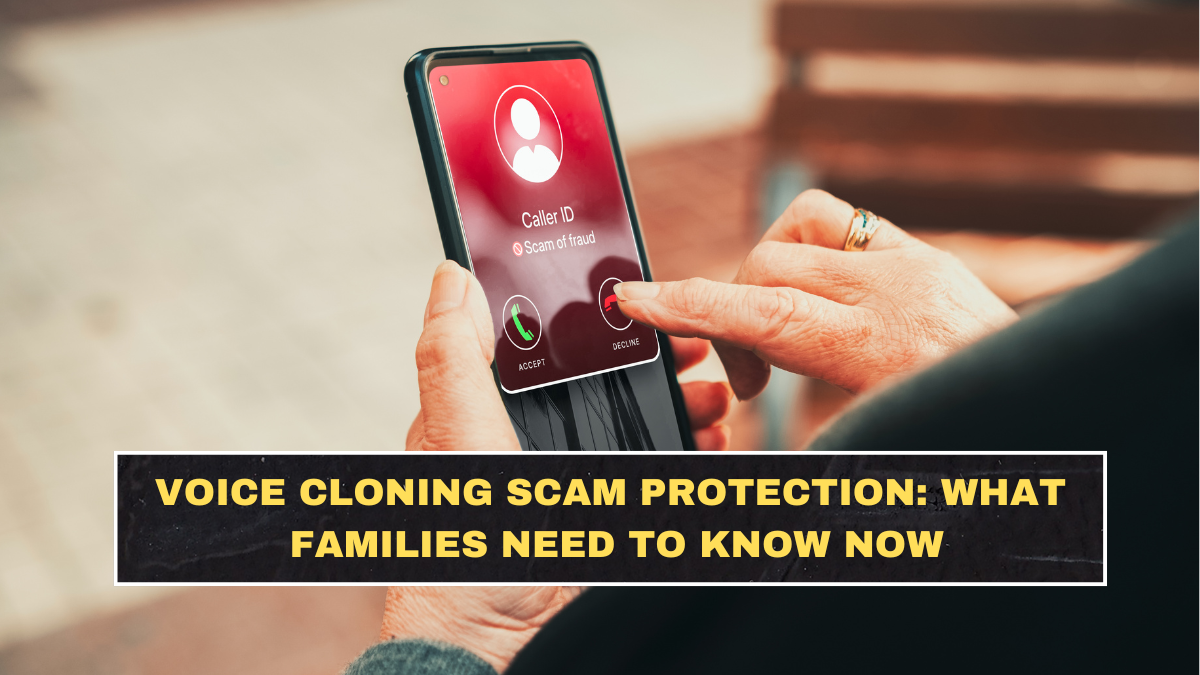
Voice cloning scams are dangerous because they attack judgment through emotion, not just through technology. That is the part many families still fail to understand. A fake bank email can be ignored, but a phone call that sounds like your child, spouse, or parent asking for urgent help can break your normal decision-making in seconds. The FTC has repeatedly warned that scammers can use short audio clips from social media or public videos to imitate a loved one’s voice, especially in fake emergency calls asking for money or secrecy.
What makes this worse is that the scam no longer needs to sound perfect. It only needs to sound believable for a few emotional seconds. Recent FBI alerts also show that AI-generated voice messages are being used in broader impersonation campaigns, not just family scams, which means this tactic is spreading beyond the obvious “grandparent emergency” setup.
Why are voice cloning scams growing now?
The answer is simple and uncomfortable: the tools are easier to access, and most families are still unprepared. Consumer Reports found in 2025 that several voice-cloning products lacked strong safeguards, making it easier to imitate voices without real consent. That matters because scammers do not need studio-quality material. In many cases, a short public audio sample can be enough to create something convincing enough for fraud.
The other reason these scams are growing is that they fit human psychology perfectly. People do not freeze because the technology is advanced. They freeze because the call creates panic, shame, urgency, or guilt. A scammer may claim there has been a crash, arrest, kidnapping, or medical emergency. Once that emotional switch flips, people stop checking details and start obeying instructions. That is exactly why scammers often demand secrecy and immediate payment.
What do voice cloning scams usually sound like?
Most of these scams follow a narrow script. The caller claims to be a loved one or quickly hands the call to someone pretending to be a police officer, lawyer, hospital worker, or kidnapper. The message is almost always urgent, emotional, and designed to prevent independent verification. The FTC’s guidance on family emergency scams makes this clear: the scammer wants money first and checking later, if at all.
Another common pattern is poor context hidden inside a believable voice. The voice may sound right, but the story often contains weak specifics. Maybe the caller avoids basic details, gives a strange payment method, or insists you not contact anyone else. That mismatch matters. People keep trusting the sound and ignoring the logic. That is exactly backward. In fraud prevention, the request matters more than the voice.
Which warning signs should families treat as immediate red flags?
| Warning sign | Why it matters | Best response |
|---|---|---|
| Urgent request for money | Scammers rely on panic before verification | Stop the call and verify independently |
| Demand for secrecy | Isolation helps the scammer control you | Contact another family member immediately |
| Payment by gift card, wire, or crypto | Harder to reverse and common in fraud | Refuse and verify through trusted channels |
| Caller avoids simple personal questions | The voice may be cloned but the knowledge is weak | Ask something only the real person would know |
| Callback discouraged | Scammer wants to keep you inside the script | Hang up and call the saved number yourself |
This is where most families fail. They think protection means spotting futuristic audio tricks. It does not. Protection means recognizing manipulation patterns quickly and breaking the conversation before money or data leaves your control. The scam usually collapses once you slow it down.
How can families verify a suspicious voice call safely?
The best move is brutally simple: hang up and call back using a number you already trust. Do not redial the incoming number if you do not know it. Do not keep talking because the voice sounds familiar. The FTC specifically recommends contacting the person directly through a known number or another trusted channel. That advice sounds basic, but basic is exactly what works under stress.
Families should also create a verbal check system before there is a crisis. A shared safe word or family verification question can block a lot of fraud. Some banks and consumer-safety experts have also pushed this advice because cloned voices may imitate tone well but still fail on a private phrase or pre-agreed answer. The smartest families prepare before the panic moment arrives. Everyone else is gambling.
What habits lower the risk of voice cloning scams over time?
Start with exposure control. If you share a lot of clear talking videos publicly, you are giving away raw material. That does not mean disappearing from the internet, but it does mean being smarter about what is public and how much personal context you reveal. The scammer does not just need your voice. They also need names, relationships, habits, and situations that make the story believable.
Next, train the household. Tell older relatives, teenagers, and anyone who might panic under pressure that no emergency money request should be trusted without a second check. Make one family rule: no payments, no account sharing, and no personal details during an urgent call until someone verifies the situation independently. That rule is far more useful than relying on instinct. Instinct is exactly what scammers exploit.
What should you do if you think you were targeted?
Stop all communication immediately. Contact the real person or institution through a trusted number, check whether any money moved, and report the incident to the relevant platform, bank, or law-enforcement reporting channel if needed. If login details or account codes were shared, change passwords and secure important accounts right away. Fast containment matters because scammers often move from one successful deception to broader account compromise or follow-up impersonation.
Why does voice cloning protection come down to family discipline?
Because the technology is improving faster than people’s habits are. That is the blunt truth. Families keep looking for a perfect detection method, but the more reliable defense is routine friction: pause, verify, call back, and never transfer money during panic. If that discipline becomes normal, most voice cloning scams lose power fast. If it does not, the next convincing voice may be enough.
Conclusion
Voice cloning scams work because they turn trust into a weapon. The voice may sound familiar, but the scam always pushes the same goals: urgency, secrecy, payment, and loss of control. Families do not need perfect tech knowledge to defend themselves. They need a better response pattern. Hang up, verify through a known number, use a family safe word, and refuse any urgent payment request until facts are confirmed. In practice, that is still one of the strongest forms of protection available right now.
FAQs
Can scammers really copy a person’s voice from short clips?
Yes. The FTC and Consumer Reports have both warned that short audio clips can be enough to create convincing cloned speech in some cases.
What is the most common voice cloning scam?
A common pattern is the fake family emergency call, where the victim hears a loved one’s voice and is pressured to send money fast.
What is the safest response to a suspicious call?
Hang up and call the person back using a saved or verified number. Do not rely on the incoming call or the voice alone.
Should families use a safe word?
Yes. A private safe word or verification phrase adds a simple but effective extra layer of protection against impersonation.
Click here to know more