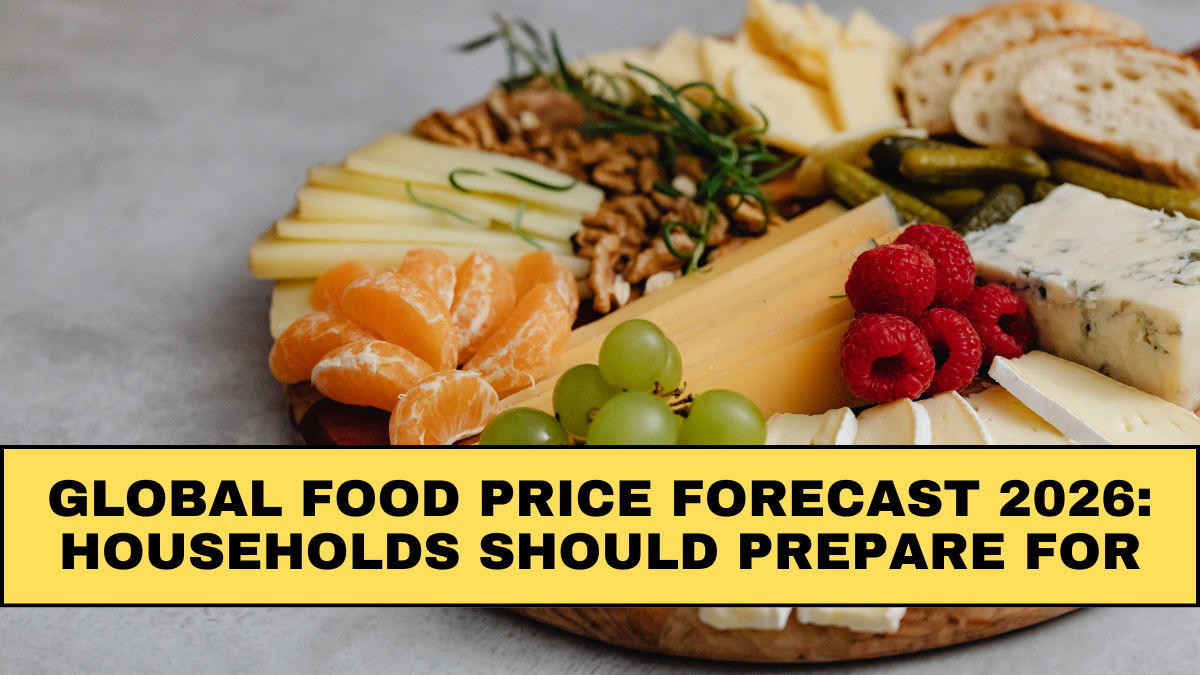
Global food systems are entering a new period of uncertainty as multiple environmental and economic pressures shape Global Food Prices 2026. Climate shifts, geopolitical tensions, and rising production costs are influencing how essential goods will be priced in the coming year. With many countries already experiencing volatility, households are paying closer attention to inflation trends that could affect their budgets.
Experts note that food producers and governments are preparing for a year marked by unpredictable crop performance and higher logistics expenses. While not all regions will see equal price pressure, the broad trend suggests that careful planning will be essential for consumers. Understanding market behaviour early can help families adapt smoothly.
Understanding the Drivers Behind Global Food Prices 2026
Several global forces are pushing food prices upward. Extreme weather events, irregular rainfall, and prolonged droughts are disrupting agricultural output across major producing regions. At the same time, transportation costs, fertilizer prices, and labour shortages are adding pressure to the final retail value of everyday items. These inflation trends are becoming visible in both emerging and developed markets.
Geopolitical tensions continue to influence global trade flows. Supply chains dependent on imported grains, oils, or proteins may face instability if shipping costs rise or trade restrictions tighten. This creates a ripple effect where even locally grown items may be impacted by higher input and distribution expenses.
Household Spending and Foodprices: What Changes to Expect
Families are likely to notice variations in essentials such as rice, wheat, edible oils, dairy products, and sugar. The Global Food Prices 2026 outlook shows that volatility in the Globalmarket may cause uneven increases across different regions. In some markets, prices may remain stable for months before sudden spikes occur due to supply shortages or unexpected climate events.
Import-heavy countries may see sharper rises compared to regions with strong agricultural independence. Consumers may therefore need to adjust their purchasing patterns based on local availability, affordability, and seasonal production trends.
How Households Can Prepare for 2026
Smart planning is the most effective way to manage rising food costs. Families can benefit from buying essential staples in scheduled intervals, choosing seasonal produce, and reducing waste through better storage and meal planning. Monitoring market movements helps identify periods when prices are more favourable for bulk purchases.
Households may also consider affordable alternatives such as millets, regional grains, or locally sourced vegetables. Cooking at home, limiting spontaneous buying, and tracking monthly food expenditure can significantly ease financial pressure. Community markets, farmer cooperatives, or neighbourhood suppliers may offer more stable rates compared to imported goods.
Globalmarket Adjustments and the 2026 Outlook
Governments and companies worldwide are adjusting operations to respond to the challenges ahead. Investments in climate-resilient farming, improved storage systems, and efficient supply chains are becoming more common. However, the overall Global Food Prices 2026 scenario still depends heavily on climate stability and political cooperation in the coming months.
If weather conditions remain manageable and trade flows stay uninterrupted, consumers may see periods of relief. However, if disruptions continue, Foodprices could escalate faster than expected. Being informed and financially prepared remains the smartest strategy for households navigating 2026.
Conclusion
The Global Food Prices 2026 forecast highlights a year of potential inflation and unpredictable supply pressures. As inflation trends influence daily expenses across the Globalmarket, families that plan ahead will be better prepared to handle fluctuations. While uncertainties remain, adopting mindful spending habits and understanding market patterns can help reduce the impact on household budgets.
FAQs
Will global food prices definitely rise in 2026?
Not guaranteed, but indicators suggest potential increases due to climate conditions, supply chain challenges, and shifting demand.
Which food items may become costlier?
Staples such as grains, edible oils, sugar, and dairy products may experience price variations.
How can households manage rising food expenses?
Plan purchases, choose seasonal produce, reduce waste, and monitor market trends regularly.
Are price increases the same worldwide?
No. Changes depend on each region’s production capacity, import dependence, and local inflation.
Can governments help reduce rising food prices?
Yes. Measures like subsidies, storage improvements, and trade agreements can help stabilise markets.
Click here to know more.