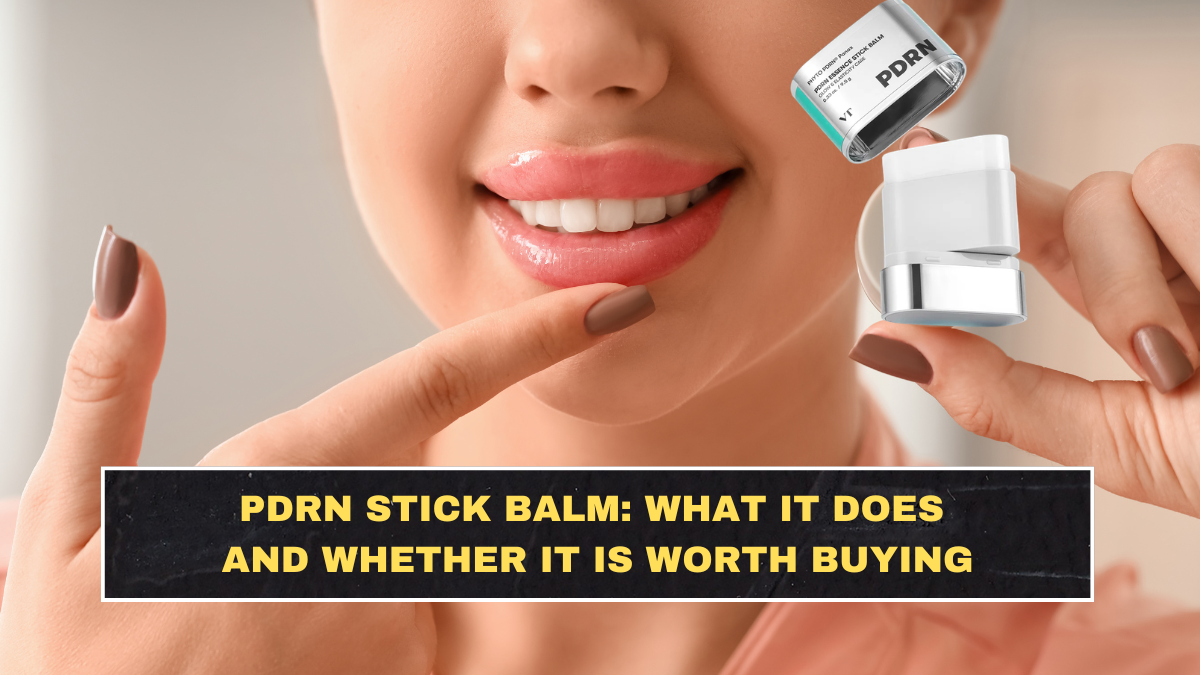
PDRN stick balm is getting attention because it fits exactly where skincare is heading in 2026: fewer steps, more convenience, and stronger interest in regenerative-sounding ingredients. PDRN, short for polydeoxyribonucleotide, has become one of the biggest K-beauty talking points, showing up in serums, creams, masks, and now portable balm sticks marketed for hydration and barrier support. Beauty coverage this year points to PDRN as a fast-growing trend tied to skin repair, glow, and “intelligent minimalism,” where shoppers want one product to do more instead of building endless routines.
What Is a PDRN Stick Balm?
A PDRN stick balm is a solid or semi-solid skincare product packaged in a twist-up stick, designed to be swiped directly onto dry or stressed areas of the face. In theory, it combines the skin-supporting reputation of PDRN with the occlusive, protective feel of a balm. That makes it attractive to people who want quick moisture on the go, especially around the cheeks, under-eyes, smile lines, or flaky patches. It is also part of a wider trend toward travel-friendly, touch-up skincare formats that can be used under or over makeup.
The important thing people miss is that the stick format matters as much as the headline ingredient. A balm stick is usually less about deep treatment and more about sealing in moisture, smoothing rough texture, and making skin look fresher for a few hours. So if you are expecting the effect of an in-clinic PDRN procedure from a purse-friendly stick, that is fantasy, not skincare logic.
Why Is PDRN Stick Balm Trending Right Now?
The trend is growing because it sits at the intersection of three strong consumer habits: barrier-first skincare, Korean beauty influence, and portable multitasking products. Recent beauty reporting from Vogue, Elle, and Allure all points to PDRN as one of the notable regenerative ingredients moving from niche treatment language into mainstream skincare shelves. At the same time, editors and testers are highlighting balm-stick products as easy, low-mess hydrators for dry and crepey skin, especially when people want touch-ups without carrying a full routine.
There is also a marketing reason. A stick balm is easier to sell than a clinical procedure because it feels simple, quick, and non-intimidating. Brands can borrow the prestige of regenerative skincare language while offering a product that is cheaper and easier to adopt. That does not make it useless, but it does mean a lot of the hype is built on association rather than dramatic evidence for the balm format itself.
What Can PDRN Stick Balm Actually Do?
A PDRN stick balm can realistically help with temporary dryness, rough texture, surface dehydration, and that dull, tired look that comes from a weakened skin barrier. Some PDRN research suggests the ingredient may support healing, calm inflammation, and improve skin quality, while beauty experts describe topical PDRN as helpful for damaged skin, hydration, and smoother texture. But those broader claims do not automatically translate into major visible results from a balm stick alone.
In real-life use, the immediate effect usually comes from the balm base itself. Ingredients like oils, waxes, emollients, squalane, ceramides, and humectants often do most of the heavy lifting in making skin feel softer and look less creased. The PDRN may be a useful supporting ingredient, but buyers who think it is doing everything are usually fooling themselves. The formula structure matters more than the front-label trend word.
Who Is PDRN Stick Balm Best For?
This kind of product makes the most sense for people with dry, dehydrated, mature, or easily irritated skin who want a quick moisture layer during the day. It can also appeal to people who spend time in air conditioning, travel often, wear makeup that clings to dry patches, or want a simple top-up product for flaky areas. Byrdie’s review of a multitasking Korean balm stick specifically noted use for dry, crepey skin and under- or over-makeup hydration.
It makes less sense for very oily or acne-prone users if the formula is heavy or overly occlusive. A stick dragged directly across active breakouts can also be a bad idea, because it may spread residue and create a greasy feel. Sensitive users should check fragrance and essential oils carefully, because a balm that sounds soothing can still contain irritating extras.
What Should You Check Before Buying?
The smartest way to judge a PDRN stick balm is to ignore the trend language for a minute and check the full formula, texture, and use case. If the product is mostly wax and fragrance with a tiny amount of trendy actives, you are paying for marketing. If it combines a skin-supportive base with humectants and calming ingredients, it has a better chance of being genuinely useful.
| What to Check | Better Sign | Why It Matters |
|---|---|---|
| Main purpose | Dry patch relief, barrier support, touch-up hydration | Keeps expectations realistic |
| Supporting ingredients | Ceramides, glycerin, squalane, panthenol, hyaluronic acid | These often drive visible daily results |
| Texture | Smooth, non-gritty, not overly greasy | Better for repeat use and makeup touch-ups |
| Irritation risk | Low fragrance, fewer essential oils | Safer for stressed or sensitive skin |
| Packaging use | Clean enough for face reapplication | Matters for hygiene and portability |
This is where most shoppers go wrong. They buy the trend instead of the function. A good stick balm should solve a practical problem fast. If it does not make dry skin easier to manage, it is just a shiny tube with a fashionable ingredient story.
Is PDRN Stick Balm Worth Buying?
PDRN stick balm can be worth buying if you already know what you want from it: quick hydration, smoother-looking skin, and an easy barrier-support step for dry areas. It is especially useful for people who like Korean skincare textures and want something portable rather than another bottle on the bathroom shelf. That is why this category has momentum. It fits modern buying habits.
It is not worth buying if you expect major anti-aging, scar repair, or clinic-style skin renewal from a balm stick. The stronger evidence around PDRN comes from broader regenerative research and aesthetic medicine, not from swipe-on sticks alone. So yes, the trend makes some sense, but the payoff is usually modest and practical, not dramatic.
Conclusion?
PDRN stick balm is trending because it sounds advanced, feels convenient, and matches the current obsession with barrier care and multitasking skincare. It can be useful for dry, stressed skin and on-the-go touch-ups, but it is still a balm first and a trend ingredient vehicle second. The smartest buyers will judge the full formula, not the hype, and buy it only if they need portable moisture support instead of expecting a miracle from a stick.
FAQs
Is PDRN stick balm the same as a PDRN serum?
No. A serum is usually lighter and built for full-face application, while a stick balm is more targeted and occlusive. The balm is better for touch-ups and dry patches, not necessarily for delivering the most elegant active-treatment texture.
Can you use PDRN stick balm over makeup?
Many balm sticks are marketed for use over makeup, and Byrdie specifically noted that this style of product can work under or over makeup for dry areas. But greasy formulas may disturb foundation, so texture matters a lot.
Is PDRN in skincare always from salmon?
Not always. Allure and other beauty coverage note that while PDRN became famous through salmon-derived versions, some newer skincare products are using plant-based alternatives in topical formulas.
Should oily skin buy a PDRN stick balm?
Usually only if you need targeted dryness relief. For oily skin all over the face, a lighter serum or gel-cream is often the more sensible choice than rubbing a balm stick everywhere.