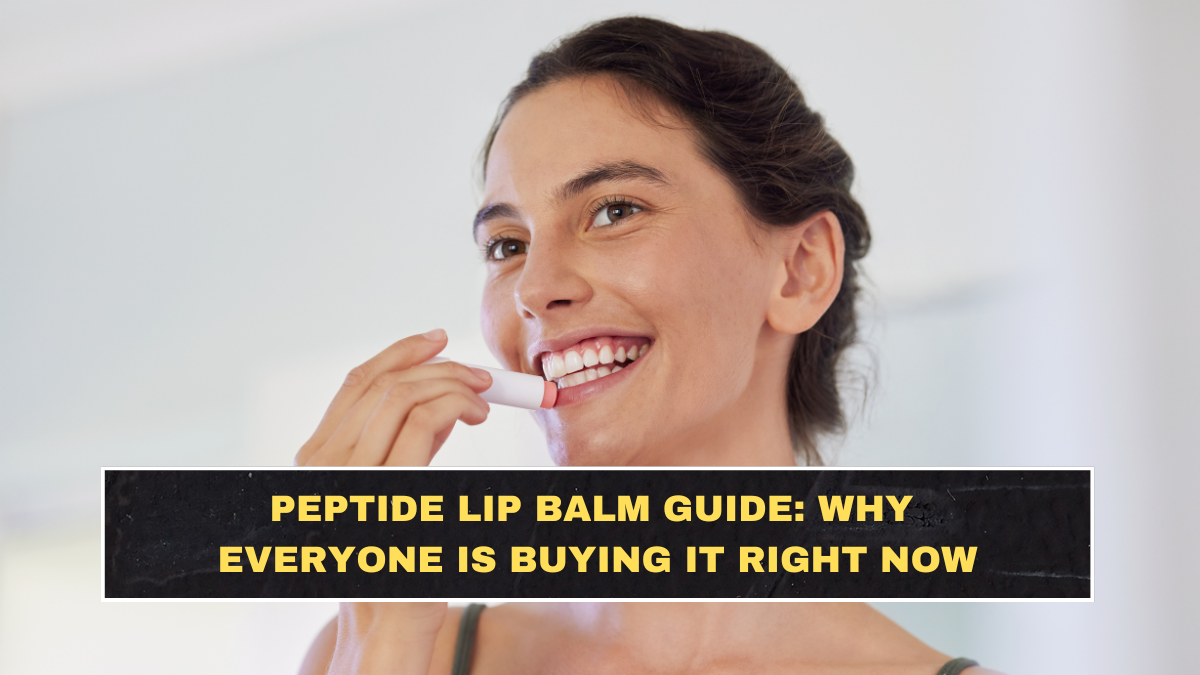
Peptide lip balm has gone from beauty-insider product to mainstream buy because it promises more than basic moisture. Instead of acting like a simple waxy layer that sits on the lips, peptide lip products are now marketed as multitasking treatments that hydrate, smooth fine lines, and make lips look fuller without the sting of traditional plumpers. That pitch fits perfectly with what shoppers want in 2026: low-effort products that feel more advanced than regular lip balm. Beauty editors and dermatologists have both noted that peptide lip treatments are getting more attention as people look for noninvasive ways to improve lip texture and comfort.
What Is Peptide Lip Balm and Why Is It Trending?
Peptide lip balm is a lip treatment that includes peptides, which are short chains of amino acids used in skincare formulas to support smoother, healthier-looking skin. On the lips, these products are usually paired with hydrating ingredients like hyaluronic acid, shea butter, plant oils, and occlusives that reduce water loss. The reason they are trending is simple: people are tired of lip products that feel good for ten minutes and then leave lips dry again. Peptide formulas are being sold as a smarter option that combines instant comfort with longer-term improvement in texture and softness.
The other reason this trend is growing is that injectable lip filler is not for everyone. Many buyers want a lower-cost, lower-risk option that gives a smoother and slightly fuller look without appointments, needles, or obvious swelling. That does not mean peptide lip balm is a true filler alternative. It means it sits in the sweet spot between basic balm and cosmetic procedure, which makes it easy to market and easy to buy.
What Can Peptide Lip Balm Actually Do?
The realistic benefits are hydration, a smoother surface, less visible lip lines, and a slightly plumper appearance. Byrdie reports that dermatologists describe peptides as helpful for hydration, collagen support, and softening fine lines, while Allure notes that peptide lip treatments are often chosen for texture, fullness, and moisture support. A 2025 clinical study on a peptide-hyaluronic acid lip formulation also reported improvements in lip aesthetics such as texture and shine, which suggests the category is not pure marketing fiction.
Still, this is where people get stupid about beauty products. They hear “peptide” and imagine filler-level volume. That is not what a lip balm does. Most of the visible short-term payoff comes from hydration, film-forming ingredients, and smoothing the surface so lips reflect light better. The peptide may help support lip condition over time, but the product is not reshaping your mouth. If you expect dramatic plumping, you are setting yourself up for disappointment.
Which Ingredients Matter Most in a Good Formula?
A strong peptide lip balm usually works because of the full formula, not just one trendy ingredient. Peptides may support skin quality, but lips also need humectants to pull in water, emollients to soften rough texture, and occlusives to keep moisture from escaping. Dermatology guidance on chapped lips consistently points to ingredients that reduce water loss and avoid irritation, and beauty coverage often highlights combinations of peptides with hyaluronic acid, shea butter, jojoba oil, ceramides, and petrolatum-style sealants.
The ingredients to be careful with are the usual offenders: menthol, camphor, phenol, benzocaine, and harsh exfoliating actives in an already-dry lip product. Those ingredients may create a tingly or “medicated” feeling, but they can also make lips more irritated and more dependent on constant reapplication. That is one of the dumbest mistakes shoppers make: confusing sensation with effectiveness.
| Formula Factor | Better Choice | Why It Matters |
|---|---|---|
| Core active | Peptides plus hyaluronic acid | Supports smoother, more hydrated lips |
| Moisture seal | Petrolatum, shea butter, beeswax, squalane | Helps reduce moisture loss |
| Softening support | Jojoba oil, sunflower oil, ceramides | Improves comfort and texture |
| Irritation risk | Low fragrance, no menthol or camphor | Better for dry or sensitive lips |
| Finish | Balm, treatment, or gloss-balm hybrid | Helps match daily use needs |
This table is where buying decisions should start. Not with influencer hype, not with packaging, and not with whichever tube is viral this week.
Who Should Buy Peptide Lip Balm?
Peptide lip balm makes the most sense for people with dry lips, visible lip lines, weather damage, or a habit of reapplying standard balm all day without real improvement. It is also useful for people who want a polished, slightly fuller look without using irritating lip plumpers. Many of the best-reviewed formulas are positioned as daily maintenance products rather than dramatic treatment products, and that is exactly how they should be judged.
It makes less sense for someone who already gets good results from a simple, cheap occlusive balm and does not care about cosmetic finish. If petrolatum works perfectly for you, paying three or four times more for a peptide lip treatment may be unnecessary. Trendy does not automatically mean better. It often just means prettier branding and higher margins.
How Should You Choose a Better Peptide Lip Balm?
Start by deciding what problem you are actually solving. If your lips are cracked and damaged, barrier repair matters more than gloss or tint. If your lips are healthy but look lined or flat, a peptide-hyaluronic formula may be more useful. Then check whether the balm is a real treatment or just a flavored gloss with a small amount of peptide included for marketing. Allure’s coverage of lip treatments makes it clear that the better products usually combine targeted actives with reliable moisturizing ingredients instead of leaning on trend language alone.
You should also be realistic about price. Many peptide lip products sit in the premium category, and some are genuinely good, but not every expensive formula is worth it. If the ingredient list is weak or loaded with irritants, you are paying for branding, not results.
Is Peptide Lip Balm Worth It?
Yes, for the right buyer. Peptide lip balm can be worth it if you want a more elegant daily lip product that hydrates well, feels comfortable, and gives lips a smoother, healthier look over time. The category has momentum because it meets a real demand: people want lip care that feels like skincare, not just a quick fix.
No, if you are expecting a miracle. A good peptide lip balm can improve comfort, texture, and the appearance of lips, but it will not replace filler, erase chronic lip damage overnight, or outperform a strong simple balm for everyone. The smart move is to buy it as an upgraded maintenance product, not as magic in a tube.
Conclusion?
Peptide lip balm is popular because it offers something more useful than basic lip balm and something less intimidating than cosmetic procedures. It can help with hydration, texture, and a smoother, slightly fuller look, especially when the formula combines peptides with proven moisture-supporting ingredients. But the hype still needs discipline. Judge the formula, avoid irritating ingredients, and stop assuming every viral lip product deserves your money.
FAQs
Do peptide lip balms actually plump lips?
They can make lips look somewhat fuller by improving hydration and smoothing surface lines, but they do not create filler-like volume. Most of the visible plumping is modest and temporary.
Are peptide lip balms better than regular lip balm?
Sometimes. They can be better if the formula also includes strong hydrating and sealing ingredients. But a basic balm with petrolatum can still outperform a badly formulated peptide product for severely dry lips.
Which ingredients should you avoid in lip balm?
Menthol, camphor, phenol, benzocaine, and harsh exfoliating ingredients can make already-dry lips more irritated. These are common traps in “medicated” or tingling products.
Can you use peptide lip balm every day?
Yes. Dermatologists quoted by Byrdie describe peptide lip treatments as safe for everyday use, especially as part of a regular lip care routine.