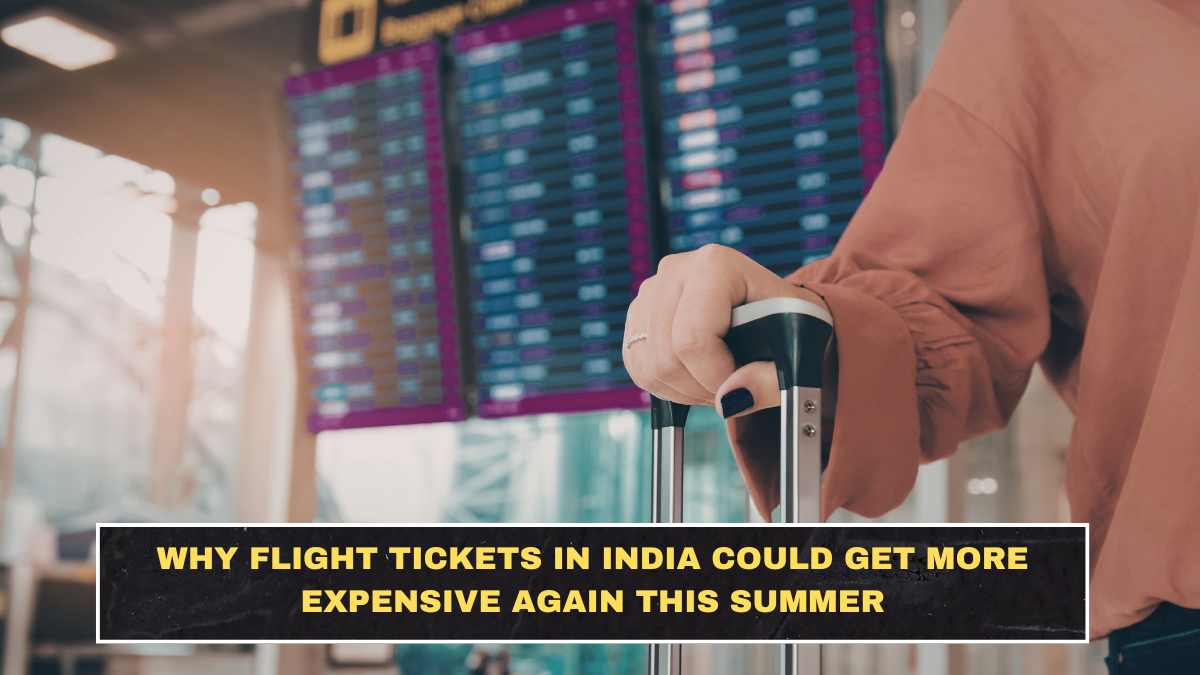
Flight tickets in India are under pressure again, and the main reason is fuel. Aviation turbine fuel, or ATF, is one of the biggest costs for airlines, and recent oil-market disruption has made that burden heavier. India also removed temporary domestic airfare caps from March 23, 2026, which gives airlines more room to raise fares if costs keep climbing. That means travelers should stop assuming summer fares will stay stable just because planes are full and routes are running normally.
What changed in March 2026
Two things shifted at the same time. First, India lifted the temporary fare caps that had been introduced after late-2025 flight disruptions. Reuters reported that the cap had limited fares on some routes, including up to ₹15,000 for flights such as Delhi–Mumbai, and airlines had argued those controls were hurting them as fuel costs rose. Second, jet fuel prices remained elevated because of the West Asia conflict and oil supply stress.
There is also a tax angle people keep oversimplifying. The government cut fuel duties on petrol and diesel on March 27, but for aviation it instead imposed an export duty of ₹29.5 per litre on ATF exports. That move helps the government recover revenue, but it does not reduce the basic fuel-cost pressure airlines face inside India. So the headline “fuel relief” did not really mean cheaper flying.
Why ATF matters so much to ticket prices
ATF is not some minor backend expense. Moneycontrol reported that aviation turbine fuel makes up roughly 35% to 45% of airline operating costs in India. Reuters also noted that for airlines globally, fuel can account for up to a quarter of operating expenses, and when prices spike fast, carriers respond through surcharges, fare hikes, route changes, or tighter capacity. That is exactly why ticket prices become vulnerable during oil shocks.
IndianOil’s published March 1, 2026 ATF prices show how expensive the fuel already is in major metros. Delhi was at ₹96,638.14 per kilolitre, Kolkata at ₹99,587.14, Mumbai at ₹90,451.87, and Chennai at ₹1,00,280.49. These are not abstract industry figures. They directly shape airline economics, especially before the summer travel rush.
What airlines have already started doing
This is not theoretical. IndiGo announced a fuel charge effective March 14, 2026, as rising jet fuel prices and West Asia airspace disruption increased costs. Livemint, citing the development, reported that tickets were set to get costlier by about ₹425 to ₹2,300 depending on the route. That matters because IndiGo is India’s largest airline, so when it moves, the market usually feels it.
Here is the practical breakdown:
| Factor | Verified data point | Why travelers should care |
|---|---|---|
| Fare caps removed | Domestic caps withdrawn from March 23, 2026 | Airlines now have more pricing freedom |
| ATF in Delhi | ₹96,638.14 per KL on March 1, 2026 | Fuel remains expensive before peak travel |
| Airline cost share | ATF is about 35%–45% of costs | Small fuel shocks can quickly affect fares |
| IndiGo surcharge | ₹425 to ₹2,300 depending on route | Fare increases have already started |
What this means for Indian travelers
Travelers should expect more price sensitivity, especially on popular domestic sectors during the summer peak. The bad habit here is waiting too long and then acting surprised when fares jump. Once fare caps are removed and fuel remains high, airlines do not need much excuse to reprice inventory. Even if every route does not spike immediately, the risk of higher last-minute pricing is clearly stronger now than it was under the capped regime.
A few practical points matter most:
- Book earlier for peak summer routes rather than assuming deals will appear late.
- Compare total fare, not just base fare, because surcharges and add-ons distort the real price.
- Watch metro-to-metro routes closely, where both demand and pricing power are stronger.
- Do not confuse petrol or diesel tax changes with relief for flight tickets. They are not the same thing.
Conclusion
Flight tickets in India could get more expensive again this summer because the pressure is real, not imagined. ATF remains costly, airlines now have more freedom after the fare-cap withdrawal, and major carriers have already started passing part of the burden to customers. The smart reader should stop looking for comfort headlines and focus on the simple truth: when fuel stays volatile and demand stays strong, airfare usually follows.
FAQs
Are domestic flight prices in India officially capped right now?
No. Reuters reported that India withdrew the temporary domestic airfare caps from March 23, 2026.
Why are airlines under pressure to raise fares?
Because ATF is a major cost component. In India, it accounts for roughly 35% to 45% of airline operating costs.
Did any airline already raise prices in March 2026?
Yes. IndiGo introduced a fuel charge from March 14, with fare impact reported in the range of ₹425 to ₹2,300 depending on route.
Does the petrol and diesel duty cut make flights cheaper too?
No. That cut was for road fuels. ATF still faces separate pricing and tax dynamics, and India also imposed an export duty on ATF.