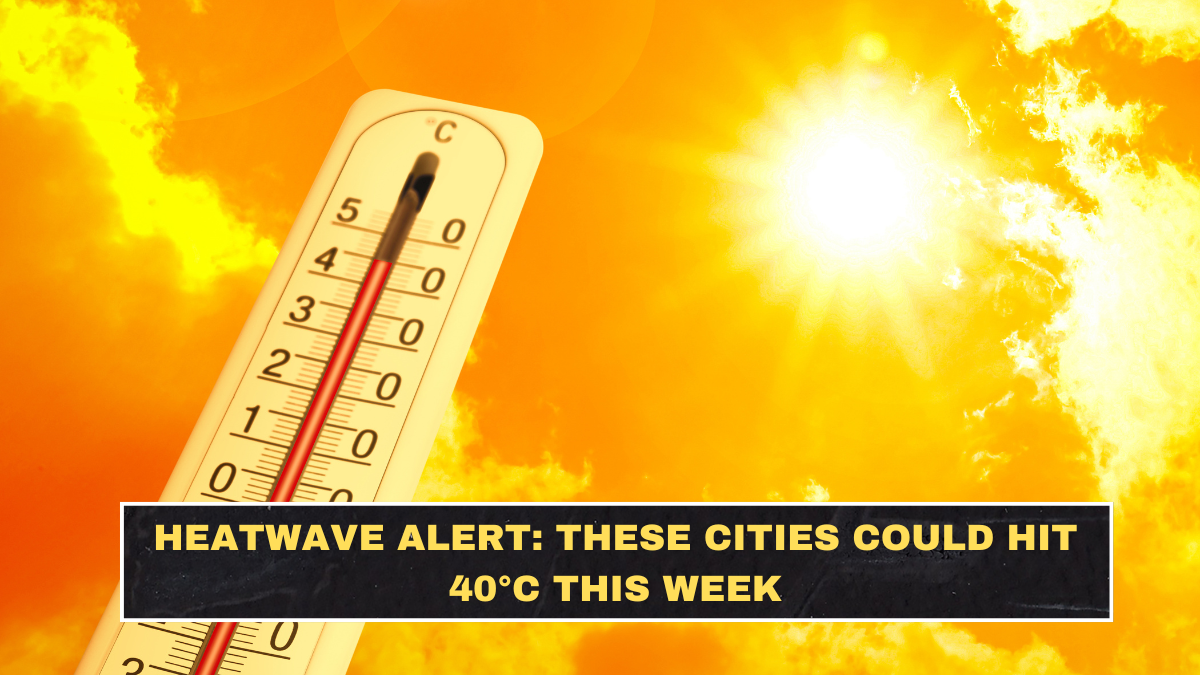
Temperatures are rising fast, and this is not just “normal summer.”
Several cities in India are already moving toward extreme heat levels.
If you ignore this, it can directly affect your health and daily routine.
Why This Matters
Heatwaves are not just about feeling uncomfortable—they can be dangerous. When temperatures cross 40°C, the risk of dehydration, heat exhaustion, and heatstroke increases sharply. This affects children, elderly people, outdoor workers, and even healthy adults if precautions are ignored.
In India, heatwaves are becoming more frequent and intense due to changing weather patterns. That means this is no longer a rare event—it’s something people need to prepare for every year.
Main Explanation
Let’s understand this in the simplest way.
Think of your body like a machine that needs cooling. Normally, your body cools itself by sweating. But when the temperature outside becomes too high, especially above 40°C, your body struggles to cool down properly.
This is when problems start.
If you lose too much water through sweat and don’t replace it, you become dehydrated. If your body temperature keeps rising, it can lead to heat exhaustion. And in extreme cases, it can turn into heatstroke, which is a medical emergency.
Now here’s the important part—heatwaves don’t always feel dangerous at the start. Many people ignore early signs like fatigue, headache, or dizziness. That’s why most heat-related issues happen due to carelessness, not just temperature.
Table: Heat Levels and Risk
| Temperature Range | What It Feels Like | Risk Level |
|---|---|---|
| 30–35°C | Warm to hot | Low risk |
| 36–39°C | Very hot | Moderate risk |
| 40–44°C | Extreme heat | High risk |
| 45°C and above | Severe heatwave | Very high risk |
What’s Happening
Many regions in India experience heatwaves during pre-monsoon months, especially in northern, central, and western parts. Cities like Delhi, Rajasthan regions, parts of Uttar Pradesh, and Madhya Pradesh often see temperatures crossing 40°C during this period.
Weather departments issue heatwave alerts when temperatures remain significantly above normal for consecutive days. These alerts are meant to warn people early so they can take precautions.
Rising temperatures are also linked to urban heat effects, where cities become hotter due to concrete structures, reduced greenery, and high energy usage.
What You Should Do
Start with the basics—stay hydrated. Drink water regularly even if you don’t feel thirsty.
Avoid going outside during peak afternoon hours (12 PM to 4 PM). If you must go out, cover your head and wear light, breathable clothes.
Keep your home cool by closing curtains during the day and using fans or coolers efficiently.
Also, never leave children or pets inside parked vehicles, even for a short time.
Common Mistakes
The biggest mistake is underestimating heat. People think, “It’s just summer,” and ignore early symptoms.
Another mistake is not drinking enough water. Waiting until you feel thirsty is already too late.
Wearing heavy or dark clothing, skipping meals, and consuming too much caffeine or alcohol can make heat effects worse.
What to Watch Next
Watch for official heatwave alerts and temperature forecasts in your city. If temperatures continue rising for multiple days, the risk increases.
Also, keep an eye on humidity levels. High humidity with heat makes conditions even more uncomfortable and dangerous.
Reality Check
Here’s the hard truth.
Heatwaves are not rare anymore—they are becoming normal. And most people are still not prepared.
If you think “it won’t affect me,” you’re exactly the kind of person who gets affected first.
Conclusion
Heatwaves are serious weather events that can impact health, productivity, and daily life. The danger is not just the temperature itself, but how people respond to it.
Simple steps like staying hydrated, avoiding peak heat, and recognizing early symptoms can prevent major health issues.
Because in extreme heat, awareness is not optional—it’s survival.
FAQs
What is a heatwave?
A heatwave is a prolonged period of excessively hot weather, often above normal temperatures.
Which cities are most affected by heatwaves in India?
Northern and central regions like Delhi, Rajasthan, and parts of Uttar Pradesh and Madhya Pradesh are commonly affected.
What are the symptoms of heat exhaustion?
Symptoms include heavy sweating, weakness, dizziness, headache, and nausea.
How can I protect myself from heatwave?
Stay hydrated, avoid direct sunlight, wear light clothing, and rest in cool places.
Is heatstroke dangerous?
Yes, heatstroke is a serious condition that requires immediate medical attention.
Click here to know more.