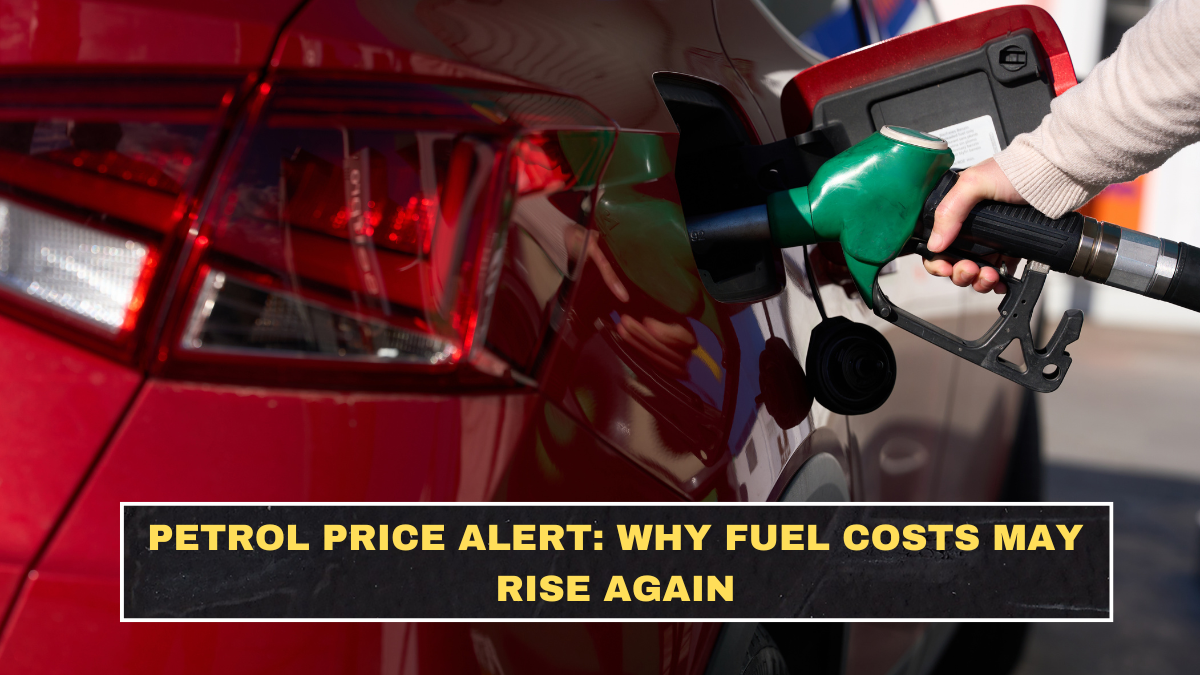
Fuel prices don’t just affect your car—they affect your entire life.
When petrol and diesel become expensive, everything else follows.
The real question is not “if” prices rise—but how much it will cost you.
Why This Matters
Petrol and diesel are not just fuels—they are the backbone of transportation in India. From vegetables reaching your local market to daily commuting, everything depends on fuel.
So when fuel prices increase, the impact spreads everywhere. Transport costs rise, delivery charges increase, and even grocery prices can go up. That’s why a petrol price hike feels bigger than just filling your tank—it quietly increases your overall cost of living.
Main Explanation
Let’s break it down in the simplest way.
Imagine petrol like the blood of the economy. If it becomes expensive, everything that depends on it also becomes expensive.
Fuel prices in India are mainly affected by three things:
First, global crude oil prices. India imports most of its crude oil. So if oil becomes expensive globally, petrol and diesel also become costly here.
Second, the rupee vs dollar value. Oil is bought in dollars. If the rupee becomes weaker, India has to pay more for the same oil.
Third, taxes. A significant part of petrol and diesel price in India comes from central and state taxes. This means even if crude prices fall, your final price may not drop as much.
So when you see petrol prices increasing, it’s usually a combination of these factors—not just one reason.
Table: What Affects Petrol & Diesel Prices
| Factor | Simple Meaning | Impact on Your Pocket |
|---|---|---|
| Global crude oil price | Cost of oil worldwide | Directly increases fuel price |
| Rupee vs dollar | Currency exchange rate | Weak rupee = expensive fuel |
| Central taxes | Government taxes | Major part of final price |
| State taxes (VAT) | State-level charges | Price varies by state |
| Dealer commission | Margin for petrol pumps | Small but fixed addition |
What’s Happening
Fuel prices in India are revised regularly based on global crude oil trends and currency movement. In recent times, volatility in international oil markets has kept prices uncertain.
At the same time, taxes continue to form a large portion of retail fuel prices. This is why even when crude prices fluctuate, consumers may not always see a proportional decrease in petrol or diesel rates.
As a result, fuel prices remain sensitive and can rise again depending on global and domestic conditions.
What You Should Do
Start by controlling what you can—your usage.
Avoid unnecessary travel, combine errands, and maintain your vehicle properly. A well-maintained vehicle consumes less fuel.
If possible, consider alternatives like public transport, carpooling, or even switching to fuel-efficient vehicles.
Also, track fuel prices regularly instead of getting surprised. Awareness helps you plan better.
Common Mistakes
One big mistake is ignoring fuel efficiency. Driving habits like rapid acceleration or poor maintenance can increase fuel consumption.
Another mistake is assuming prices will come down soon. Many people delay decisions waiting for a drop, which may not happen quickly.
Also, people often ignore how fuel prices affect other expenses like groceries and transport.
What to Watch Next
Watch global crude oil trends. If crude prices rise internationally, fuel prices in India are likely to follow.
Also watch government tax decisions. Any change in taxes can directly impact petrol and diesel prices.
Seasonal demand and geopolitical factors can also influence fuel pricing, so staying informed is important.
Reality Check
Here’s the uncomfortable truth.
Fuel prices are not going to stay stable just because people want them to. They depend on global markets, and India has limited control over that.
If your monthly budget doesn’t account for rising fuel costs, you’re not planning—you’re reacting.
Conclusion
Petrol and diesel prices are influenced by global oil markets, currency value, and taxation. While you cannot control these factors, you can control how you respond.
Reducing unnecessary usage, improving efficiency, and staying informed are the only practical ways to manage rising fuel costs.
Because in reality, fuel prices don’t just affect your vehicle—they affect your entire budget.
FAQs
Why are petrol prices increasing in India?
Due to global crude oil prices, currency value changes, and taxes.
Do petrol prices change daily?
Yes, prices are revised regularly based on international trends.
Why is petrol expensive even when crude oil is cheaper?
Because taxes and other costs are included in the final price.
Which state has the highest petrol price?
Prices vary by state due to different VAT rates.
How can I save fuel costs?
Drive efficiently, maintain your vehicle, and reduce unnecessary travel.
Click here to know more.