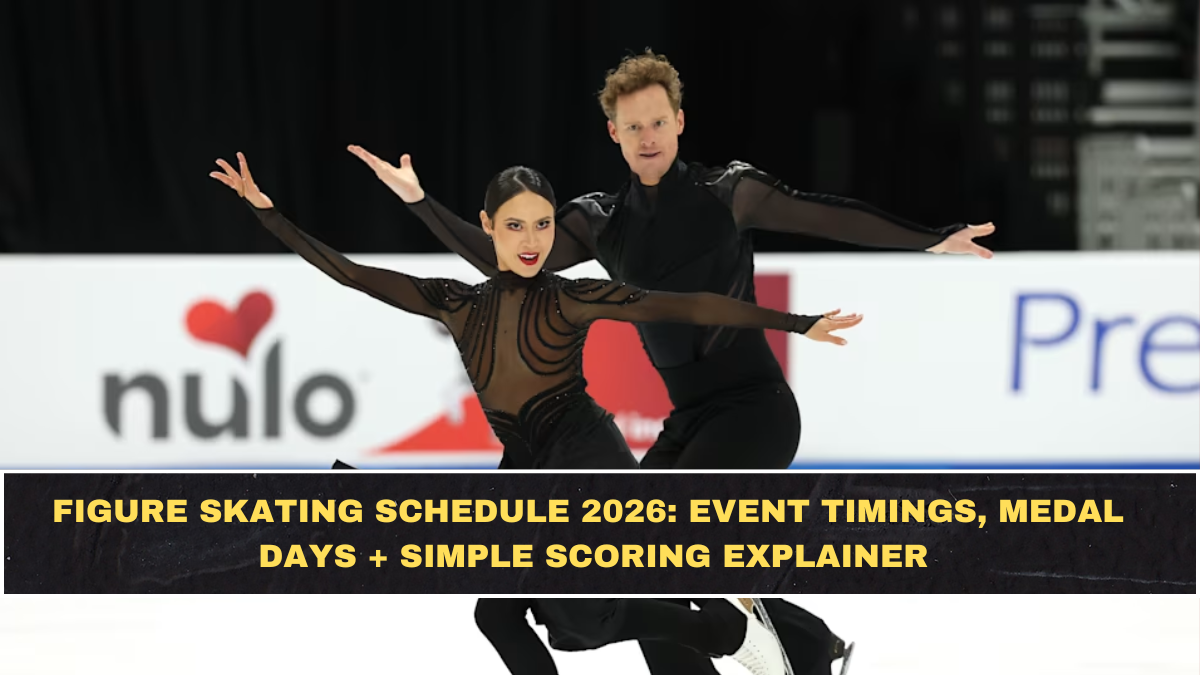
Figure skating remains one of the most watched and visually captivating events of the Winter Games, and interest in the Winter Olympics 2026 figure skating schedule has increased as viewers track medal events, performance timings, and judging rules. Unlike many other sports, figure skating combines athletic skill with artistic performance, making it both a competitive and entertainment-driven event. Fans closely follow performance schedules because results are determined across multiple rounds rather than a single match.
Understanding the Winter Olympics 2026 figure skating schedule helps viewers track athlete progression from early rounds to final medal events. The competition includes several categories, each spread across different days, which means missing one segment can make it difficult to understand final rankings. This guide explains the complete structure of the Winter Olympics 2026 figure skating schedule, covering event categories, timing flow, medal stages, and a simple explanation of how scoring works.
Events Included in the Winter Olympics 2026 Figure Skating Schedule
The Winter Olympics 2026 figure skating schedule includes multiple disciplines that test different aspects of skating ability, coordination, and performance quality. Each category focuses on unique technical and artistic requirements, which makes the competition diverse and engaging for viewers.
The major figure skating events include:
-
Men’s Singles Competition
-
Women’s Singles Competition
-
Pair Skating Competition
-
Ice Dance Competition
-
Team Event Competition
Each event follows a multi-stage structure where athletes perform short programs and free skating routines. These performances are scored separately and combined to determine final standings. Because events occur across multiple days, following the Winter Olympics 2026 figure skating schedule helps viewers understand how scores build toward medal results.
Competition Format and Event Progression
The structure of the Winter Olympics 2026 figure skating schedule typically begins with short program performances, followed by free skating rounds. The short program tests technical precision and required elements, while the free skating segment allows athletes more creative expression and complex routines.
Athletes must qualify from the initial rounds based on performance scores. Only top-ranked competitors advance to the final stages where medals are decided. This progressive structure ensures that consistency and performance quality across multiple sessions determine winners, rather than a single performance outcome.
Following event progression closely is important because rankings can change dramatically between segments. A strong free skating performance can significantly impact final results, making the full Winter Olympics 2026 figure skating schedule essential for viewers tracking medal contenders.
Event Timings and Medal Days
Event timings in the Winter Olympics 2026 figure skating schedule are distributed across the tournament period to allow recovery time for athletes and ensure fair competition. Each discipline has specific days assigned for short programs and final performances that determine medal positions.
Medal events usually take place after the completion of both program segments, with final rankings announced shortly after the last performance. Because competitions follow the host country’s local time, international viewers must convert timings to their regional time zones.
Daily schedule tracking is essential for fans who want to watch decisive performances live. Many viewers prioritize final rounds and medal days because they feature the highest scoring routines and the most intense competition.
How Figure Skating Scoring Works
Understanding the scoring system helps viewers interpret results within the Winter Olympics 2026 figure skating schedule more clearly. Judges evaluate performances based on two main components: technical elements and artistic presentation.
Technical scores measure execution of jumps, spins, and footwork sequences. Artistic scores assess performance quality, choreography, musical interpretation, and overall presentation. Deductions may apply for errors such as falls or incomplete movements.
Final scores combine both technical and artistic components from each performance segment. The athlete or team with the highest total score wins the event. This scoring structure ensures balance between athletic skill and artistic expression, which makes figure skating unique among Olympic sports.
Most Anticipated Figure Skating Events
Certain events in the Winter Olympics 2026 figure skating schedule typically attract higher global viewership due to performance quality and competitive intensity. Women’s singles and men’s singles events often draw strong attention because they feature technically complex routines and dramatic score variations.
Pair skating and ice dance competitions also generate significant interest due to synchronized movements and artistic storytelling. Team events add another layer of excitement by combining performances from multiple disciplines to determine overall national rankings.
Tracking these high-interest competitions helps viewers focus on the most competitive segments of the Winter Olympics 2026 figure skating schedule, especially when multiple events occur on the same day.
Why Figure Skating Attracts Global Attention
Figure skating stands out because it blends sport and performance art, creating emotional connection with audiences. The sport requires years of technical training, physical strength, and artistic development, which makes Olympic performances highly refined and competitive.
The Winter Olympics 2026 figure skating schedule reflects this global appeal by spreading events across multiple days and showcasing different skating styles. Each performance represents both athletic achievement and creative expression, which explains the sport’s consistent popularity across international audiences.
Conclusion: Following the Winter Olympics 2026 Figure Skating Schedule
The Winter Olympics 2026 figure skating schedule provides a clear structure for one of the most elegant and competitive events of the Winter Games. From short programs to final medal performances, each stage plays a crucial role in determining champions. Understanding event timing, scoring rules, and competition structure helps viewers follow results with confidence.
As athletes compete across multiple disciplines, the schedule delivers continuous action and dramatic performances. Tracking each stage ensures that fans experience the full journey from early rounds to medal celebrations. For sports followers and new viewers alike, understanding the Winter Olympics 2026 figure skating schedule makes the competition more engaging and meaningful.
FAQs
What events are included in the Winter Olympics 2026 figure skating schedule?
The schedule includes men’s singles, women’s singles, pair skating, ice dance, and team competitions, each conducted across multiple performance rounds.
How are figure skating winners decided?
Winners are determined based on combined scores from technical elements and artistic performance across short and free skating segments.
When are medal winners announced in figure skating?
Medal winners are announced after final performances are completed and total scores are calculated for each event.
Why do figure skating events happen on multiple days?
The competition includes separate program segments that require rest periods and allow judges to evaluate performances fairly.
What makes figure skating different from other Olympic sports?
Figure skating combines athletic skill with artistic performance, making scoring based on both technical execution and presentation quality.