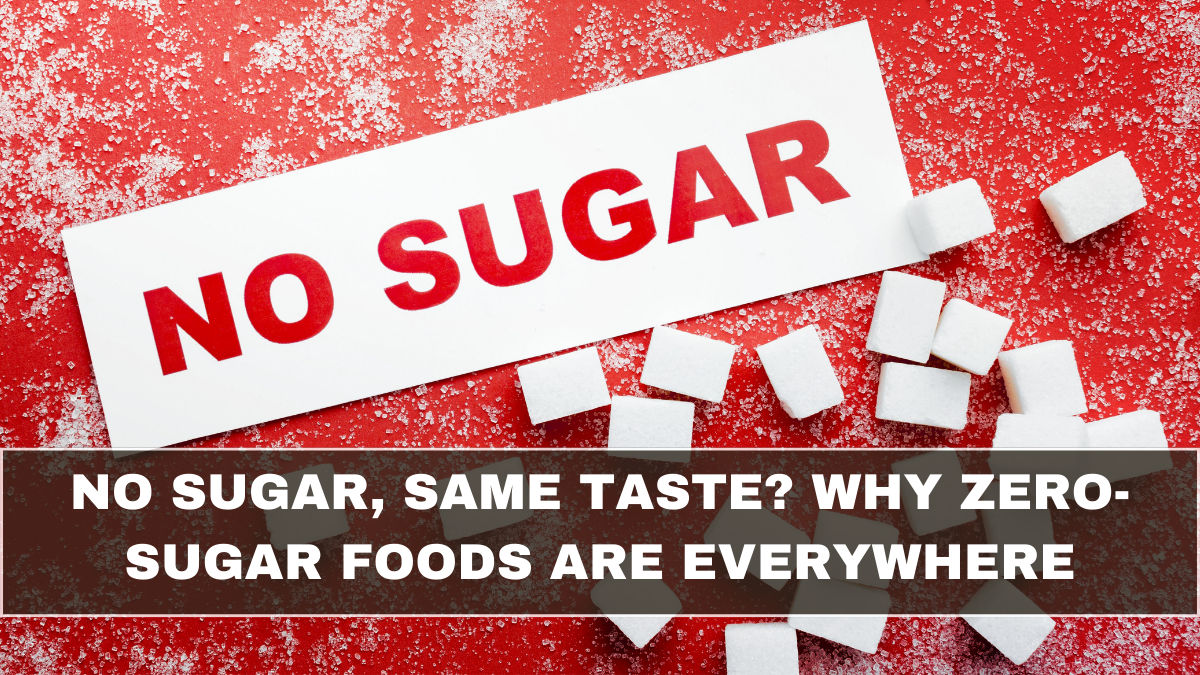
The rapid rise of Zero sugar foods India reflects a major shift in how Indians think about health, diet, and daily consumption. From biscuits and chocolates to soft drinks and protein bars, supermarket shelves are now filled with products claiming “no added sugar” or “zero sugar.” This growing demand is driven by changing food trends, rising health awareness, and concerns around lifestyle diseases.
As more consumers look for smarter choices, Zero sugar foods India have become a symbol of modern healthy eating—but many still wonder whether these products truly deliver on their promises.
Why Zero-Sugar Foods Are Trending in India
The popularity of Zero sugar foods India is closely linked to rising health consciousness. Indians are increasingly aware of the connection between excessive sugar intake and long-term health issues.
Key factors driving this trend include:
• Rising cases of diabetes and obesity
• Increased fitness and wellness awareness
• Influence of global food trends
• Urban lifestyle changes
• Easy availability of zero-sugar alternatives
As labels become more transparent, consumers are actively comparing sugar content and opting for perceived healthier choices.
What Does “Zero Sugar” Actually Mean?
One of the biggest misunderstandings around Zero sugar foods India is the label itself. “Zero sugar” does not always mean the product is completely free of sweetness.
In most cases, zero-sugar products:
• Contain artificial or natural sweeteners
• Replace sugar with stevia, sucralose, or aspartame
• Have minimal natural sugars from ingredients
• Meet regulatory limits for “zero sugar” claims
Understanding this distinction is essential for making informed healthy eating decisions.
Popular Zero-Sugar Foods in India
The Zero sugar foods India market has expanded across multiple categories. What started with diet beverages has now entered everyday snacks and staples.
Popular zero-sugar products include:
• Soft drinks and flavored waters
• Biscuits and cookies
• Chocolates and desserts
• Protein bars and supplements
• Breakfast cereals
• Ice creams and frozen treats
These products cater to consumers who want indulgence without guilt, aligning with evolving food trends.
Are Zero-Sugar Foods Actually Healthier?
This is the most debated question around Zero sugar foods India. While cutting added sugar can reduce calorie intake, it does not automatically make a product healthy.
Important considerations include:
• Overall ingredient quality
• Presence of artificial additives
• Fat and sodium content
• Portion sizes
• Frequency of consumption
Zero sugar does not always equal nutritious, and moderation remains key to healthy eating.
The Role of Artificial Sweeteners
Artificial and natural sweeteners are central to the Zero sugar foods India boom. These substitutes provide sweetness without calories, but they come with mixed opinions.
Common sweeteners used include:
• Stevia
• Sucralose
• Aspartame
• Monk fruit extract
• Sugar alcohols
While regulatory authorities approve these sweeteners within limits, excessive consumption may raise digestive or sensitivity concerns for some individuals.
How Zero-Sugar Foods Fit Into Indian Diets
Indian diets are traditionally rich in carbohydrates and natural sugars. The integration of Zero sugar foods India into daily meals reflects changing preferences rather than complete dietary shifts.
These products are often used:
• As occasional treats
• During weight management phases
• By diabetics monitoring sugar intake
• By fitness-conscious individuals
• As substitutes for sugary cravings
They support controlled indulgence rather than replacing whole, natural foods.
Marketing vs Reality in Zero-Sugar Products
The success of Zero sugar foods India is also fueled by strong marketing. Labels emphasizing “guilt-free” and “healthy” influence consumer perception.
However, smart consumers are now:
• Reading nutrition labels carefully
• Checking ingredient lists
• Comparing calorie counts
• Understanding sweetener types
• Looking beyond front-label claims
This awareness is reshaping food trends toward transparency and informed choice.
Impact on Weight Loss and Blood Sugar
For individuals managing weight or blood sugar levels, Zero sugar foods India can offer benefits when used correctly.
Potential advantages include:
• Reduced calorie intake
• Better blood sugar control
• Lower insulin spikes
• Support during diet transitions
However, relying solely on zero-sugar products without overall dietary balance may limit long-term results.
The Future of Zero-Sugar Foods in India
The future of Zero sugar foods India looks strong as demand for healthier alternatives continues to grow. Brands are investing in cleaner labels and improved taste profiles.
Future developments may include:
• More natural sweetener options
• Cleaner ingredient lists
• Expansion into traditional Indian snacks
• Increased regulatory clarity
• Greater consumer education
As healthy eating becomes mainstream, zero-sugar options will likely evolve rather than disappear.
Conclusion
The surge of Zero sugar foods India highlights India’s growing focus on health, moderation, and mindful consumption. While these products offer a useful alternative for reducing sugar intake, they are not a magic solution. True healthy eating still depends on balanced diets, portion control, and informed choices. Zero-sugar foods work best as part of a thoughtful lifestyle, not as a replacement for whole, natural nutrition.
FAQs
What are zero sugar foods?
They are products with no added sugar, often sweetened using sugar substitutes.
Are zero sugar foods safe to eat daily?
They are generally safe in moderation but should not replace whole foods.
Do zero sugar foods help with weight loss?
They can support calorie control, but overall diet quality matters more.
Are zero sugar foods suitable for diabetics?
Many diabetics use them, but label reading and moderation are important.
Are zero sugar foods completely sugar-free?
Not always—some contain natural sugars or sugar substitutes.
Click here to know more.