
The YouTube demonetization surge has become impossible to ignore in 2026. Creators across niches—news, commentary, education, gaming, and even lifestyle—are reporting sudden monetization removals on videos that previously earned ad revenue without issues. What’s different this time is the scale and speed. Videos are getting limited ads or zero ads within minutes of upload, often without a clear explanation.
For creators who depend on ad revenue, this feels less like moderation and more like roulette. Upload the same format, same tone, same topic—and one video earns, while the next gets flagged. Complaints are piling up, and trust in the monetization system is eroding fast.

Why the YouTube Demonetization Surge Is Happening in 2026
The primary driver behind the YouTube demonetization surge is automation. YouTube’s ad-safety systems now rely heavily on real-time classification models that scan titles, thumbnails, audio, captions, and early viewer signals almost instantly.
Key changes pushing the surge:
• Faster automated checks before human review
• Broader “brand safety” definitions
• Aggressive risk-avoidance by advertisers
• Reduced tolerance for borderline topics
In practice, this means content doesn’t need to break rules to lose ads—it only needs to look risky to the system.
Which Content Types Are Getting Hit First
Creator complaints show clear patterns. Certain formats are being flagged disproportionately, even when handled responsibly.
High-risk categories include:
• News commentary with breaking events
• True crime and documentary-style videos
• Political analysis (even neutral)
• Social issues and public debates
• Reaction videos with strong language
The issue isn’t misinformation—it’s uncertainty. Advertisers prefer predictable environments, and YouTube is enforcing that preference aggressively.
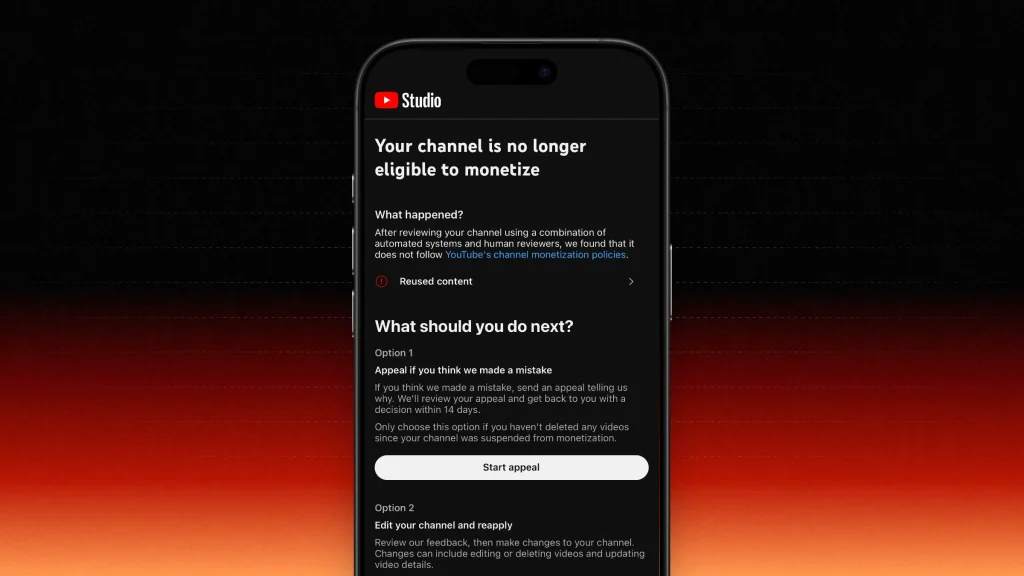
Why Creators Feel Blindsided by Demonetization
What’s fueling anger isn’t just lost money—it’s opacity. Creators often receive vague notices like “limited ads” without a precise reason.
Common frustrations include:
• No clear explanation of what triggered the flag
• Appeals taking days or weeks
• Revenue lost even if appeal succeeds
• Inconsistent outcomes for similar videos
By the time monetization is restored, the video’s peak traffic window is gone—making the appeal feel pointless.
How Ad Revenue Is Being Affected in Real Terms
The YouTube demonetization surge is changing how creators earn, not just how often.
Real-world impacts:
• Sudden drops in RPM despite stable views
• Income volatility from week to week
• Increased reliance on sponsors
• Reduced incentive to cover serious topics
For mid-sized creators, this instability can be more damaging than low views. Predictability matters more than peaks.
Why YouTube Prioritizes Advertisers Over Creators
This isn’t personal—it’s structural. YouTube’s business depends on advertiser confidence.
From YouTube’s perspective:
• One advertiser boycott costs more than thousands of creators
• Brand safety complaints carry legal and reputational risk
• Automation scales better than manual review
So when in doubt, the system chooses to demonetize first and ask questions later. The YouTube demonetization surge is a byproduct of that risk calculus.
How Creators Are Adapting Their Content Strategy
Creators aren’t waiting for policy clarity—they’re changing behavior.
Common adaptations:
• Softer language in the first 30 seconds
• Avoiding sensitive keywords in titles
• Neutral thumbnails with less emotion
• Posting “safe” videos to stabilize income
Some creators are even splitting content—one version for YouTube ads, another for platforms with fewer restrictions.
The Rise of Non-Ad Monetization
As trust in ads declines, creators are diversifying fast.
Growing alternatives include:
• Direct sponsorships
• Channel memberships
• Paid communities and newsletters
• Merchandise and courses
The YouTube demonetization surge is accelerating a shift away from ad dependence—even for creators who once relied on it fully.
Why Appeals Aren’t Fixing the Core Problem
While appeals can restore monetization, they don’t address the underlying volatility.
Limitations of appeals:
• Slow response times
• No guarantee of future protection
• Same video may get flagged again
• Policy interpretations change silently
Creators feel like they’re playing a game with rules that move constantly.
What This Means for the Future of Creator Income
The long-term implication is clear: ad revenue alone is no longer a stable foundation.
Looking ahead:
• Fewer creators will rely solely on ads
• Content will skew toward “safe” topics
• Independent platforms will gain appeal
• Creator–platform tension will increase
The YouTube demonetization surge isn’t a temporary glitch—it’s a structural shift.
Conclusion
The YouTube demonetization surge in 2026 has exposed a widening gap between creators and the platform they helped build. While YouTube optimizes for advertiser comfort, creators are left managing uncertainty, income swings, and opaque decisions.
Those who adapt—by diversifying income and adjusting formats—will survive. Those who depend purely on ads will feel the squeeze hardest. The era of predictable YouTube ad revenue is ending, and creators already know it.
FAQs
Why are more YouTube videos getting demonetized in 2026?
Because automated brand-safety systems have become stricter and faster, flagging risk more aggressively.
Does demonetization mean the video broke rules?
Not always. Many videos are limited due to perceived advertiser risk, not policy violations.
Do appeals actually restore ad revenue?
Sometimes, but often too late to recover lost earnings from the initial traffic spike.
Which creators are most affected by demonetization?
News, commentary, social issues, and reaction channels are hit the hardest.
Is YouTube ad revenue still reliable for creators?
It’s becoming less predictable, pushing creators toward diversified income sources.