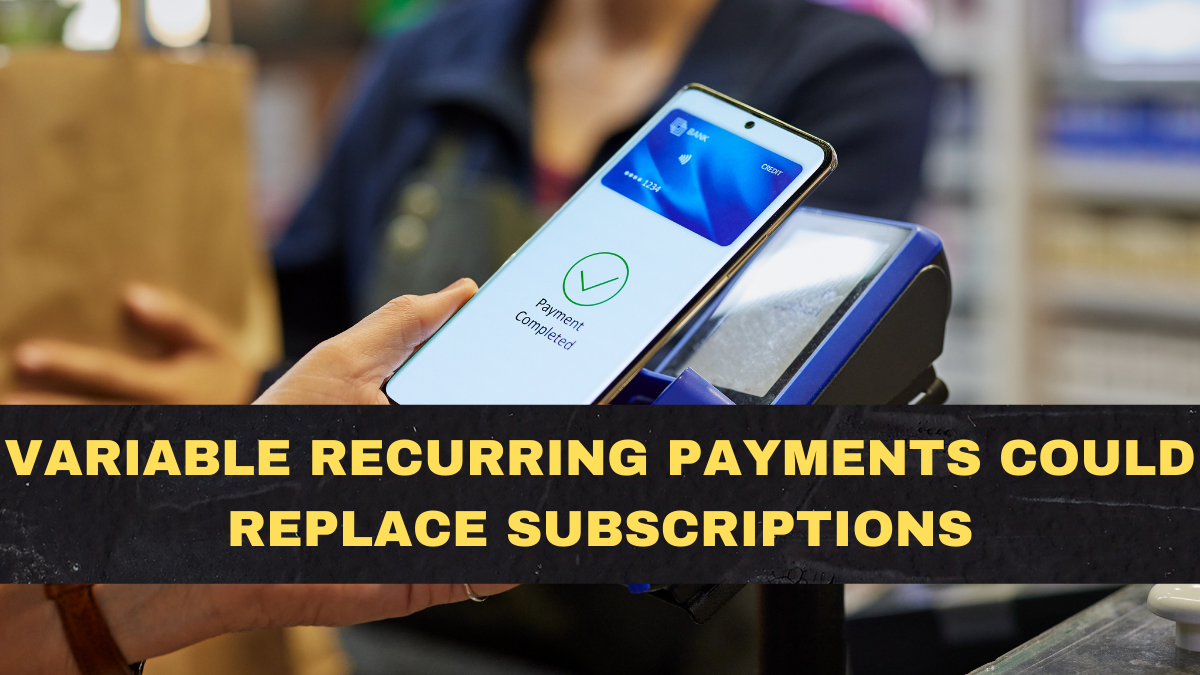
Variable recurring payments are quietly rewriting one of the most broken systems in digital commerce: subscriptions. For years, consumers have tolerated rigid monthly charges, hidden renewals, failed cancellations, and surprise bills. In 2026, that model is finally being challenged by a smarter alternative built on open banking rails.
Instead of fixed subscriptions that charge the same amount every cycle, variable recurring payments allow flexible, rule-based billing that adjusts to actual usage, real balances, and user-defined limits. The shift is subtle, but powerful. It moves control away from merchants and back to consumers.
This isn’t just a billing upgrade. It’s a redesign of how recurring payments should work in a fair digital economy.
What Variable Recurring Payments Actually Are
Variable recurring payments (VRPs) are authorization-based payment agreements that allow merchants to pull funds from a customer’s account within predefined rules, rather than fixed amounts on fixed dates.
Instead of “₹999 every month,” VRPs allow:
• Charging only for what was actually used
• Setting maximum caps per period
• Pausing or reducing payments dynamically
• Running usage-based billing without cards
The user authorizes a range, not a rigid subscription.
This model is built primarily on open banking VRP frameworks, where banks allow controlled, API-based payment pulls with consumer permission.
Why Subscriptions Are Losing Consumer Trust
Traditional subscriptions failed consumers in predictable ways.
Common problems include:
• Difficult cancellation processes
• Silent renewals after trials
• Charges continuing after service stops
• Fixed pricing that ignores usage
• Confusing billing cycles
As subscription fatigue rises, regulators and banks are pushing for models that offer real subscription control instead of one-click traps.
Variable recurring payments directly address these failures.
How Open Banking VRP Makes This Possible
Open banking VRP frameworks allow merchants to request payments directly from bank accounts under strict consent rules.
Here’s how it works:
• User authorizes a merchant for recurring pulls
• Sets limits on amount and frequency
• Bank enforces those limits automatically
• Merchant pulls only allowed amounts
• User can revoke access instantly
No cards. No stored credentials. No hidden renewals.
The bank becomes the enforcer of consumer protection.
Why This Model Is Better Than Subscriptions
Variable recurring payments fix the biggest flaws in subscriptions.
They give users:
• Spending caps instead of blank cheques
• Visibility into upcoming charges
• Real-time revocation controls
• Usage-based fairness
• No card expiry failures
They give merchants:
• Higher trust from customers
• Lower churn from surprise bills
• Fewer disputes and chargebacks
• Stable authorization flows
Everyone wins — except businesses built on dark billing patterns.
Where VRPs Are Being Adopted First
Not every industry benefits equally from variable recurring payments.
Early adoption is strongest in:
• Utilities and energy billing
• Telecom and data services
• SaaS and cloud platforms
• Streaming with usage tiers
• Financial services subscriptions
These sectors already track usage closely. VRPs simply connect billing to reality.
How Subscription Control Improves Consumer Behavior
When users regain control, behavior changes.
Consumers start:
• Choosing usage-based plans
• Monitoring spending more closely
• Trusting merchants more
• Reducing impulsive subscriptions
• Keeping long-term relationships
Instead of canceling aggressively, users stay longer because billing feels fair.
That’s a structural improvement, not a cosmetic one.
What Changes for Merchants and Platforms
Merchants must redesign billing logic completely.
Major shifts include:
• Moving from fixed to dynamic pricing
• Building usage tracking infrastructure
• Integrating open banking rails
• Designing consent management systems
• Supporting pause, cap, and throttle logic
This is harder than subscriptions — but more sustainable.
Platforms that adapt early gain reputational advantage in a market tired of billing tricks.
Why Regulators Are Supporting VRPs
Regulators increasingly view subscriptions as a consumer harm vector.
Variable recurring payments solve:
• Unauthorized renewals
• Hard-to-cancel billing
• Hidden price increases
• Dispute-heavy models
By embedding controls at the bank level, VRPs reduce regulatory burden and enforcement costs.
That’s why central banks and payment authorities are actively standardizing VRP frameworks in 2026.
What This Means for the Future of Subscriptions
Subscriptions won’t disappear — but their dominance will shrink.
In the future:
• Fixed subscriptions survive only for simple services
• Usage-based billing becomes default
• Banks control authorization logic
• Consumers manage billing rules centrally
• “Cancel anytime” becomes real
The power balance shifts permanently.
Conclusion
Variable recurring payments represent one of the most consumer-friendly payment innovations in years. By replacing rigid subscriptions with rule-based, usage-aware billing, they restore fairness, transparency, and control to recurring payments.
In 2026, the question is no longer “Which subscription should I cancel?”
It’s “Why am I still on subscriptions at all?”
The era of blind billing is ending. The era of controlled payments is beginning.
FAQs
What are variable recurring payments?
They allow merchants to pull flexible, rule-based payments from bank accounts instead of fixed subscription charges.
How are VRPs different from subscriptions?
VRPs use spending limits, usage-based billing, and bank-enforced controls instead of fixed monthly charges.
Are variable recurring payments safer than cards?
Yes. Banks enforce limits, permissions, and revocation directly, reducing fraud and unauthorized charges.
Can users cancel VRPs easily?
Yes. Users can revoke access instantly through their bank or wallet interface.
Will subscriptions disappear because of VRPs?
Not completely, but many usage-based services will shift away from fixed subscriptions over time.
Click here to know more.