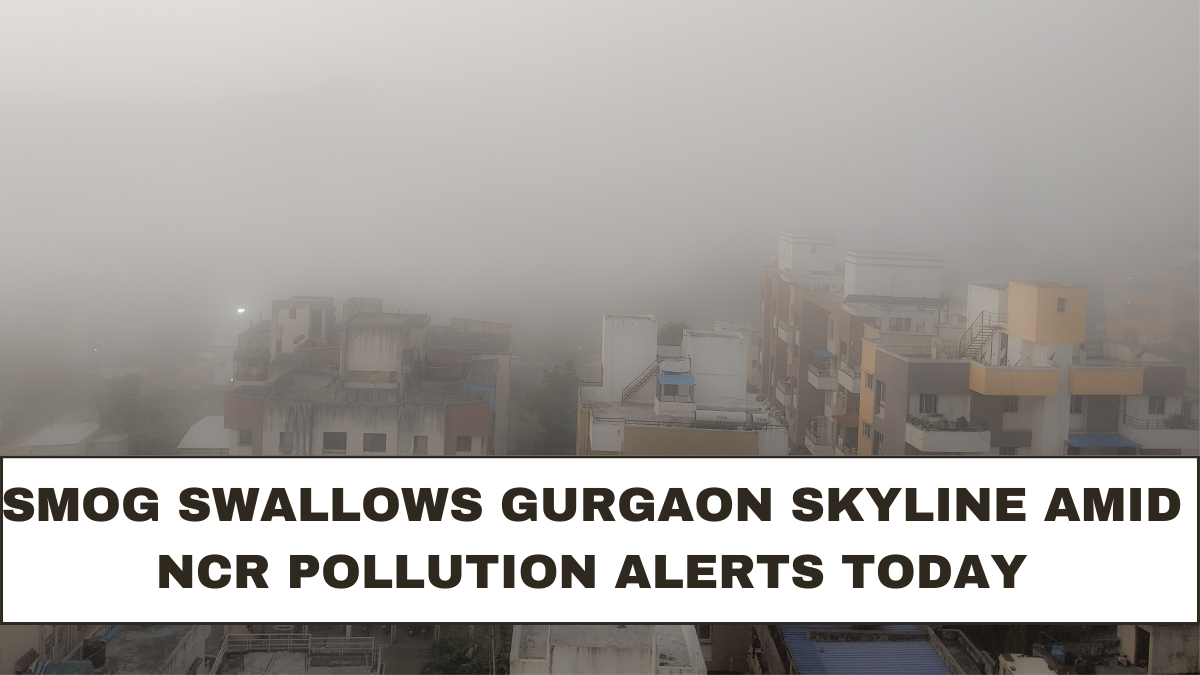
The Delhi NCR smog alert viral situation has once again drawn national attention as thick smog engulfed parts of Gurgaon, including the DLF Camellias area. Residents woke up to hazy skies, low visibility and a sharp rise in air pollution levels, triggering widespread concern across the National Capital Region. Images and videos shared online quickly made the Delhi NCR smog alert viral, highlighting the seriousness of the air quality crisis.
As pollution alarms rise, conversations around air pollution and health risks are dominating public discourse.
Why the Gurgaon Smog Situation Is Going Viral
The rapid spread of visuals from Gurgaon made the Delhi NCR smog alert viral within hours. The sudden disappearance of the skyline shocked residents and social media users alike.
Key reasons behind the virality include:
• Extremely low visibility conditions
• High pollution readings reported
• Residential high-rises disappearing in smog
• Public health concerns
• Widespread sharing on social platforms
These factors pushed the smog situation into the national spotlight.
What Residents Are Experiencing on the Ground
In areas like DLF Camellias, the smog reduced visibility to alarming levels. The Delhi NCR smog alert viral footage showed buildings barely visible even during daylight hours.
Common experiences reported include:
• Burning eyes and throat irritation
• Difficulty breathing outdoors
• Reduced visibility while driving
• Strong smell of pollution
• Increased use of masks and air purifiers
These conditions raised serious health concerns among residents.
Main Causes Behind the Sudden Smog Spike
The Delhi NCR smog alert viral episode is linked to a combination of environmental and human factors that worsen air pollution.
Major contributors include:
• Vehicular emissions
• Construction dust
• Industrial pollution
• Weather conditions trapping pollutants
• Seasonal environmental factors
Together, these elements create a dense layer of smog over the region.
How Air Pollution Impacts Daily Life in NCR
The rising air pollution levels associated with the Delhi NCR smog alert viral situation have disrupted everyday routines.
Key impacts include:
• Health advisories limiting outdoor activity
• School warnings for children
• Increased traffic risk due to low visibility
• Higher medical consultations
• Reduced outdoor exercise
These disruptions highlight the seriousness of recurring pollution episodes.
Health Risks Linked to Severe Smog Exposure
Medical experts warn that exposure during Delhi NCR smog alert viral conditions can have both short-term and long-term health effects.
Potential risks include:
• Respiratory issues
• Worsening asthma symptoms
• Eye and skin irritation
• Headaches and fatigue
• Increased cardiovascular stress
Children, elderly individuals and those with existing conditions are especially vulnerable.
Role of Weather in Smog Formation
Weather plays a crucial role in the Delhi NCR smog alert viral situation. Calm winds and low temperatures often trap pollutants close to the ground.
Weather-related factors include:
• Low wind speed
• Temperature inversion
• High moisture levels
• Reduced dispersion of pollutants
These conditions allow air pollution to accumulate rapidly.
Social Media Reaction to Gurgaon Smog
The Delhi NCR smog alert viral moment gained momentum as residents shared real-time visuals and concerns online.
Popular reactions included:
• Shock at reduced visibility
• Anger over pollution control measures
• Health-related warnings
• Calls for stricter regulations
• Discussions on long-term solutions
Social platforms amplified public awareness of the crisis.
Government and Public Response to Pollution Alerts
Authorities issued advisories as the Delhi NCR smog alert viral situation escalated. Residents were urged to limit outdoor exposure and follow safety guidelines.
Common advisories include:
• Avoid strenuous outdoor activity
• Use masks when outside
• Keep windows closed
• Use air purifiers indoors
• Stay updated with pollution alerts
These measures aim to reduce health risks during peak pollution.
Long-Term Concerns Over NCR Air Quality
Recurring Delhi NCR smog alert viral episodes raise questions about long-term solutions to air pollution in the region.
Key concerns include:
• Sustainable urban planning
• Emission control enforcement
• Public transport expansion
• Cleaner energy adoption
• Long-term health impact
Without structural changes, such smog episodes may continue.
What This Smog Episode Teaches Us
The Delhi NCR smog alert viral incident serves as a reminder of the urgent need to address environmental challenges.
Important lessons include:
• Air quality directly affects public health
• Awareness must lead to action
• Individual and policy efforts are both crucial
• Monitoring and preparedness matter
• Long-term planning is essential
These insights are critical for improving regional health outcomes.
Conclusion
The Delhi NCR smog alert viral situation unfolding in Gurgaon underscores the ongoing air pollution crisis affecting millions. With visibility dropping and health concerns rising, the episode highlights the urgent need for sustainable solutions and stronger pollution control measures. As residents continue to share real-time updates, the smog crisis remains a powerful reminder of the link between environment and public health.
FAQs
What caused the Delhi NCR smog alert viral situation?
It was caused by high pollution levels combined with weather conditions that trapped pollutants.
Which areas were most affected?
Parts of Gurgaon, including DLF Camellias, experienced severe smog.
How does smog affect health?
It can cause breathing problems, eye irritation and worsen existing conditions.
What precautions should residents take?
Limit outdoor activity, wear masks and follow official advisories.
Is this a recurring problem in NCR?
Yes, similar smog episodes occur frequently due to ongoing air pollution issues.