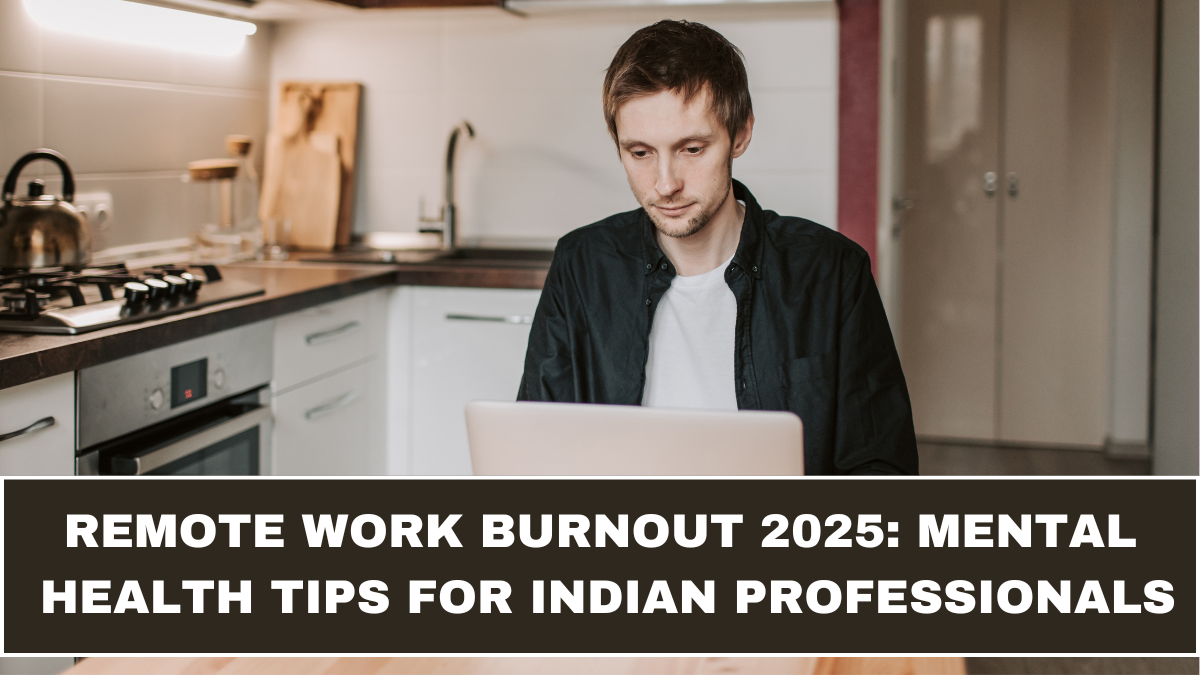
The rise of remote work in India has transformed professional lifestyles, offering flexibility, eliminating commutes, and enabling work-life balance in theory. However, as 2025 unfolds, mental health concerns among remote workers are becoming more prominent. Professionals are reporting burnout, stress, anxiety, and difficulty separating work from personal life. Understanding the causes and adopting coping strategies is essential for maintaining mental wellness in a remote work environment.

Why Remote Work Burnout Is Increasing in India
Remote work burnout occurs when employees feel overworked, isolated, or unable to disconnect from tasks. Several factors contribute to this trend among Indian professionals:
-
Blurred work-life boundaries: Home spaces often double as offices, making it difficult to “switch off.”
-
Extended working hours: Remote workers may respond to emails and calls beyond standard office times.
-
Lack of social interaction: Reduced collaboration and casual conversation can lead to feelings of isolation.
-
Technology overload: Continuous video calls and notifications contribute to fatigue.
-
High performance expectations: Pressure to demonstrate productivity while working remotely adds stress.
These factors make remote professionals in India prone to mental and emotional exhaustion.
Recognizing Burnout Symptoms
Identifying burnout early is crucial. Common signs include:
-
Physical fatigue: Persistent tiredness despite adequate rest
-
Mental exhaustion: Difficulty focusing, frequent forgetfulness, or decision paralysis
-
Emotional strain: Irritability, anxiety, or feelings of helplessness
-
Reduced motivation: Loss of interest in work and decreased performance
-
Sleep disturbances: Trouble falling asleep or staying asleep due to stress
Awareness of these symptoms allows individuals to take proactive steps before burnout worsens.
Effective Work-Life Boundaries for Remote Professionals
Creating boundaries between work and personal life is key to preventing burnout:
-
Dedicated workspace: Establish a separate area for work to mentally disconnect at day’s end.
-
Set working hours: Define start and end times, and communicate them with colleagues.
-
Scheduled breaks: Short breaks between tasks improve focus and reduce fatigue.
-
Offline periods: Switch off notifications after work to avoid digital overload.
-
Clear task priorities: Organize tasks using to-do lists or project management tools to avoid overcommitment.
Maintaining boundaries helps remote workers manage their time efficiently and reduce mental stress.
Mindfulness and Stress Management Techniques
Integrating wellness practices into daily routines is crucial for combating burnout:
-
Meditation: Short daily sessions can reduce anxiety and improve focus.
-
Breathing exercises: Techniques like box breathing or deep diaphragmatic breathing reduce stress.
-
Physical activity: Even light exercise or stretching alleviates tension and improves mood.
-
Journaling: Writing about challenges and achievements provides clarity and emotional relief.
-
Nature exposure: Regular walks or outdoor time enhance mental health and counter screen fatigue.
Mindfulness practices complement productivity, helping professionals stay balanced during remote work.
Technology Management to Reduce Digital Fatigue
Ironically, the same technology that enables remote work can contribute to burnout. Managing digital use is essential:
-
Limit video calls: Use audio calls when possible or reduce unnecessary meetings.
-
Batch notifications: Check emails and messaging apps at set intervals instead of constantly.
-
Use focus apps: Tools that block distractions help maintain concentration.
-
Ergonomic setup: Proper screen height, lighting, and posture reduce physical strain.
Smart technology management allows professionals to stay efficient without compromising mental wellbeing.
Building Social Support Networks
Social interaction is vital for emotional health. Remote professionals can combat isolation by:
-
Regular virtual coffee breaks: Short informal chats with colleagues strengthen connections.
-
Mentorship programs: Guidance and feedback reduce work anxiety.
-
Wellness communities: Joining online groups or forums for remote workers provides support.
-
Team-building exercises: Fun collaborative activities foster camaraderie.
A strong support system reduces the emotional toll of remote work and enhances resilience.
Employer’s Role in Combating Burnout
Organizations also play a critical role in mitigating remote work stress:
-
Flexible policies: Encouraging flexible hours and respecting personal time reduces pressure.
-
Mental health resources: Access to counseling, workshops, or apps supports employees.
-
Clear expectations: Transparent communication about deadlines and deliverables avoids confusion.
-
Regular check-ins: Managers maintaining empathetic contact detect early signs of burnout.
Employers prioritizing mental health help build sustainable remote work cultures.
Nutrition and Sleep for Mental Resilience
Maintaining healthy habits strengthens the mind and body:
-
Balanced diet: Protein, fruits, vegetables, and complex carbs support energy levels.
-
Hydration: Proper water intake improves cognitive function.
-
Sleep routine: Consistent bedtime schedules enhance focus and reduce fatigue.
-
Limit caffeine and sugar: Excess consumption can worsen anxiety and sleep problems.
Wellbeing routines complement stress management strategies, supporting long-term mental health.
Conclusion
Remote work burnout in India is a growing concern in 2025 as more professionals embrace digital flexibility. By establishing clear boundaries, practicing mindfulness, managing technology, seeking social support, and prioritizing sleep and nutrition, individuals can mitigate stress and maintain mental wellness. Employers also play a critical role in supporting remote staff. Together, these strategies ensure sustainable remote work practices that balance productivity and emotional health.
FAQs
What causes remote work burnout among Indian professionals?
Extended work hours, blurred boundaries, isolation, technology overload, and high performance expectations contribute to burnout.
How can professionals separate work and personal life?
Use a dedicated workspace, define work hours, schedule breaks, and switch off notifications after work.
What wellness practices help manage remote work stress?
Meditation, breathing exercises, physical activity, journaling, and nature exposure improve mental health.
Can social support reduce burnout?
Yes, regular interactions with colleagues, mentorship, and wellness communities reduce emotional strain.
What role do employers play in preventing burnout?
Flexible policies, mental health resources, clear expectations, and empathetic check-ins help employees maintain balance.