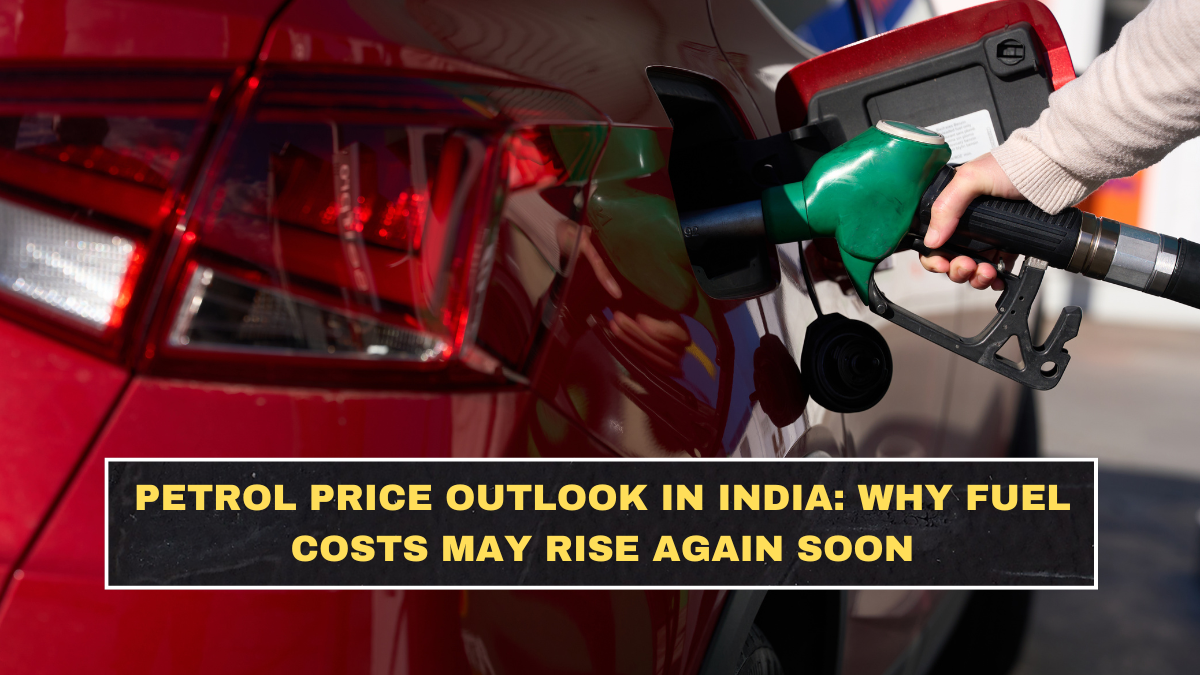
You might feel petrol prices are stable right now, but that stability is fragile. What most people don’t realize is that fuel prices in India are heavily dependent on global crude oil markets, and those markets are already showing signs of pressure.
Even a small increase in global crude prices can quickly reflect in domestic fuel rates. So if you think your fuel expenses are under control, you’re likely underestimating what’s coming next.
Why Does Petrol Price Matter More Than You Think?
Petrol is not just about filling your bike or car. It directly impacts almost every part of your daily life. From transport costs to food prices and delivery charges, fuel acts like a base cost that pushes everything else up.
When petrol prices rise, inflation follows. This means you end up paying more not just at petrol pumps, but also for groceries, travel, and basic services.
What Is Driving Petrol Prices Right Now?
The biggest factor behind petrol price movement is global crude oil pricing. India imports more than 80% of its crude oil, which makes it highly sensitive to international price changes.
Here are the key factors currently influencing fuel prices:
- Global crude oil price fluctuations due to supply-demand imbalance
- Geopolitical tensions in oil-producing regions like the Middle East
- Currency exchange rates (weaker rupee increases import cost)
- Refining and transportation costs
- Government taxes and duties
For example, even a $5–$10 per barrel increase in crude oil can significantly impact fuel prices in India.
How Do Crude Oil Prices Affect Petrol in India?
Crude oil is the raw material used to produce petrol and diesel. When crude prices rise globally, oil marketing companies (OMCs) in India face higher costs.
Crude Oil vs Petrol Price Impact (Simplified View)
| Crude Price (per barrel) | Impact on Petrol Price |
|---|---|
| $70–$80 | Stable pricing |
| $80–$90 | Gradual increase |
| $90–$100+ | Sharp increase likely |
This table shows how rising crude prices directly translate into higher fuel costs for consumers.
What’s Happening Globally Right Now?
Global oil markets are currently under pressure due to multiple factors. Supply cuts by oil-producing countries, ongoing geopolitical tensions, and fluctuating demand are all affecting crude oil prices.
Additionally, disruptions in shipping routes and uncertainty in global markets are increasing volatility. This means prices can rise suddenly without much warning.
What Should You Do to Manage Rising Fuel Costs?
You cannot control petrol prices, but you can control how much you spend on fuel.
Here are practical ways to reduce your fuel expenses:
- Plan trips efficiently to avoid unnecessary travel
- Maintain proper tire pressure to improve fuel efficiency
- Avoid aggressive driving and sudden acceleration
- Use public transport or carpool whenever possible
- Consider fuel-efficient or electric vehicles for long-term savings
Even small changes in driving habits can reduce fuel consumption by 10–15%.
What Mistakes Are Increasing Your Fuel Expenses?
Most people focus only on price, not usage.
Common mistakes include:
- Frequent short trips that consume more fuel
- Ignoring vehicle maintenance
- Driving at high speeds unnecessarily
- Not tracking monthly fuel spending
These habits quietly increase your fuel expenses over time.
What Should You Watch Next?
Fuel prices can change based on global crude movements, government decisions, and currency fluctuations. If crude oil continues to rise or geopolitical tensions increase, petrol prices may go up again.
Keeping an eye on global oil trends and domestic policy updates can help you stay prepared.
Reality Check: Will Petrol Prices Stay Stable?
No — stability in fuel prices is usually temporary.
India’s heavy dependence on imported crude oil means prices will always be influenced by global factors. Unless global crude prices drop significantly, long-term stability is unlikely.
Conclusion: What Should You Take Seriously Right Now?
Petrol prices are not just about today’s rate — they are about what’s building in the background.
Ignoring early signals like rising crude prices or global tensions can leave you unprepared for sudden cost increases. The smart move is to adjust your habits now instead of reacting later.
FAQs
Why are petrol prices linked to crude oil?
Because petrol is refined from crude oil, and India imports most of its crude from global markets.
Will petrol prices increase soon in India?
If global crude oil prices rise or geopolitical tensions increase, petrol prices may go up.
How can I reduce my fuel expenses?
Drive efficiently, maintain your vehicle, plan trips, and use public transport when possible.
Does the rupee affect petrol prices?
Yes, a weaker rupee increases the cost of importing crude oil, which can raise fuel prices.
Are petrol prices controlled by the government?
Prices are influenced by both global markets and government taxes/duties.
Click here to know more.