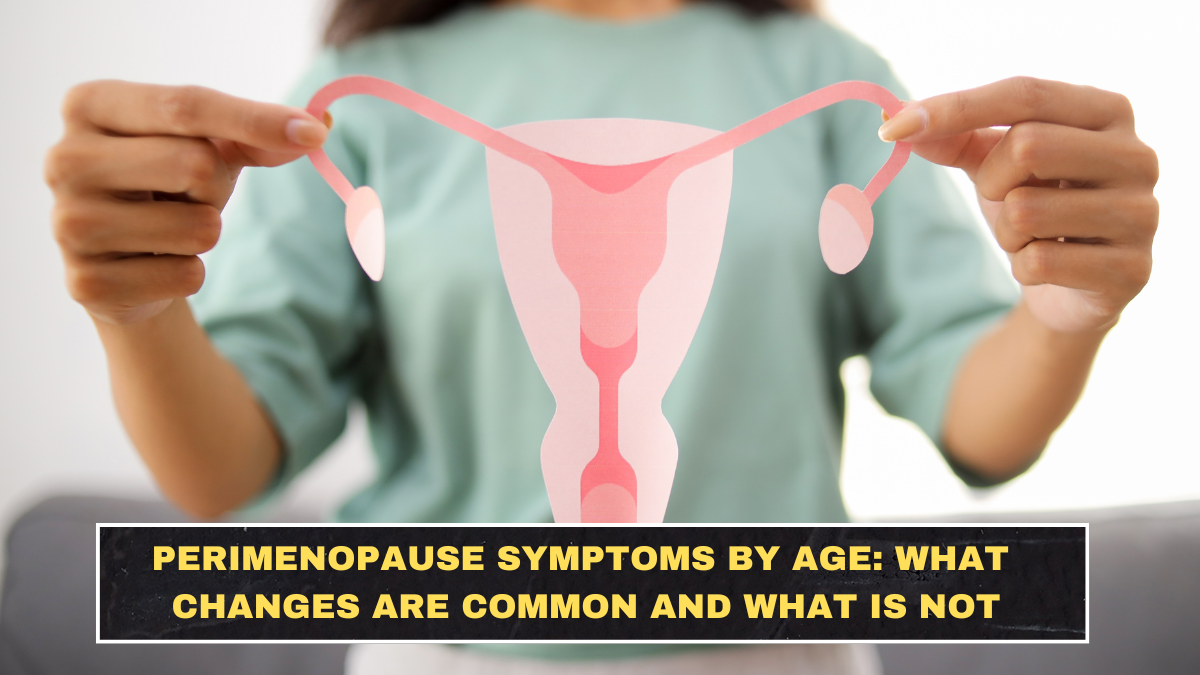
Perimenopause is the transition period before menopause, when hormone levels start fluctuating and the body begins moving toward the end of regular ovulation. A lot of women assume menopause starts only when periods stop completely, but that is wrong. Perimenopause can begin years earlier, and symptoms may show up while periods are still happening. Irregular cycles are often the first clue, but sleep problems, mood changes, hot flashes, and vaginal dryness can also begin before periods end for good. Menopause is only confirmed after 12 straight months without a period.
What symptoms are common in your late 30s and early 40s?
This is where many women get dismissed, and frankly, that is part of the problem. Perimenopause can start in the 40s for many women, but some notice changes as early as their 30s. In this stage, the most common early signs are changes in the normal pattern of periods, worse sleep, mood shifts, brain fog, and sometimes reduced libido. These symptoms can be inconsistent, which is exactly why many people second-guess themselves and assume stress is the only cause. Sometimes it is stress. Sometimes it is not. Pretending hormone changes cannot start yet just delays useful conversations with a doctor.
What usually changes in the mid-40s?
For many women, symptoms become more obvious in the mid-40s. Cycles may get shorter or longer, bleeding may become heavier or lighter, and skipped periods become more common. Hot flashes and night sweats may start showing up more regularly, and sleep can become worse even before obvious vasomotor symptoms begin. Mood swings, anxiety, poor concentration, and fatigue also become more noticeable for many women during this phase. The annoying part is that symptoms do not arrive in a neat order. One person may get hot flashes first, while another mainly notices sleep disruption and mental fog.
What is more common in the late 40s to early 50s?
This is the age range where perimenopause is often most disruptive. Official guidance commonly places the menopausal transition around ages 45 to 55, though timing varies. In this phase, irregular periods often become more dramatic, and skipped cycles may be followed by unexpectedly heavy bleeding. Hot flashes, night sweats, vaginal dryness, pain during sex, sleep problems, and mood changes are all common. This is also when many women start feeling like their body has become unpredictable, because symptoms can come and go without warning. That does not mean you are imagining it. It means hormone swings are rarely tidy.
What is not normal at any age?
This is where people get into trouble by normalizing everything. Not every symptom around this time should be brushed off as “just hormones.” Very heavy bleeding, bleeding after sex, bleeding between periods, or bleeding after menopause should be checked. Periods stopping completely before age 45 can point to early or premature menopause and should not be ignored. Severe depression, disabling anxiety, chest symptoms, or intense fatigue that is getting worse also deserve proper medical evaluation. Perimenopause is common, but using it as a lazy explanation for every symptom is bad medicine and bad judgment.
When should you talk to a doctor?
You should talk to a doctor when symptoms are affecting sleep, work, relationships, exercise, or daily functioning. You should also get medical advice if your periods change suddenly, become unusually heavy, or stop much earlier than expected. Doctors may use your age, symptom pattern, and cycle history to assess whether perimenopause is likely. In some situations, especially when periods stop early, testing may be considered to rule out other causes. The biggest mistake is waiting until you are miserable enough to break down. You do not need to earn medical help by suffering longer.
How should you think about symptoms by age?
Age can give context, but it should not be treated like a rigid rulebook. Symptoms in the early 40s are not “too early” just because someone else started later. Symptoms in the late 40s are not automatically harmless just because they are common. The smarter way to look at perimenopause is this: some changes are expected, but severity, timing, and disruption still matter. If symptoms are mild, you monitor them. If they are disruptive, unusual, or escalating, you get advice. That approach is more rational than either panicking over every change or dismissing everything for years.
FAQs
Can perimenopause start at 38 or 39?
Yes. While many women notice changes in their 40s, some start seeing symptoms in their late 30s. Irregular periods, sleep problems, and mood shifts can appear earlier than people expect.
Is irregular bleeding normal in perimenopause?
Some cycle irregularity is common, including skipped periods and changes in flow. But very heavy bleeding, bleeding between periods, or bleeding after menopause needs medical evaluation.
Are hot flashes always the first sign?
No. A lot of women think hot flashes are the main sign, but period changes are often the first clue. Sleep problems, mood changes, and brain fog can also show up early.
When is menopause official?
Menopause is officially reached after 12 consecutive months without a menstrual period. Until then, if symptoms are happening and periods have not fully stopped, you are generally still in perimenopause.
Click here to know more