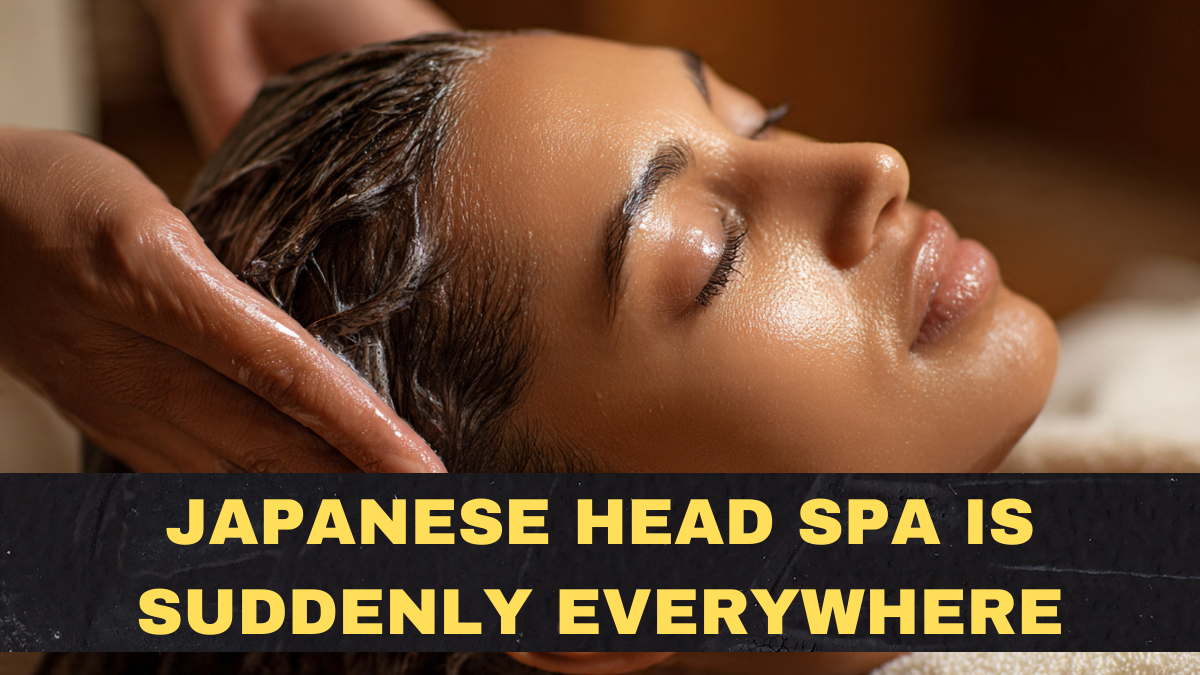
The japanese head spa trend is one of the fastest-growing wellness movements of 2026 — and it didn’t rise quietly. Across major cities, salon waitlists are filling weeks in advance, influencers are filming hypnotic wash rituals, and clients are walking out describing it as “therapy for the nervous system, not just the scalp.” What began as a niche grooming practice in Japan has suddenly become a global obsession.
This isn’t about hair styling or luxury pampering. The demand surge is driven by something deeper: burnout, stress overload, and a new understanding that scalp health sits at the intersection of mental calm and hair wellness. In 2026, scalp therapy is no longer cosmetic. It’s functional wellness.
Why the Japanese Head Spa Trend Exploded So Fast
The rise of the japanese head spa trend is directly tied to how overwhelmed people feel.
Three forces converged:
• Chronic digital stress and screen fatigue
• Growing awareness of scalp health and hair loss
• The demand for non-medical stress relief
Unlike massages or facials, head spa targets the nervous system through scalp stimulation. That combination of relaxation and visible hair benefits made it spread faster than traditional wellness services.
Once short-form videos started showing foam domes, water streams, and slow massage techniques, curiosity turned into bookings almost overnight.
What a Japanese Head Spa Session Actually Includes
This is not a simple shampoo.
A typical japanese head spa trend session includes:
• Scalp diagnosis and oil analysis
• Deep cleansing with enzyme or herbal formulas
• Steam infusion to open follicles
• Manual pressure massage techniques
• Water-flow scalp rinsing rituals
• Cooling or serum finishing treatments
The goal is not styling. It’s detoxifying the scalp, stimulating circulation, and calming the nervous system simultaneously.
That dual effect is why scalp therapy feels different from every other salon service.
Why Scalp Therapy Is Becoming a Mental Wellness Tool
The scalp contains thousands of nerve endings connected directly to the parasympathetic nervous system. When stimulated properly, it triggers deep relaxation responses.
Clients report:
• Lower anxiety after sessions
• Improved sleep the same night
• Reduced tension headaches
• A meditative, trance-like calm
This is why the japanese head spa trend is being framed less as beauty and more as nervous system regulation. In 2026, wellness services that calm the brain without medication are in extreme demand.
Hair Wellness Is Driving Long-Term Demand
The second engine behind the trend is hair health.
Modern hair problems are rising:
• Stress-induced hair fall
• Product buildup and inflammation
• Hormonal thinning
• Poor circulation to follicles
Scalp therapy improves:
• Blood flow to follicles
• Sebum balance
• Follicle oxygenation
• Product absorption
This directly supports hair wellness, not just surface shine. That’s why dermatologists and trichologists are increasingly recommending head spa treatments alongside medical routines.
Why Younger Clients Are Driving the Trend
Gen Z and young professionals are the fastest adopters.
They are:
• More stressed earlier in life
• More concerned about early hair thinning
• More open to ritual-based wellness
• Heavily influenced by visual platforms
Unlike older salon services, the japanese head spa trend is:
• Instagram-friendly
• Experience-driven
• Non-invasive
• Emotionally rewarding
It feels like self-care that actually does something.
What Makes Japanese Techniques Different From Regular Head Massage
Traditional head massage focuses on pressure relief. Japanese scalp therapy focuses on circulation, detox, and nerve calming.
Key differences:
• Slower rhythmic techniques
• Precise pressure points
• Water therapy integration
• Enzyme-based cleansing
• Long continuous sequences
This method activates both lymphatic drainage and vagus nerve pathways. That’s why sessions feel unusually calming compared to typical salon massages.
Is This Just Another Wellness Trend That Will Fade
Unlikely.
Here’s why the japanese head spa trend has structural support:
• Rising hair loss statistics
• Chronic stress epidemic
• Demand for non-pharma calm
• Repeat treatment benefits
• Premium service margins for salons
Unlike facials or nail trends, scalp therapy addresses a problem that is only increasing: stress-related hair and nervous system issues.
Why Salons Are Racing to Add Head Spa Rooms
From a business perspective, scalp therapy is perfect.
It offers:
• High per-session pricing
• Strong repeat bookings
• Low product wastage
• Differentiation from basic salons
• Long treatment time (higher revenue per client)
That’s why chains and independent studios alike are rapidly converting wash areas into dedicated head spa rooms.
What to Expect Before Booking Your First Session
First-time clients should know:
• Sessions last 45 to 90 minutes
• Hair will be fully washed and styled afterward
• You may feel sleepy or lightheaded briefly
• Results improve with repeated visits
This is not a one-time miracle. Hair wellness benefits accumulate gradually over weeks.
The Cultural Shift Behind the Trend
In 2026, wellness is moving away from:
• Intense workouts
• Extreme diets
• Aggressive treatments
Toward:
• Nervous system regulation
• Gentle therapies
• Sensory experiences
• Long-term balance
The japanese head spa trend fits perfectly into that shift.
Conclusion
The japanese head spa trend is not about luxury or pampering. It exists because modern life is overstimulating nervous systems and damaging scalps simultaneously. Scalp therapy offers something rare: visible hair improvement and invisible mental calm in one session.
In 2026, the most valuable wellness services are the ones that regulate stress quietly and consistently. That’s exactly why hair wellness and scalp therapy are no longer niche treatments — they are becoming foundational self-care.
The question now isn’t whether head spas will last.
It’s how soon they’ll become as common as facials.
FAQs
What is a Japanese head spa?
It is a scalp therapy treatment combining cleansing, massage, steam, and water rituals to improve scalp health and reduce stress.
Does scalp therapy help with hair loss?
It supports circulation and follicle health, which can reduce stress-related shedding and improve hair quality over time.
Is Japanese head spa only for women?
No. Men increasingly use scalp therapy for hair thinning, dandruff, and stress relief.
How often should you do scalp therapy?
Most experts recommend once every 2 to 4 weeks for visible hair wellness benefits.
Is the relaxation effect real or placebo?
It’s real. Scalp stimulation activates nerve pathways that directly calm the nervous system.
Click here to know more.