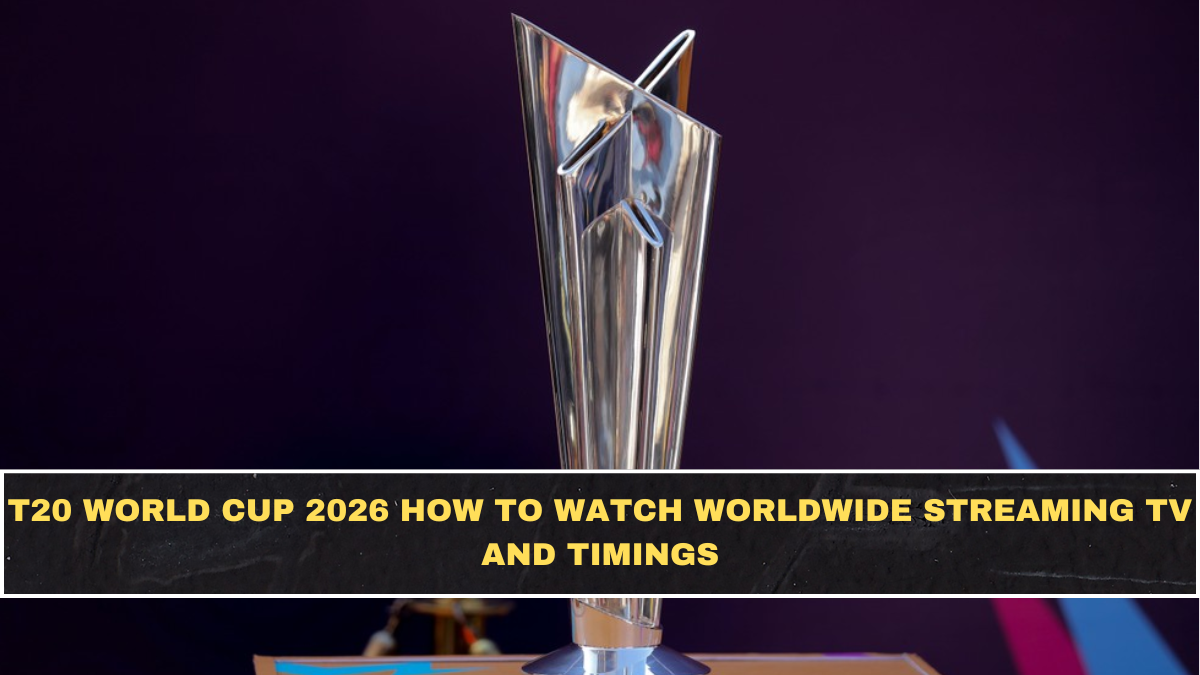
The T20 World Cup has grown into one of the most globally followed sporting events, and in 2026 the viewing experience is more fragmented than ever before. Fans are no longer just asking where the matches are happening, but how to watch them legally, reliably, and without missing key moments due to confusing schedules or platform restrictions. With matches spread across time zones and broadcasters, preparation matters.
For viewers trying to follow the ICC Men’s T20 World Cup 2026, knowing the right streaming service or TV channel in advance can make the difference between smooth viewing and last-minute scrambling. This guide focuses on clarity rather than hype, explaining how broadcasts are structured, how match timings work globally, and how fans can plan their viewing without relying on unsafe or unreliable sources.

How Global Broadcast Rights Are Structured in 2026
Broadcast rights for the T20 World Cup are sold region-wise, not globally through a single platform. This means the official way to watch depends entirely on where you are located. Each major market has designated TV partners and digital streaming platforms that hold exclusive rights.
This structure allows broadcasters to tailor coverage to local audiences, including language feeds, studio analysis, and region-specific schedules. At the same time, it creates confusion for viewers who travel, relocate, or follow international guides that do not apply to their country. Understanding this structure is the first step to avoiding misinformation.
How to Watch T20 World Cup 2026 in India
In India, official broadcasters provide both television and digital streaming options. Matches are scheduled to suit prime viewing windows whenever possible, especially for India fixtures and high-profile clashes. Pre-match shows and post-match analysis are also aligned with Indian audiences.
Indian viewers should rely only on official apps or TV channels linked to licensed broadcasters. These platforms provide stable streams, regional language options, and full match replays. Using unofficial streams not only risks poor quality but can also result in sudden dropouts during critical moments.
How to Watch in the UK, Australia, and Other Major Regions
In the UK, coverage is typically split between premium sports channels and their digital platforms, offering full live coverage along with highlights packages. Match start times are adapted for late evening or night viewing, depending on venue location.
Australian viewers usually receive both TV and app-based access, with early morning or daytime starts for some fixtures. Other regions, including parts of Europe, Africa, and Asia, follow similar models with local sports networks holding rights.
The key is to check region-specific listings rather than relying on global schedules, as broadcast access is geo-restricted.
Understanding Match Start Times and IST Conversions
One of the most common reasons fans miss matches is misunderstanding start times. Match timings are announced in local venue time and then converted by broadcasters into regional schedules. For Indian viewers, this means paying attention to IST listings rather than raw international times.
Double-headers, weekend fixtures, and knockout matches often have different start slots. Relying on a single assumed time pattern is risky. Checking the official matchday schedule daily is the safest way to stay aligned.
Streaming vs TV: What Works Better for Different Viewers
Streaming offers flexibility, mobile access, and on-demand replays, making it ideal for viewers who cannot watch live from start to finish. TV broadcasts, on the other hand, provide consistent quality and are better suited for uninterrupted viewing sessions.
In 2026, many fans use a hybrid approach, watching key matches live on TV while catching replays or highlights on streaming apps. Choosing what works best depends on your viewing habits rather than perceived quality alone.
How to Avoid Missing Key Matches or Moments
Planning ahead is essential. Mark important fixtures, especially group deciders and knockout games, in advance. Enable notifications on official apps to receive match alerts and lineup announcements.
Avoid relying on social media for live links, as these are often delayed, unreliable, or unsafe. Official platforms may require subscriptions, but they offer stability, legality, and full coverage that unofficial sources cannot match.
Conclusion: Watching Smart Is Part of the Experience Now
Watching the T20 World Cup in 2026 is no longer just about turning on the TV. It requires awareness of platforms, timing discipline, and smart planning. The tournament’s global scale has made access more diverse, but also more complex.
Fans who prepare in advance enjoy smoother viewing and avoid unnecessary frustration. By sticking to official broadcasters, understanding regional timings, and planning matchdays properly, viewers can focus on the cricket rather than the logistics. In a tournament defined by fine margins, even watching well has become a skill.
FAQs
Where can I watch the T20 World Cup 2026 legally?
You can watch it through official TV broadcasters and licensed streaming platforms assigned to your region.
Are match timings the same worldwide?
No, timings are based on venue location and then converted by broadcasters into local schedules for each region.
Is streaming better than watching on TV?
Streaming offers flexibility and replays, while TV provides consistent quality. The best option depends on your viewing habits.
Can I watch matches for free?
Most regions require a subscription or TV access. Free unofficial streams are unreliable and not recommended.
How do I avoid missing important matches?
Check official schedules daily, enable app notifications, and plan viewing times in advance.
Do official platforms provide replays and highlights?
Yes, licensed platforms typically offer full replays, highlights, and post-match analysis.