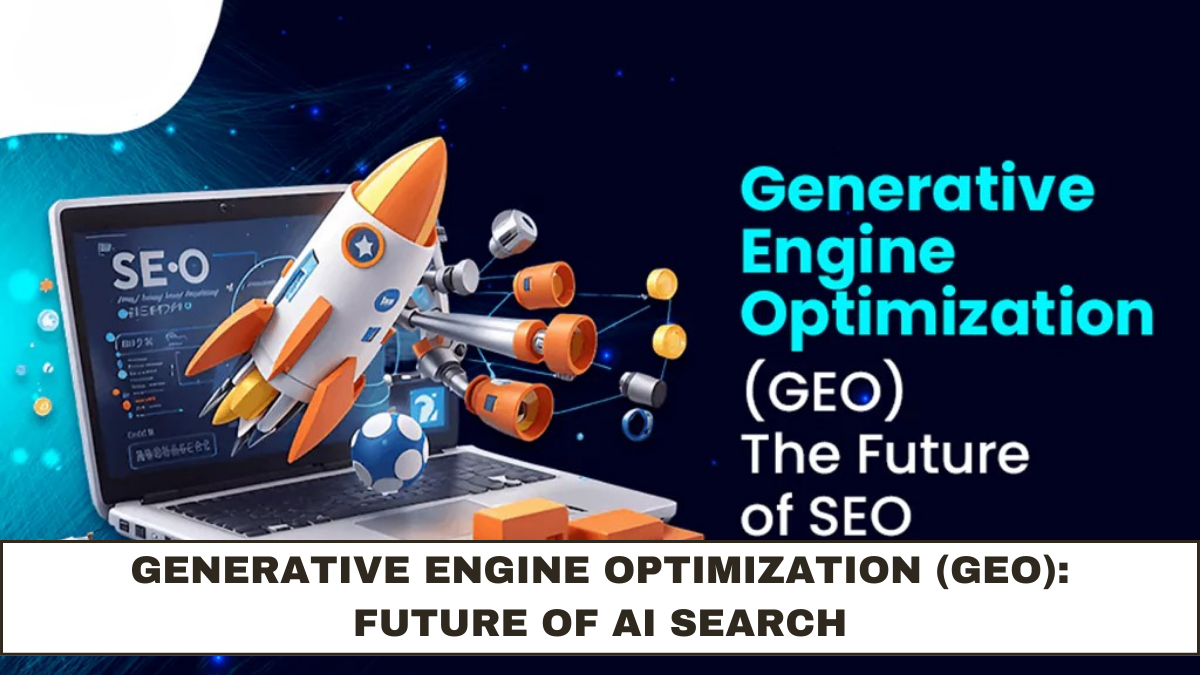
The rise of AI-powered search systems is transforming how content is discovered online, making AI search optimization GEO one of the most important digital strategies today. As search engines increasingly rely on generative models to answer queries directly, traditional SEO alone is no longer enough. This shift has led to the emergence of generative engine optimization, a new approach focused on visibility within AI-generated responses.
With platforms adopting conversational and summary-based search experiences, understanding AI SEO is essential for creators, publishers, and businesses looking to stay discoverable in the evolving search ecosystem.
What Is Generative Engine Optimization (GEO)
Generative engine optimization refers to optimizing content so that it can be accurately understood, selected, and referenced by AI-powered search engines. Instead of ranking only through links and keywords, AI systems now evaluate clarity, structure, relevance, and authority.
The goal of AI search optimization GEO is to make content easy for generative models to interpret, summarize, and cite when responding to user queries.
Key characteristics of GEO include:
• Clear topic focus and semantic depth
• Structured, easy-to-parse content
• Natural language relevance
• Trustworthy and informative tone
• Strong topical authority
Unlike traditional ranking methods, AI SEO prioritizes meaning over mechanics.
Why AI Search Optimization Is Becoming Essential
Search behavior is changing rapidly. Users now expect direct, conversational answers instead of scrolling through multiple links. This change has pushed platforms toward AI-generated responses, making AI search optimization GEO increasingly important.
Key reasons behind its growth include:
• Rise of generative AI search interfaces
• Preference for summarized answers
• Voice-based and conversational queries
• Reduced dependence on blue-link results
• Demand for faster, clearer information
As a result, content that aligns with generative engine optimization principles is more likely to be surfaced in AI-driven results.
How AI SEO Differs From Traditional SEO
While both approaches aim to improve visibility, AI SEO differs significantly from classic SEO methods.
Traditional SEO focuses on:
• Keyword density
• Backlinks
• Metadata
• Technical structure
• Search rankings
In contrast, AI search optimization GEO emphasizes:
• Contextual clarity
• Topic completeness
• Natural phrasing
• Structured explanations
• Answer-focused content
This means content must be written for understanding, not just indexing.
Core Elements of Effective Generative Engine Optimization
To succeed with generative engine optimization, content must follow certain foundational principles that help AI systems interpret and reuse information accurately.
Key elements include:
• Clear headings and subtopics
• Direct answers to common questions
• Logical content flow
• Consistent terminology
• Topic authority and depth
• Clean formatting
These elements allow AI models to extract reliable information when generating responses.
Role of Structured Content in AI Search
Structured writing plays a major role in AI search optimization GEO. AI systems rely heavily on predictable patterns to understand meaning and intent.
Effective structuring includes:
• Descriptive headings
• Short, focused paragraphs
• Bullet-point explanations
• FAQ-style sections
• Clear topic separation
Such formatting improves readability for both humans and machines, strengthening AI SEO performance.
Content Depth and Topical Authority in GEO
Generative engines favor content that demonstrates expertise and full coverage of a subject. Shallow or repetitive content is less likely to be selected.
To build authority using AI search optimization GEO, content should:
• Address user intent completely
• Explain concepts clearly
• Cover related subtopics
• Avoid vague generalizations
• Provide structured insights
This depth signals reliability and improves the chances of being referenced in AI-generated answers.
Natural Language and Conversational Writing
Another key part of generative engine optimization is writing in natural, conversational language. AI systems are trained on human communication patterns and prefer content that reads naturally.
Best practices include:
• Using simple, direct sentences
• Avoiding keyword stuffing
• Writing as if answering a real question
• Maintaining clarity and flow
• Keeping tone informative and neutral
This approach strengthens AI SEO performance across conversational search experiences.
How AI Search Optimization Supports Long-Term Visibility
Unlike traditional SEO, which often fluctuates with algorithm updates, AI search optimization GEO focuses on long-term discoverability. Content optimized this way remains useful even as platforms evolve.
Long-term benefits include:
• Higher chance of being cited in AI answers
• Better alignment with future search models
• Improved content longevity
• Stronger topical authority
• Broader visibility across AI tools
This makes generative engine optimization a future-proof content strategy.
Common Mistakes to Avoid in GEO
To fully benefit from AI search optimization GEO, certain mistakes should be avoided:
• Overusing keywords unnaturally
• Writing shallow or generic content
• Ignoring structure and clarity
• Focusing only on rankings
• Lacking topic depth
Avoiding these issues helps ensure content is usable by both AI systems and human readers.
How GEO Fits Into Modern SEO Strategy
Rather than replacing traditional SEO, AI SEO complements it. A balanced strategy includes both technical optimization and content designed for generative understanding.
An effective approach combines:
• Traditional SEO fundamentals
• High-quality, structured content
• Clear topical focus
• Natural language writing
• User-first explanations
Together, these elements strengthen AI search optimization GEO results.
Future of Generative Engine Optimization
As AI search continues to evolve, generative engine optimization will become a standard practice rather than a niche strategy. Content creators who adapt early will benefit from greater visibility and authority.
Future trends may include:
• More conversational search interfaces
• Deeper semantic understanding
• Context-aware AI responses
• Personalized search outputs
• Expanded AI-generated summaries
Preparing for these changes now ensures long-term relevance in AI-driven search ecosystems.
Conclusion
The shift toward AI-powered search makes AI search optimization GEO a critical skill for modern content creation. By focusing on clarity, structure, depth, and natural language, creators can align with how generative systems process information. As generative engine optimization and AI SEO continue to shape the future of discovery, adopting these principles will help content remain visible, useful, and competitive in the evolving digital landscape.
FAQs
What is generative engine optimization?
It is the process of optimizing content so AI-powered search engines can understand and use it in generated answers.
How is AI search optimization different from SEO?
AI search optimization focuses on clarity, structure, and semantic meaning rather than only keywords and links.
Why is GEO important for the future?
Because AI-generated search results rely on structured, authoritative content rather than traditional rankings alone.
Can existing SEO content be adapted for GEO?
Yes, by improving structure, clarity, and topic depth, existing content can align with GEO principles.
Is generative engine optimization only for large websites?
No, creators of all sizes can benefit by writing clear, helpful, and well-structured content.
Click here to know more.