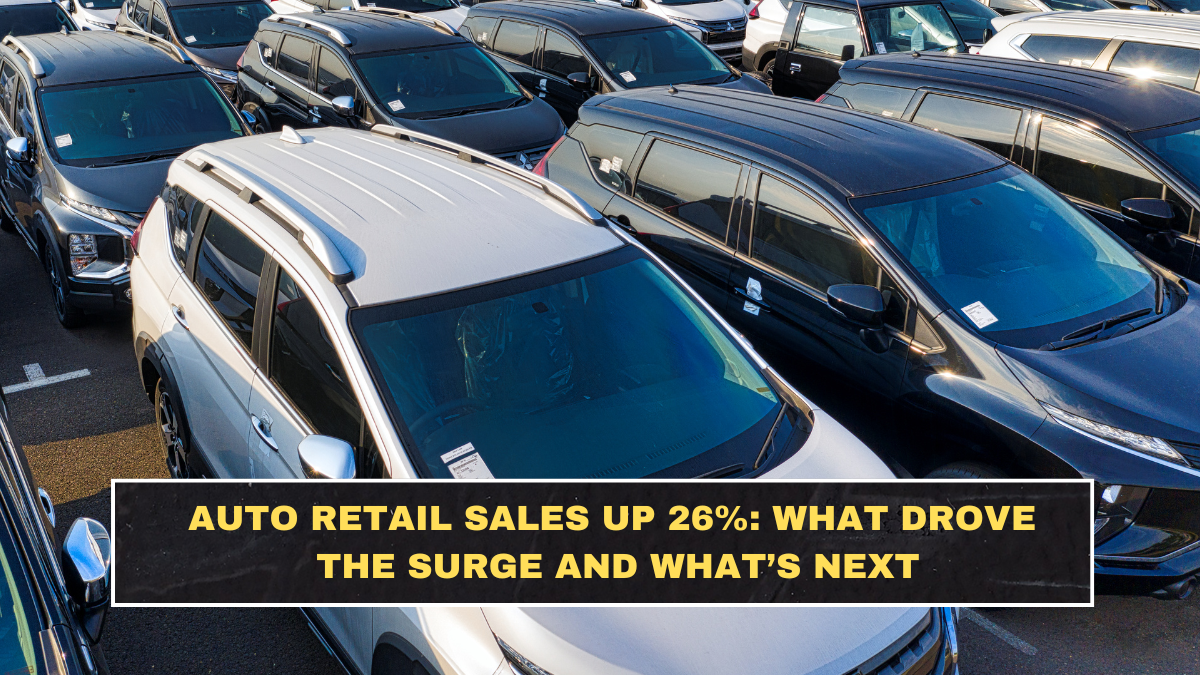
India’s auto retail sales recorded a 26% increase, signaling strong demand across passenger vehicles, two-wheelers, and commercial vehicles. Retail sales refer to the number of vehicles actually sold to customers through dealerships, which provides a clearer picture of consumer demand than manufacturer dispatch numbers alone.
Industry data shows that the growth was supported by improved rural demand, strong SUV sales, and attractive financing offers from banks and non-banking financial companies. The rise in retail sales also reflects improving consumer confidence and a gradual recovery in spending after periods of economic uncertainty.
Overall Vehicle Retail Sales – February 2026
The following table shows estimated vehicle retail sales across major segments in February 2026 compared with the previous year.
| Vehicle Segment | Feb 2025 Sales | Feb 2026 Sales | Growth (%) |
|---|---|---|---|
| Passenger Vehicles | 3,12,000 | 3,95,000 | +26% |
| Two-Wheelers | 12,40,000 | 15,20,000 | +23% |
| Commercial Vehicles | 76,000 | 94,000 | +24% |
| Tractors | 68,000 | 85,000 | +25% |
The data highlights that growth occurred across nearly every segment of the automobile market, not just passenger cars.
Passenger Vehicle Sales by Segment
Passenger vehicles played a major role in the overall growth of auto retail sales. Compact SUVs and mid-size SUVs were among the strongest performers due to increasing consumer preference for larger vehicles.
| Segment | Estimated Sales (Feb 2026) | Share of PV Market |
|---|---|---|
| Compact SUVs | 1,45,000 | 37% |
| Hatchbacks | 1,10,000 | 28% |
| Mid-size SUVs | 85,000 | 21% |
| Sedans | 40,000 | 10% |
| Others | 15,000 | 4% |
The data confirms that SUVs dominate the Indian passenger vehicle market, accounting for a significant portion of sales.
Factors Driving the 26% Sales Growth
Several economic and market conditions contributed to the strong growth in vehicle retail sales during February 2026.
| Growth Driver | Impact on Market |
|---|---|
| Attractive financing | Lower EMIs encouraged purchases |
| SUV popularity | Increased demand for compact SUVs |
| Rural demand recovery | Higher two-wheeler and tractor sales |
| Festive and wedding season purchases | Boosted dealership sales |
| Improved supply chains | Reduced waiting periods |
These factors collectively created favorable conditions for buyers and helped dealerships report higher sales volumes.
Top Brands Benefiting From the Sales Surge
Certain car manufacturers gained the most from the increase in retail demand. Brands with strong SUV lineups and wide dealership networks reported particularly strong performance.
| Brand | Estimated Units Sold | Key Model Driving Sales |
|---|---|---|
| Maruti Suzuki | 1,58,000 | WagonR, Brezza |
| Hyundai | 52,000 | Creta |
| Tata Motors | 48,500 | Nexon |
| Mahindra | 41,200 | Scorpio |
| Kia | 23,500 | Sonet |
The success of these brands demonstrates how product positioning and popular models play a crucial role in overall sales growth.
What Could Slow the Momentum
Despite strong sales growth, several factors could influence demand in the coming months. Rising fuel prices, inflation, or tighter loan conditions could affect consumer spending on new vehicles. The automobile industry is also closely monitoring supply chain conditions and raw material costs, which can influence vehicle pricing.
| Potential Risk | Possible Impact |
|---|---|
| Fuel price increase | Higher running cost for buyers |
| Inflation pressure | Reduced discretionary spending |
| Interest rate hikes | Higher car loan EMIs |
| New emission norms | Potential price increases |
If these challenges intensify, they could slow down the pace of vehicle sales growth later in the year.
Market Outlook for the Coming Months
Industry experts expect demand for SUVs and feature-rich vehicles to remain strong in the near term. Car manufacturers are also preparing to launch updated models and electric vehicles to capture emerging market opportunities.
The upcoming festive season later in the year traditionally boosts automobile demand, which could help sustain sales momentum. However, the market’s long-term growth will depend on economic stability, fuel prices, and consumer confidence.
Conclusion
The 26% rise in auto retail sales reflects strong consumer demand across multiple vehicle segments in India. SUVs, affordable financing, and improving rural demand have played key roles in driving the surge in dealership sales.
While the outlook remains positive, factors such as fuel prices and economic conditions will determine whether this growth continues in the coming months. For now, the automobile market appears to be benefiting from strong buyer interest and a wide range of vehicle choices.
FAQs
What does auto retail sales mean?
Auto retail sales refer to the number of vehicles sold directly to customers through dealerships, which reflects actual consumer demand.
Why did auto sales rise by 26%?
The increase was driven by strong SUV demand, attractive financing options, improved rural demand, and better vehicle supply.
Which vehicle segment grew the most?
Compact SUVs and two-wheelers showed strong growth during the period.
Which brands benefited the most from the sales surge?
Major brands such as Maruti Suzuki, Hyundai, Tata Motors, and Mahindra reported strong sales growth.
Could vehicle sales slow down later?
Yes, factors such as fuel price increases, inflation, and higher loan interest rates could influence future demand.