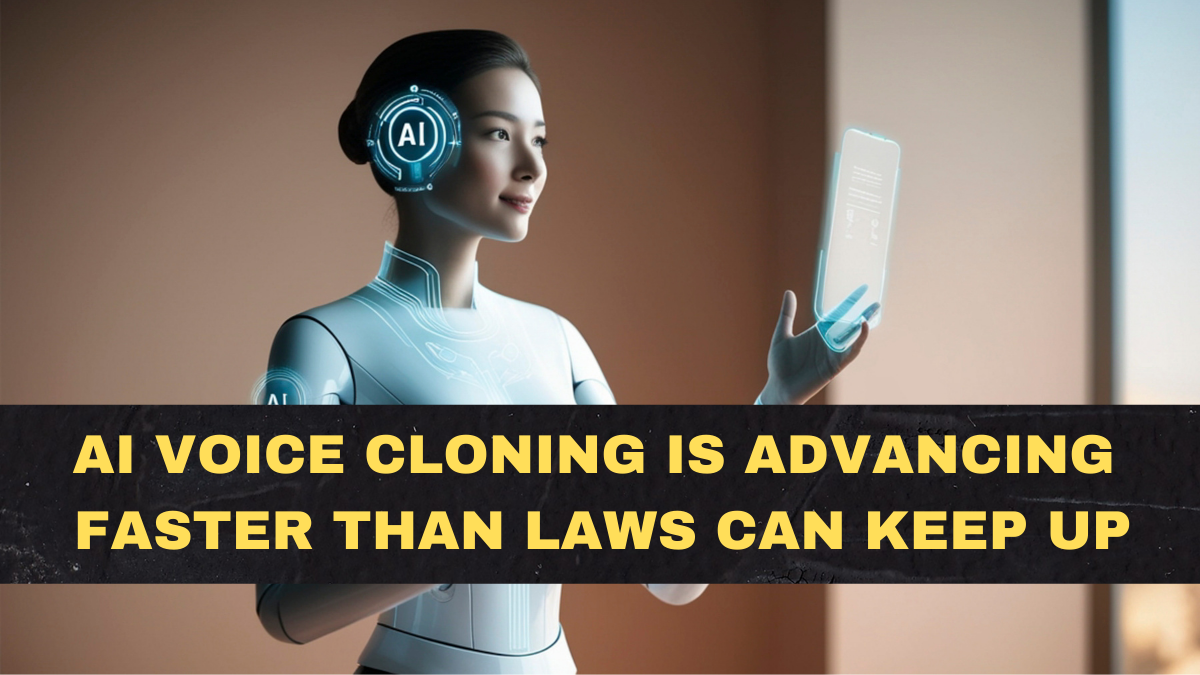
The conversation around AI voice cloning ethics has shifted from niche concern to mainstream alarm in 2026. What once sounded like a novelty—machines mimicking human voices—has now become precise, scalable, and disturbingly easy to misuse. Synthetic voices can replicate tone, emotion, and speaking style with just a few seconds of audio, blurring the line between real and fake in ways most people are not prepared for.
The problem is not the technology itself. Voice AI has legitimate uses in accessibility, education, entertainment, and productivity. The problem is that synthetic voices and deepfake audio are spreading faster than ethical norms, legal safeguards, and public awareness can keep up.
How AI Voice Cloning Works Today
Modern voice cloning systems no longer need hours of training data. In many cases, a short voice sample is enough to create a convincing replica.
Key capabilities now include:
• Replicating accent, pitch, and emotional tone
• Generating speech in real time
• Adapting voice to new languages
• Mimicking specific individuals accurately
• Producing audio that passes casual human detection
This level of realism is what makes AI voice cloning ethically complex rather than just impressive.
Why Synthetic Voices Are So Hard to Regulate
Laws struggle with speed, and AI moves fast. Most legal frameworks were built to handle text, images, or traditional impersonation—not real-time synthetic speech.
Regulatory challenges include:
• Difficulty proving intent
• Ambiguity around consent
• Cross-border misuse
• Open-source model availability
• Rapid iteration of tools
By the time regulations are proposed, the underlying technology has already evolved.
The Rise of Deepfake Audio Threats
Deepfake audio is no longer limited to celebrities. Ordinary people are now targets.
Common misuse cases include:
• Fake emergency phone calls
• Financial fraud using cloned voices
• Impersonation of executives or officials
• Manipulated recordings for harassment
• Voice-based social engineering attacks
Unlike video deepfakes, audio spreads easily and requires less scrutiny to be believed.
Why AI Voice Cloning Ethics Matter More Than Ever
Ethics becomes critical when harm is scalable. Voice carries trust. People instinctively believe what sounds familiar.
Ethical risks include:
• Erosion of voice-based trust
• Weaponization of identity
• Loss of consent over personal data
• Psychological harm from impersonation
• Difficulty proving authenticity
Once trust in voice collapses, verification systems must replace human intuition.
Consent: The Biggest Unresolved Question
One of the hardest ethical questions is consent. When is it valid, and how long does it last?
Unresolved consent issues:
• Does public audio equal permission?
• Can consent be withdrawn?
• Who owns a voice after death?
• Can employers clone employee voices?
• What about training data scraped online?
Without clear answers, ethical boundaries remain dangerously vague.
Legitimate Uses That Complicate the Debate
Not all voice cloning is harmful. Some uses are genuinely beneficial.
Positive applications include:
• Speech restoration for disability support
• Language learning and accessibility tools
• Audiobooks and content localization
• Personalized digital assistants
• Preservation of endangered languages
The challenge is enabling these uses without enabling abuse.
Why Detection Alone Is Not Enough
Many believe detection tools will solve the problem. They won’t—at least not fully.
Limitations of detection:
• Detection lags behind generation quality
• Real-time calls are harder to verify
• False positives can cause harm
• Detection tools aren’t universally accessible
Ethical design matters more than reactive policing.
How Companies Are Responding in 2026
Tech companies are starting to acknowledge responsibility, but responses vary widely.
Current approaches include:
• Voice watermarking experiments
• Consent-based voice libraries
• Restricted access to cloning tools
• Usage policy enforcement
• Transparency disclosures
None of these are universal, and enforcement remains inconsistent.
What Individuals Can Do to Protect Themselves
Until regulation catches up, personal awareness is the strongest defense.
Practical steps include:
• Avoid sharing clear voice samples publicly
• Use verification phrases for sensitive calls
• Be skeptical of urgent voice requests
• Confirm identity through secondary channels
• Educate family and colleagues
Voice trust now requires verification.
Where AI Voice Cloning Ethics Are Headed
By late 2026, society will likely stop treating voice as unquestionable proof. Trust will shift from sound to systems.
Expected shifts include:
• Multi-factor identity verification
• Legal recognition of voice misuse
• Clearer consent frameworks
• Ethical standards for synthetic media
But the transition will be messy—and harmful cases will continue during the gap.
Conclusion
AI voice cloning ethics sit at the intersection of innovation, identity, and trust. While synthetic voices offer real benefits, the rise of deepfake audio exposes serious ethical and legal blind spots. The technology has already crossed the threshold of realism. The question now is whether society can build guardrails fast enough to prevent widespread misuse.
In 2026, trusting a voice alone is no longer safe—and pretending otherwise is the real risk.
FAQs
What is AI voice cloning?
It is the use of AI models to replicate a person’s voice based on audio samples.
Why is AI voice cloning ethically risky?
Because it can be used for impersonation, fraud, and manipulation without consent.
Is deepfake audio illegal?
In many regions, laws are unclear or incomplete, making enforcement difficult.
Are synthetic voices always harmful?
No. They have legitimate uses in accessibility, education, and content creation.
How can people protect themselves from voice cloning misuse?
By verifying voice-based requests through additional channels and limiting public voice exposure.
Click here to know more.