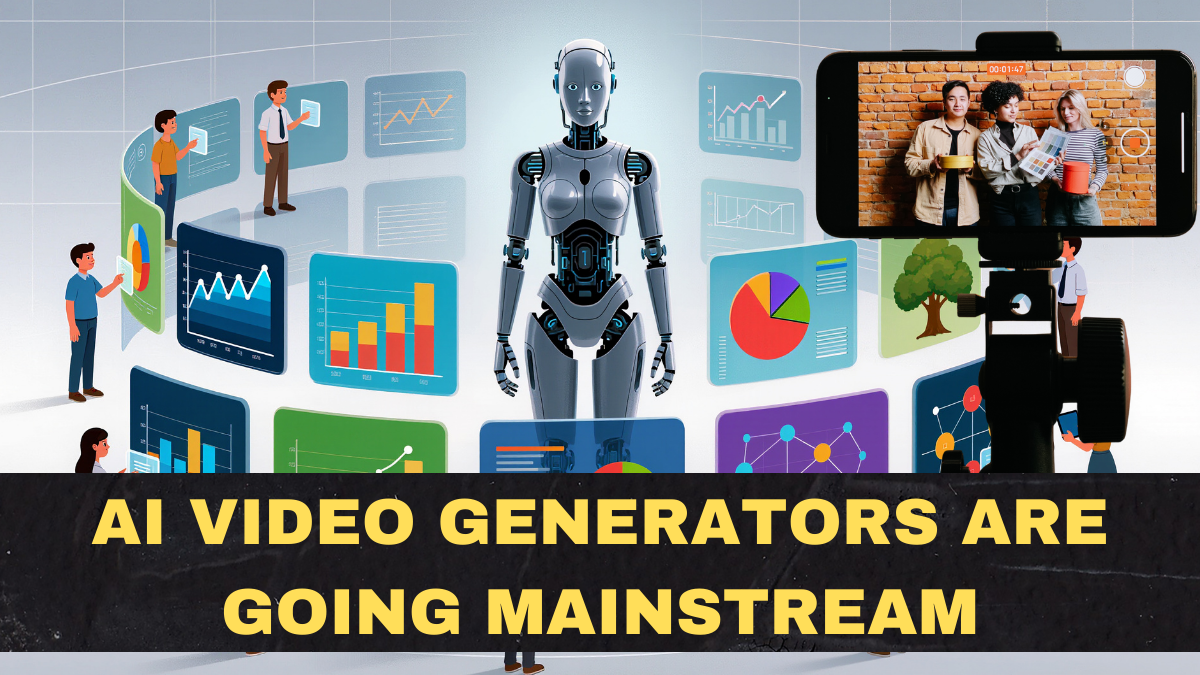
The rise of the AI video generator is quietly rewriting how content is made in 2026. What once required cameras, editing software, and hours of manual work can now be produced in minutes using text prompts and templates. For creators chasing speed on Reels, Shorts, and TikTok, this shift is not optional anymore — it’s survival.
Short-form content has become brutally competitive. Algorithms reward volume, consistency, and fast trend response. Human editing simply cannot keep up. That gap is exactly where text to video tools are exploding. In 2026, the fastest-growing creators are not better editors. They are better at automation.
Why AI Video Generators Suddenly Took Over
This trend didn’t happen because the technology became perfect. It happened because the platform economics changed.
Three pressures forced adoption:
• Exploding demand for daily short-form content
• Shrinking attention spans
• Algorithm preference for frequent uploads
Creators realized that quality alone no longer wins. Speed and volume now decide reach. The AI video generator became the only practical way to maintain output without burning out.
Once early adopters started hitting viral clips at scale, mainstream creators followed quickly.
What an AI Video Generator Actually Does
At its core, an AI video generator converts text into structured video output.
Modern systems can:
• Turn scripts into animated scenes
• Auto-generate captions and transitions
• Add stock footage or avatars
• Sync voiceovers automatically
• Export in vertical short-form formats
The real breakthrough is not realism. It’s workflow compression. What took two hours now takes ten minutes.
This is why text to video tools are dominating creator pipelines in 2026.
Why Short-Form Content Is Driving This Boom
Long videos still matter. But short-form content now controls discovery.
Reels, Shorts, and TikTok reward:
• Posting frequency
• Fast trend participation
• Experimentation at scale
• Rapid iteration
Human production caps output. An AI video generator removes that ceiling.
Creators can now:
• Test 10 hooks instead of 2
• Rebuild failed clips instantly
• Launch trend responses within hours
• Maintain daily posting without burnout
Speed is the real competitive advantage.
How Creators Are Using AI Video Generators in Practice
Contrary to hype, most creators are not replacing themselves. They are augmenting production.
Common use cases include:
• Turning tweets into short videos
• Repurposing blog posts into reels
• Generating explainer clips
• Creating faceless channels
• Producing daily motivational shorts
The AI handles structure and assembly. Humans still control tone, ideas, and narrative.
This hybrid workflow is why adoption is accelerating so fast.
The Quality Trade-Off Nobody Talks About
Here’s the uncomfortable reality: most AI-generated videos still look generic.
Problems include:
• Repetitive visuals
• Flat narration
• Overused templates
• Synthetic pacing
That’s why top creators use the AI video generator as a first draft engine, not a final product.
They:
• Rewrite hooks manually
• Replace AI voices with human narration
• Adjust pacing by hand
• Add brand-specific styling
The creators winning in 2026 are not fully automated. They are strategically assisted.
Why Brands Are Adopting Text to Video Tools Aggressively
This trend is not creator-only.
Brands now use AI video generators for:
• Ad testing at scale
• Localization across markets
• Product explainer clips
• Performance marketing creatives
• A/B testing hooks and formats
Instead of producing 3 ads per campaign, teams now generate 100 variations and let algorithms decide winners.
This is fundamentally changing digital marketing economics.
What This Means for Traditional Video Editing
Editing is not dying. But the job is changing.
High-value editors now focus on:
• Creative direction
• Narrative structure
• Branding systems
• Final polish
Low-level assembly work is rapidly disappearing.
In 2026, knowing how to prompt and refine an AI video generator is becoming as important as knowing how to use editing software.
The Risk: Platform Saturation and Content Homogenization
This boom creates a new problem.
When everyone uses similar tools:
• Visual styles converge
• Hooks repeat
• Formats become predictable
• Audiences get bored faster
That’s why originality now matters more than ever.
Ironically, as automation increases, human creativity becomes the rare differentiator.
Is This the End of Human-Created Video
No. But it is the end of slow production.
Human storytelling still wins:
• Emotional nuance
• Cultural context
• Humor timing
• Authentic voice
AI accelerates execution. It does not replace intuition.
The creators who dominate 2026 are not those who automate fully. They are those who combine speed with taste.
Why This Trend Will Only Grow in 2026
Structural forces make this irreversible:
• Platform algorithms favor volume
• Creator competition keeps rising
• Production costs must fall
• Attention cycles keep shrinking
The AI video generator is not a tool trend. It’s infrastructure now.
Within a year, manual-only short-form production will feel as outdated as editing without captions.
Conclusion
The AI video generator is not killing creativity. It is killing friction.
In 2026, success in short-form content is no longer about having the best camera or editing skills. It’s about how fast you can test, adapt, and publish. Text to video tools give creators and brands something invaluable: time.
The winners are not those who resist automation.
They are the ones who use it quietly — and publish faster than everyone else.
FAQs
What is an AI video generator?
It is a tool that converts text, scripts, or prompts into structured video clips automatically.
Do AI video generators replace video editors?
No. They replace repetitive assembly work but still need human creativity and direction.
Are AI-generated videos good enough for viral content?
Yes, when combined with strong hooks, human narration, and smart editing.
Are brands using text to video tools already?
Yes. Especially for ad testing, localization, and short-form performance content.
Will platforms penalize AI-generated videos?
Currently no. Platforms reward engagement and retention, not production method.
Click here to know more.