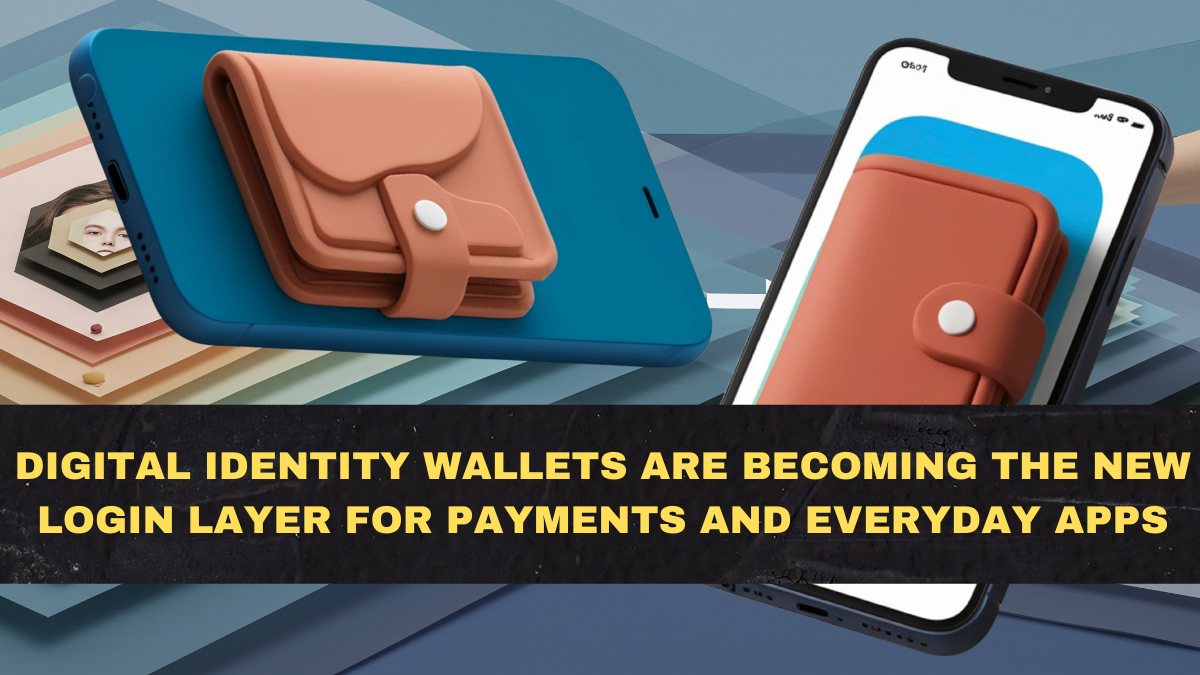
Digital identity wallets are quietly turning into one of the most important layers of the modern internet. What began as simple document storage tools are now evolving into platforms that handle login, identity verification, authentication, and even payments — all from a single place. In 2026, this shift is accelerating fast, and most users don’t realize how deeply it will change the way they access apps, open accounts, and move money.
Instead of remembering dozens of passwords, uploading documents repeatedly, and redoing verification across services, users are starting to rely on one secure identity wallet that proves who they are, authorizes actions, and confirms payments. This isn’t just a convenience upgrade. It’s a structural redesign of digital onboarding, security, and trust.
What Digital Identity Wallets Actually Are
A digital identity wallet is a secure app or system that stores verified identity credentials and authentication methods in one place. It acts as a portable identity layer that users can reuse across platforms.
Typically, these wallets hold:
• Government-issued ID credentials
• Biometric authentication methods
• Verified personal data
• Device-based security keys
• Payment-linked identity proofs
Instead of each app verifying you separately, the wallet confirms your identity once and shares proof securely.
Why Login, Verification, and Payments Are Merging
For years, login systems, ID verification, and payments evolved separately. In 2026, they are converging — because fraud, onboarding friction, and account takeover risks are all linked.
Digital identity wallets unify:
• Login authentication
• ID verification checks
• Payment authorization
• Device trust validation
This reduces:
• Repeated KYC uploads
• Password fatigue
• Fake account creation
• Payment fraud
• Onboarding drop-offs
One identity session can now unlock multiple services securely.
How Wallet Authentication Replaces Passwords
Wallet authentication is built around possession and biometrics instead of memorized secrets.
Instead of typing a password:
• You unlock your identity wallet with biometrics
• The wallet signs a secure authentication request
• The app verifies cryptographic proof
• Access is granted instantly
No password stored. No shared secret leaked. No phishing vulnerability.
This is why wallet-based authentication is becoming the foundation of passwordless login.
What Changes for Payments and Checkout
Once identity wallets control login, extending them into payments is natural.
At checkout:
• The wallet confirms identity
• Authorizes the transaction
• Verifies device trust
• Applies spending rules
• Signs payment credentials
This eliminates:
• OTP fatigue
• Repeated card verification
• Risky saved passwords
• Manual KYC steps
In many flows, the wallet becomes both the login layer and the payment approval layer.
Why Fraud Prevention Improves Dramatically
Fraud thrives on weak identity links. Digital identity wallets tighten that link.
They improve fraud controls by:
• Binding identity to device
• Using biometrics instead of passwords
• Enforcing cryptographic signatures
• Tracking behavioral trust signals
• Creating audit trails
Account takeovers become harder. Synthetic identities fail verification. Mule accounts struggle to operate.
This is why banks, fintechs, and marketplaces are investing heavily in identity wallets.
How Onboarding Speeds Up Without Lowering Security
Traditional onboarding forces users through long forms, uploads, and waiting periods.
With digital identity wallets:
• Verified credentials are reused
• Documents are shared instantly
• Biometrics confirm presence
• Risk scoring runs automatically
Account opening drops from days to minutes — sometimes seconds — without weakening controls.
This matters in:
• Banking
• Payments
• Crypto exchanges
• Marketplaces
• Gig platforms
• Healthcare apps
Fast onboarding becomes a competitive advantage.
Privacy and Control Questions Users Are Starting to Ask
As identity wallets grow powerful, privacy concerns rise.
Users now worry about:
• Who controls their identity data
• Which apps can access what
• How long credentials are stored
• Whether data can be tracked across services
Modern wallets are responding with:
• Permission-based data sharing
• Attribute-level disclosure
• Revocable access rights
• Local-device credential storage
The battle in 2026 is not just security — it’s control.
Who Is Building the New Identity Wallet Layer
Multiple players are racing to own this layer:
• Platform providers
• Payment networks
• Banks and fintechs
• Mobile operating systems
• Government digital ID systems
The company that controls identity wallets doesn’t just control login. It controls access, payments, trust, and onboarding across the digital economy.
That’s why this space is becoming strategically critical.
Why This Becomes the Default Login Layer
Digital identity wallets win because they solve three hard problems at once:
• Security
• Convenience
• Compliance
They reduce:
• Password breaches
• Phishing attacks
• Fake accounts
• Fraud losses
• Onboarding friction
At the same time, they improve user experience. That combination always wins.
Conclusion
Digital identity wallets are no longer niche tools. In 2026, they are becoming the new login layer for apps, payments, and everyday services. By merging authentication, ID verification, and payment authorization, they reshape onboarding, security, and trust across the internet.
The future of login isn’t passwords. It isn’t OTPs. It’s identity — portable, cryptographic, and user-controlled.
And once users experience it, they won’t go back.
FAQs
What are digital identity wallets used for?
They store verified identity credentials and enable secure login, authentication, and payment authorization across apps.
Do identity wallets replace passwords completely?
In many cases, yes. They rely on biometrics and cryptographic proof instead of memorized passwords.
Are digital identity wallets safe?
Yes, when built correctly. They use device security, biometrics, encryption, and permission-based sharing.
Can identity wallets reduce payment fraud?
Yes. Strong identity binding and authentication significantly reduce account takeovers and synthetic fraud.
Will every app use identity wallets in 2026?
Not all, but adoption is accelerating rapidly in finance, payments, marketplaces, and regulated platforms.
Click here to know more.