For years, Amazon reviews were the internet’s shortcut to trust. Five stars meant safe. Four stars meant decent. Anything below raised suspicion. But in 2026, that logic is collapsing. Amazon review manipulation has reached a point where buyers no longer trust ratings—and increasingly regret purchases that looked “perfect” on paper.
What’s changed isn’t just seller behavior. It’s the scale, sophistication, and normalization of manipulation. Reviews haven’t just been gamed—they’ve been industrialized. And shoppers are finally catching on.

Why Amazon Review Manipulation Is Worse in 2026
The core problem behind Amazon review manipulation is incentive imbalance. Reviews directly control visibility, conversion, and survival on the platform.
That pressure has created an ecosystem where:
• Sellers feel forced to manipulate or disappear
• Honest listings get buried under boosted competitors
• Review farming has become systematic
• Enforcement lags behind tactics
When ranking depends so heavily on stars, manipulation stops being an edge case—it becomes strategy.
How Fake Reviews Actually Work Today
Fake reviews are no longer obvious spam with broken English. They’re structured, staged, and human-like.
Common manipulation methods include:
• Post-purchase refund-for-review offers
• Private buyer groups coordinating ratings
• Insert cards pushing off-platform feedback
• Paid “verified purchase” review networks
• Gradual star inflation over weeks
This makes Amazon review manipulation harder to detect and easier to deny.
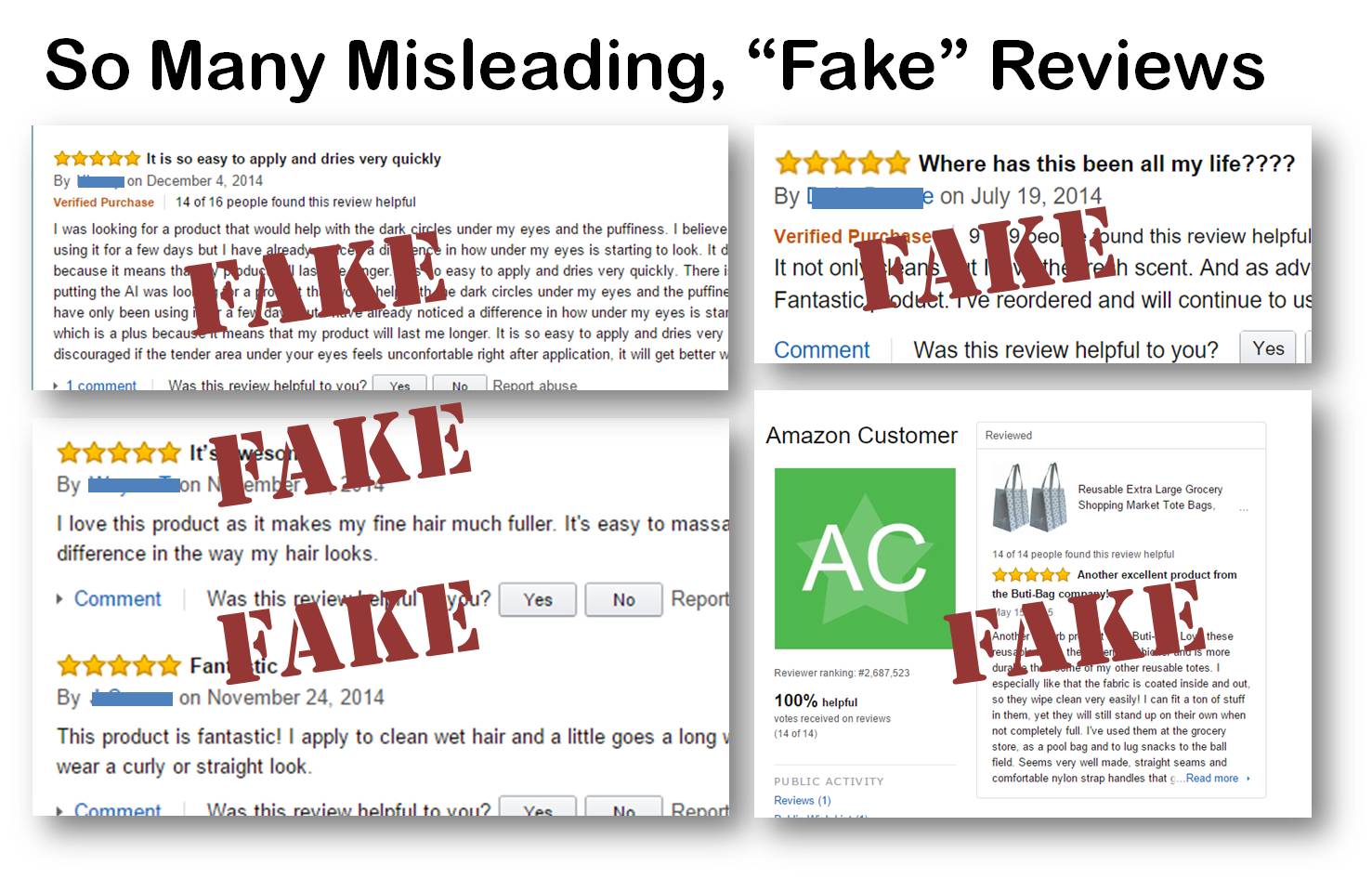

Why Verified Purchase No Longer Means Safe
Buyers still trust the “Verified Purchase” badge—but that trust is outdated.
Here’s why it fails:
• Refunds are issued after reviews are posted
• Buyers are reimbursed via gift cards or PayPal
• Amazon sees a normal transaction trail
• Review remains “verified” even if incentivized
The badge confirms a purchase—not honesty.
The Trust Crisis Buyers Are Experiencing
The fallout from Amazon review manipulation is no longer theoretical. It’s experiential.
Buyers report:
• Products that don’t match descriptions
• Five-star items performing poorly
• Conflicting reviews that feel scripted
• Growing reliance on external research
When disappointment becomes routine, trust erodes fast.
Why Amazon Struggles to Fix the Problem
Amazon is not ignoring manipulation—but it’s constrained.
Key limitations include:
• Massive seller volume
• Sophisticated evasion tactics
• Risk of false positives hurting legit sellers
• Legal and regulatory exposure
Aggressive crackdowns often hurt honest sellers more than manipulators—making enforcement cautious and slow.
How Sellers Are Trapped in the Same System
Ironically, many sellers dislike Amazon review manipulation as much as buyers do.
Honest sellers face:
• Lower visibility without review velocity
• Pressure to “keep up” with competitors
• Sudden account suspensions for minor issues
• Inconsistent enforcement
This creates a race to the bottom where integrity feels like a disadvantage.
How Buyers Are Adapting in 2026
Shoppers aren’t powerless—and many are changing habits.
New buyer behaviors include:
• Reading 3-star and 1-star reviews first
• Checking review timelines for sudden spikes
• Ignoring influencer-style language
• Comparing reviews across platforms
Trust is shifting from stars to patterns.
What This Means for Ecommerce Long-Term
The long-term damage of Amazon review manipulation isn’t just bad purchases—it’s platform credibility.
If buyers stop believing reviews:
• Conversion rates drop
• Return rates increase
• Customer loyalty weakens
• External marketplaces gain relevance
Trust, once broken, is expensive to rebuild.
Will Amazon Reviews Ever Be Reliable Again?
Possibly—but not without structural change.
What would actually help:
• Weighting reviews by reviewer history
• Penalizing sudden rating spikes
• Stronger post-refund review audits
• Less dependence on star averages
Until then, skepticism will remain the safest strategy.
Conclusion
Amazon review manipulation has crossed from abuse into norm. Buyers aren’t imagining the decline—they’re experiencing it. When five stars no longer signal quality, the entire decision-making shortcut collapses.
In 2026, smart shoppers don’t trust reviews blindly. They analyze them. And that alone proves the system has lost what made it powerful in the first place.
FAQs
Are most Amazon reviews fake now?
Not most—but enough are manipulated to make blind trust risky.
Can Amazon detect fake reviews?
Yes, but sophisticated manipulation often slips through.
Is “Verified Purchase” still reliable?
It confirms a purchase, not the motive behind the review.
How can buyers avoid bad products?
Read low-star reviews, check timelines, and watch for repetitive language.
Is Amazon doing anything about review manipulation?
Yes, but enforcement struggles to keep pace with evolving tactics.
Click here to know more.