In AI tool shutdowns 2026, something unsettling is happening quietly across the internet. AI products that people depended on just months ago are vanishing overnight—no migration plan, no refunds, no data access. One day the dashboard works. The next day, it’s a shutdown notice… or worse, silence.
This isn’t about bad ideas alone. Many of these tools had users, funding, and hype. Yet they collapsed suddenly, leaving behind frustrated customers and broken workflows. The pattern behind these startup failures is becoming clearer—and it’s not what most users expect.
Why AI Tool Shutdowns Are Accelerating in 2026
The surge in AI tool shutdowns 2026 isn’t random. It’s the delayed effect of rushed launches during the AI boom.
Most failed tools shared these traits:
• Heavy dependence on paid APIs
• Unsustainable pricing models
• Thin product differentiation
• High infrastructure burn
• No long-term retention plan
When costs rose or usage dipped slightly, the math stopped working.
The Hidden Cost Structure That Killed These Tools
Many users assume tools shut down due to lack of demand. In reality, many had users—but each user cost more than they paid.
Behind the scenes:
• API costs scaled faster than revenue
• Free-tier abuse drained budgets
• Inference costs spiked unpredictably
• Investors demanded profitability too early
This SaaS collapse wasn’t visible to users until the servers went dark.
Why Most Shutdowns Come Without Warning
The most disturbing part of AI tool shutdowns 2026 is how abruptly they happen.
Here’s why founders don’t warn users:
• Advance notice triggers mass data exports (higher costs)
• Refund demands accelerate cash drain
• Churn spikes kill last funding talks
• Legal exposure increases
So founders delay communication until shutdown is unavoidable—leaving users blindsided.
What Users Lose Overnight (Beyond the App)
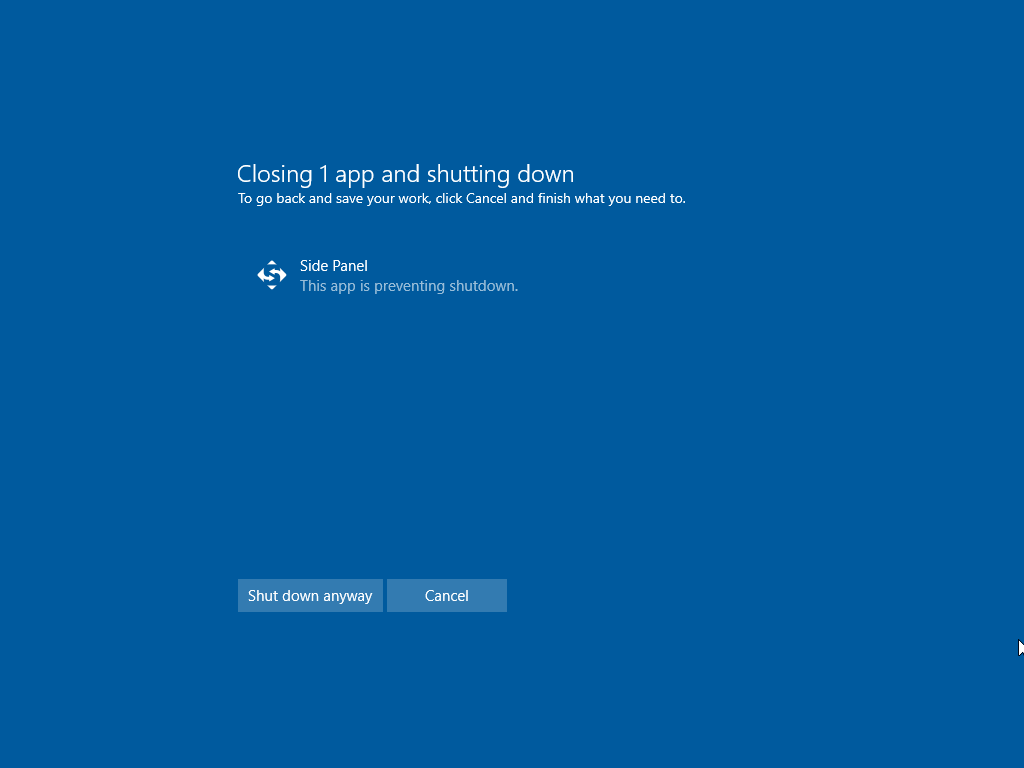
When an AI tool shuts down, the loss isn’t just access.
Users often lose:
• Custom prompts and workflows
• Training data and fine-tuned outputs
• API integrations built into systems
• Historical logs and insights
For businesses, this means downtime. For individuals, it means lost work. For both, it’s trust erosion.
The Common Pattern Across Startup Failures
Looking across dozens of shutdowns, a clear pattern emerges.
Most failed tools:
• Solved a narrow problem with no moat
• Wrapped generic AI models with thin UX
• Relied on hype-driven growth
• Ignored long-term unit economics
These weren’t “bad products.” They were fragile businesses.

Why Bigger AI Companies Are Surviving
In contrast, larger AI platforms aren’t immune—but they’re resilient.
They survive because they:
• Control their infrastructure
• Spread costs across products
• Lock users into ecosystems
• Can absorb temporary losses
This gap is widening. AI tool shutdowns 2026 are hitting small and mid-sized tools hardest.
How Users Are Changing Behavior Because of This
Users are no longer blindly adopting AI tools.
Clear shifts include:
• Avoiding single-feature AI apps
• Preferring platforms with export options
• Paying attention to data ownership terms
• Choosing boring but stable tools
Trust now matters more than innovation alone.
What This Means for the Future of AI Tools
The AI boom isn’t ending—but it is maturing.
What’s coming next:
• Fewer tools, stronger survivors
• Slower launches, better fundamentals
• More focus on sustainability
• Less “build fast and hope” culture
AI tool shutdowns 2026 are a painful correction—but a necessary one.
Conclusion
The wave of AI tool shutdowns 2026 proves that hype cannot replace economics. Many tools didn’t fail because users didn’t want them—they failed because the business model never made sense.
For users, the lesson is caution. For founders, the lesson is discipline. And for the AI industry, this is the moment where survival starts to matter more than speed.
FAQs
Why are so many AI tools shutting down in 2026?
Because high operating costs and weak business models are colliding with investor pressure.
Do shutdowns mean AI demand is falling?
No. Demand is strong—but only sustainable tools survive.
Are paid AI tools safer than free ones?
Usually, yes—but only if pricing covers real costs.
How can users protect themselves from sudden shutdowns?
By choosing tools with data export options and platform stability.
Will AI tool shutdowns continue?
Yes, but at a slower pace as weaker products exit the market.
Click here to know more.