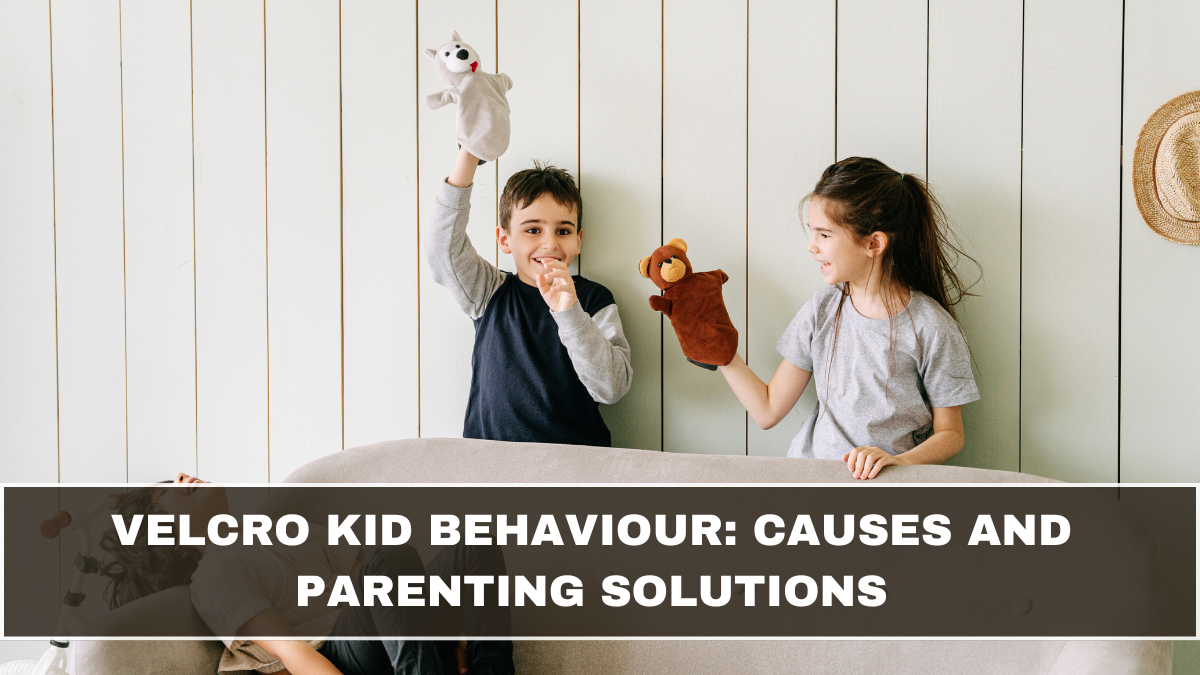
The concept of velcro kid behaviour explained has become increasingly popular among parents, educators and child psychologists. A “velcro kid” refers to a child who is extremely attached to a parent or caregiver and struggles to function independently. These children often seek constant reassurance, avoid separation and experience anxiety when not physically or emotionally close to their parents.
As awareness around mental health and child psychology grows, more parents are searching for parenting tips to understand this behaviour and help children build confidence. The discussion around velcro kid behaviour explained highlights the balance between emotional security and healthy independence.
What Is Velcro Kid Behaviour?
When velcro kid behaviour explained in simple terms, it describes a pattern where a child clings to a parent much like velcro sticks to fabric. This attachment goes beyond normal dependence seen in early childhood and continues longer than expected.
Common signs include:
• Fear of being alone
• Difficulty attending school or activities independently
• Constant need for reassurance
• Resistance to new environments
• Emotional distress during separation
From a child psychology perspective, this behaviour is not a flaw but a signal of emotional needs that require understanding and guidance.
Why Velcro Kid Behaviour Is Increasing
Experts suggest that velcro kid behaviour explained has become more common due to changes in lifestyle, parenting styles and social environments.
Contributing factors include:
• Increased parental involvement
• Overprotective caregiving
• Limited outdoor and peer interaction
• Heightened safety concerns
• Exposure to parental stress or anxiety
Modern parenting often prioritizes protection, but without balance, it can unintentionally limit a child’s independence. Understanding these causes is essential when applying effective parenting tips.
Child Psychology Behind Velcro Attachment
From the lens of child psychology, velcro kid behaviour develops when a child associates safety exclusively with a specific caregiver. This does not mean the parent has done something wrong, but rather that the child hasn’t yet learned emotional self-regulation.
Psychological triggers may include:
• Separation anxiety
• Fear of unfamiliar situations
• Sensitivity to change
• Low self-confidence
• Strong emotional bonding
When velcro kid behaviour explained through psychology, it becomes clear that patience and gradual guidance are key to helping children grow emotionally.
How Parenting Style Influences Velcro Behaviour
Parenting styles play a significant role in shaping attachment patterns. Highly attentive or anxious parenting can reinforce velcro behaviour without intention.
Patterns that may contribute include:
• Constant supervision without space
• Immediate intervention during discomfort
• Avoidance of letting children struggle
• Speaking or deciding on the child’s behalf
Balanced parenting tips encourage emotional support while allowing children to experience manageable challenges that build independence.
Practical Parenting Tips to Encourage Independence
Helping children move beyond velcro attachment requires consistency, reassurance and gradual exposure to independence. The goal is not to force separation but to build confidence step by step.
Helpful parenting strategies include:
• Encouraging solo play for short periods
• Praising effort rather than outcome
• Allowing children to make small decisions
• Practicing short separations
• Maintaining predictable routines
When velcro kid behaviour explained with empathy, parents can guide children toward independence without emotional distress.
Building Emotional Security Without Overdependence
Emotional security is the foundation of independence. Children who feel safe are more willing to explore the world on their own.
Ways to build security include:
• Active listening
• Validating feelings
• Calm responses to anxiety
• Consistent presence without overcontrol
These parenting tips help children trust themselves and their environment, reducing excessive clinginess over time.
School and Social Situations for Velcro Kids
School environments often highlight velcro kid tendencies. Separation anxiety may appear during drop-offs, group activities or new interactions.
Supportive approaches include:
• Gradual school transitions
• Collaboration with teachers
• Encouraging peer friendships
• Avoiding prolonged goodbyes
From a child psychology viewpoint, social exposure helps children learn resilience and emotional regulation.
When Parents Should Seek Professional Support
While velcro behaviour is common, there are cases where professional guidance may be helpful. If the behaviour interferes significantly with daily functioning, support from a child psychologist can be beneficial.
Signs to seek help include:
• Persistent anxiety beyond age norms
• Extreme distress during separation
• Avoidance of all independent activities
• Regression in developmental milestones
Understanding velcro kid behaviour explained helps parents distinguish between normal attachment and deeper emotional challenges.
Long-Term Outcomes of Healthy Independence
When guided correctly, children with velcro tendencies often grow into emotionally aware and empathetic individuals. Independence developed with emotional safety leads to stronger coping skills.
Positive long-term outcomes include:
• Improved self-confidence
• Better social skills
• Emotional resilience
• Healthy attachment styles
Using evidence-based parenting tips ensures children develop independence without losing emotional connection.
Conclusion
Understanding velcro kid behaviour explained allows parents to approach attachment with compassion rather than concern. Through balanced parenting, emotional validation and gradual independence-building, children can learn to feel secure both with and without constant parental presence. By applying thoughtful parenting tips and insights from child psychology, families can nurture confident, emotionally healthy children prepared to navigate the world independently.
FAQs
What does velcro kid behaviour mean?
It refers to children who show excessive attachment and difficulty separating from parents.
Is velcro behaviour normal in children?
Yes, it can be a normal phase, especially in early childhood, but should gradually reduce.
What causes velcro kid behaviour?
It may stem from separation anxiety, parenting style, emotional sensitivity or environmental factors.
How can parents help velcro kids become independent?
By encouraging small steps toward independence while providing emotional reassurance.
When should parents seek professional help?
If the behaviour severely affects daily functioning or causes persistent anxiety.
Click here to know more.