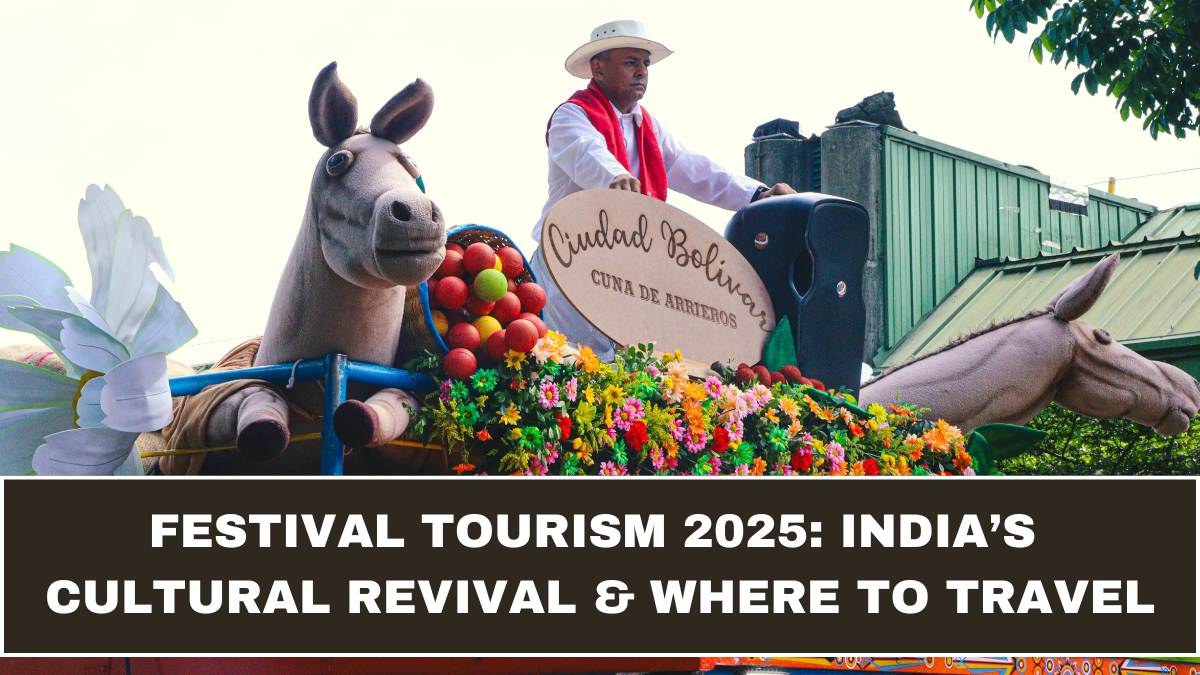
India has always been a land of festivals, where culture, tradition, and community come together in vibrant celebrations. In 2025, festival tourism is witnessing a remarkable revival as heritage events, traditional fairs, and regional celebrations attract travelers seeking immersive cultural experiences. From Rajasthan’s desert festivities to Kerala’s temple rituals, India’s festivals are becoming a major driver for domestic and international tourism.
Festival tourism allows travelers to explore regional traditions, local crafts, music, and cuisine, creating a unique experience that goes beyond conventional sightseeing. As more festivals return after years of disruptions, 2025 is shaping up as a landmark year for India’s cultural tourism sector.
Why Cultural Festivals Are Making a Comeback
Several factors are fueling the revival of festival tourism in India:
-
Renewed interest in heritage: Tourists are looking for authentic cultural experiences that reflect India’s history and traditions.
-
Government promotion: Initiatives to support heritage tourism and festivals encourage travel across states.
-
Local community involvement: Residents are organizing events, showcasing arts, crafts, and folklore.
-
Increased travel awareness: Social media and online platforms help promote festivals widely.
-
Post-pandemic eagerness: Travelers are seeking interactive, outdoor events to reconnect with communities.
This combination of cultural pride and tourism infrastructure is creating a vibrant festival landscape in 2025.
Top Festivals Driving Tourism in 2025
A number of festivals are attracting both domestic and international tourists due to their cultural significance and entertainment value:
-
Chalukya Utsava, Karnataka: A revival of an 8-year-old festival celebrating art, dance, and music from the Chalukya era.
-
Pushkar Camel Fair, Rajasthan: Traditional livestock trading, folk performances, and crafts draw visitors from around the world.
-
Durga Puja, West Bengal: Extravagant pandals, artistic idol-making, and cultural programs remain iconic cultural experiences.
-
Kumbh Mela, Prayagraj: Spiritual pilgrimage combining rituals, fairs, and religious gatherings on a massive scale.
-
Puri Rath Yatra, Odisha: Colorful chariot processions attracting devotees and tourists alike.
-
Hornbill Festival, Nagaland: Tribal dance, music, crafts, and cuisine showcase North East India’s rich heritage.
These festivals not only preserve tradition but also offer travelers opportunities to learn, participate, and engage with local culture.
How Festival Tourism Benefits Local Communities
Festival tourism has a strong impact on local economies and communities:
-
Boosts local businesses: Hotels, transport, eateries, and handicraft vendors see increased revenue.
-
Promotes artisans: Craftsmen, performers, and musicians gain exposure and income.
-
Encourages preservation: Communities maintain cultural sites and traditional practices for tourism.
-
Creates seasonal employment: Festival seasons generate jobs in hospitality, guiding, and event management.
-
Enhances cultural pride: Residents actively engage in festivals, passing on traditions to younger generations.
The combination of economic gain and cultural preservation makes festival tourism mutually beneficial.
Tips for Traveling During Festivals in India
Attending festivals requires planning to maximize enjoyment while ensuring safety and comfort:
-
Book in advance: Accommodation fills quickly during popular festivals.
-
Plan travel logistics: Check train, bus, and flight availability to festival locations.
-
Dress appropriately: Traditional attire may be encouraged; weather-appropriate clothing is essential.
-
Respect local customs: Observe rituals and practices respectfully.
-
Try local cuisine: Sampling festival foods enhances the cultural experience.
-
Stay informed: Follow official festival schedules and announcements for updates.
Preparation ensures a seamless and immersive festival experience.
Safety and Health Considerations
While festivals are joyous, large crowds can pose challenges. Travelers should:
-
Maintain hygiene: Use hand sanitizers and drink safe water.
-
Monitor health: Protect against air pollution or weather-related risks during outdoor events.
-
Follow crowd safety measures: Stay aware of exits and emergency services.
-
Travel insurance: Consider coverage for accidents or medical needs.
Safety awareness allows festival-goers to enjoy events without unnecessary risks.
How Technology is Enhancing Festival Tourism
Digital tools are making festivals more accessible and interactive:
-
Online ticketing and reservations: Simplifies entry and accommodation planning.
-
Virtual tours and apps: Highlight event schedules, maps, and cultural background.
-
Social media coverage: Promotes awareness and encourages participation.
-
Cashless payments: Support local vendors while minimizing handling of cash.
Technology bridges the gap between tourists and traditional events, ensuring smoother experiences.
The Future of Festival Tourism in India
The revival of cultural festivals indicates a positive trajectory for India’s tourism:
-
Sustainable tourism: Emphasis on eco-friendly practices during festivals.
-
Community-led initiatives: Local groups gain ownership of festival tourism.
-
Diverse cultural experiences: Increasingly, lesser-known festivals are gaining prominence.
-
International recognition: India’s festivals continue attracting global travelers interested in authentic cultural experiences.
Festival tourism in 2025 reflects a balance between celebration, learning, and economic growth.
Conclusion
India’s cultural revival in 2025, marked by heritage festivals and regional celebrations, is transforming travel experiences. From grand fairs to intimate rituals, festival tourism offers travelers a chance to engage deeply with traditions, art, and community life. By planning visits, respecting customs, and prioritizing safety, travelers can enjoy enriching experiences while supporting local economies and preserving India’s cultural legacy. The resurgence of festivals underscores the enduring value of culture in shaping tourism and connecting people to history and heritage.
FAQs
What are the top festivals driving tourism in India in 2025?
Chalukya Utsava, Pushkar Camel Fair, Durga Puja, Kumbh Mela, Puri Rath Yatra, and Hornbill Festival are among the major attractions.
How does festival tourism benefit local communities?
It boosts businesses, promotes artisans, preserves culture, creates jobs, and enhances community pride.
What tips should travelers follow for festival tourism?
Plan logistics, book accommodation early, dress appropriately, respect customs, and try local foods.
Are there health or safety concerns during festivals?
Yes, large crowds and weather or pollution risks require hygiene, crowd awareness, and optional travel insurance.
How is technology improving festival tourism experiences?
Online bookings, apps, virtual tours, social media promotion, and cashless payments enhance convenience and engagement.